




How to Choose the Right Windlass for Your Boat: Six Decisions, in Order
How to Choose the Right Windlass for Your Boat
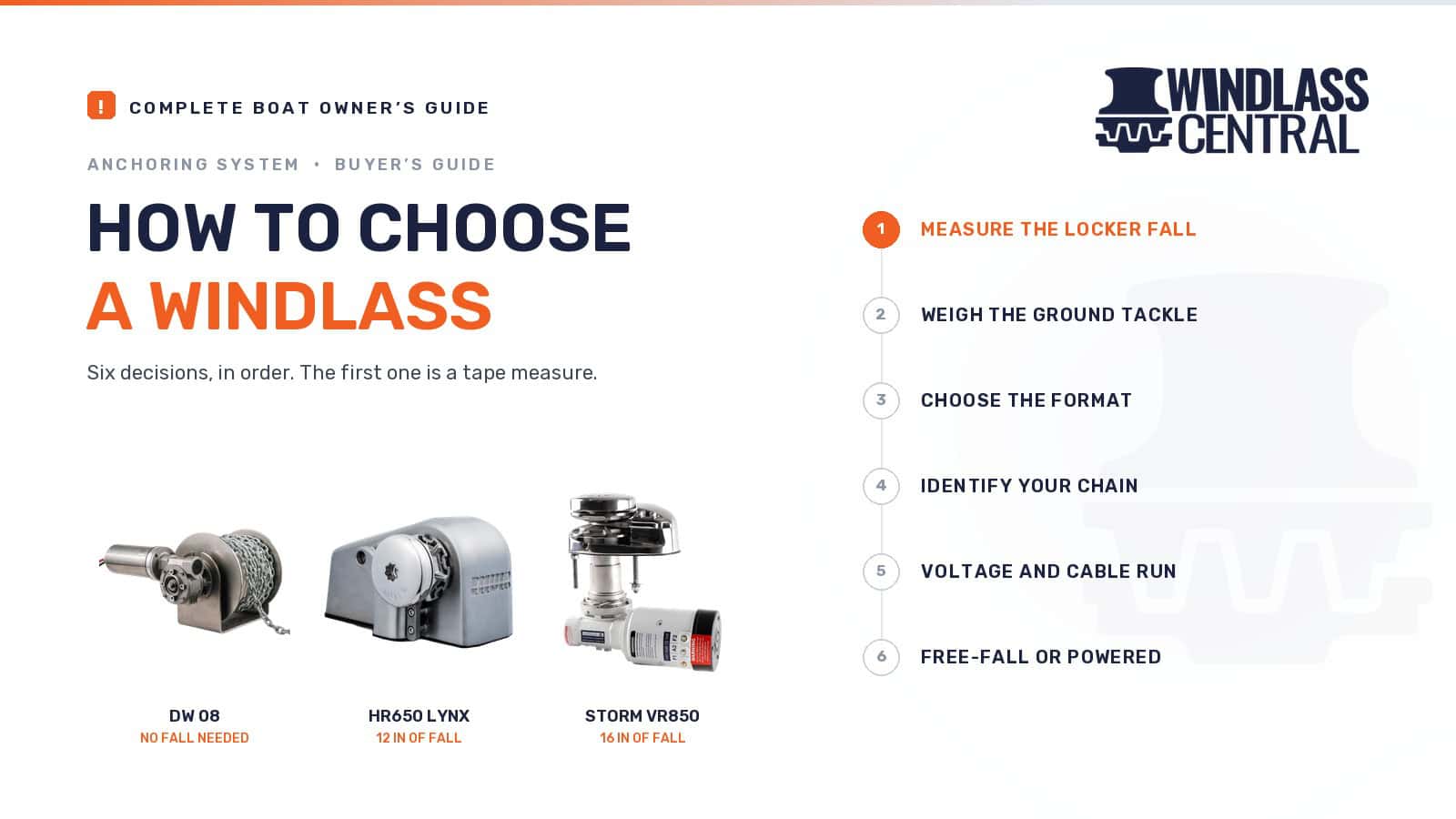
Boat length gets you into a bracket. It does not choose the winch. Six things do, and the first one is a tape measure in your anchor locker. Measure the fall before you look at a single price, because it rules out an entire format on its own.
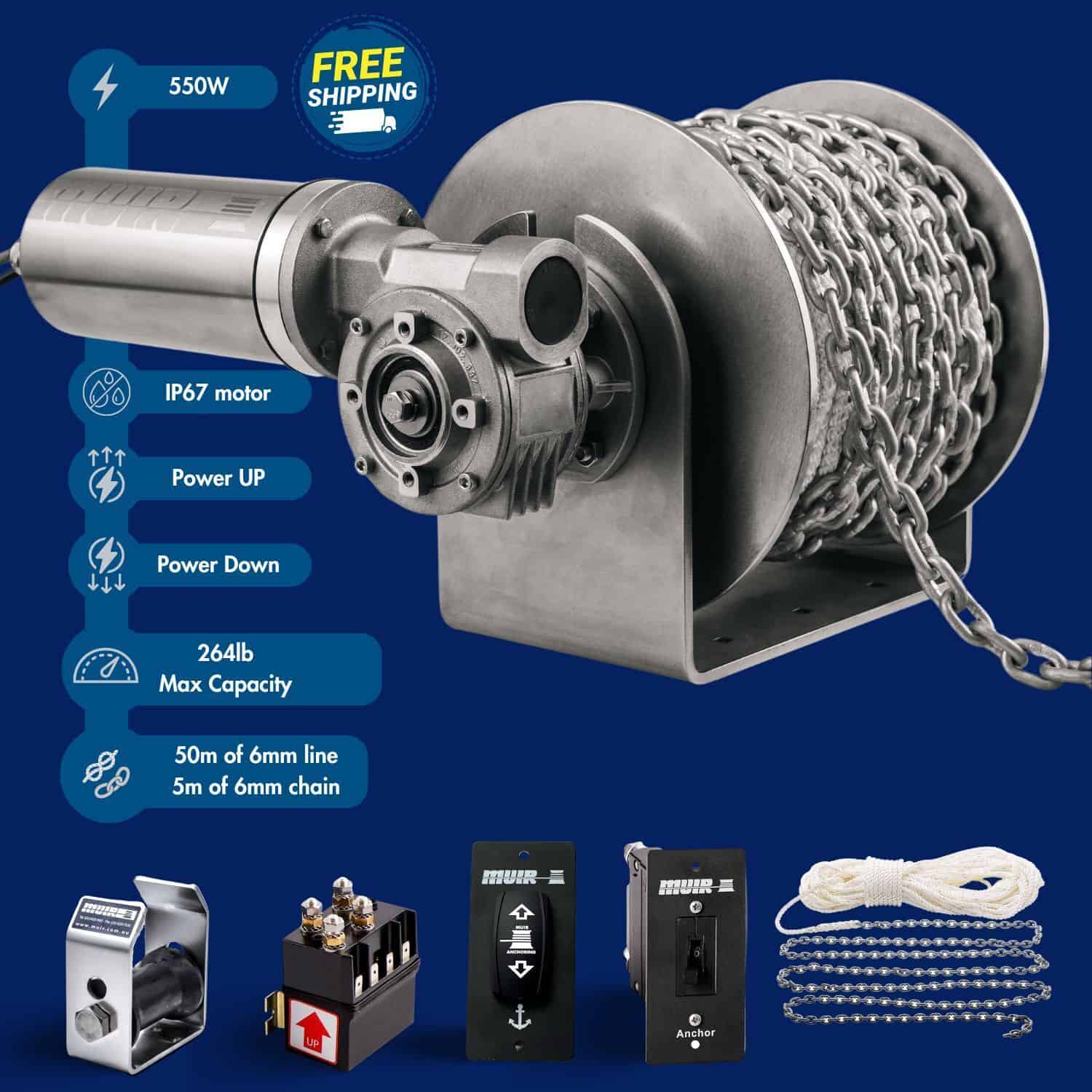
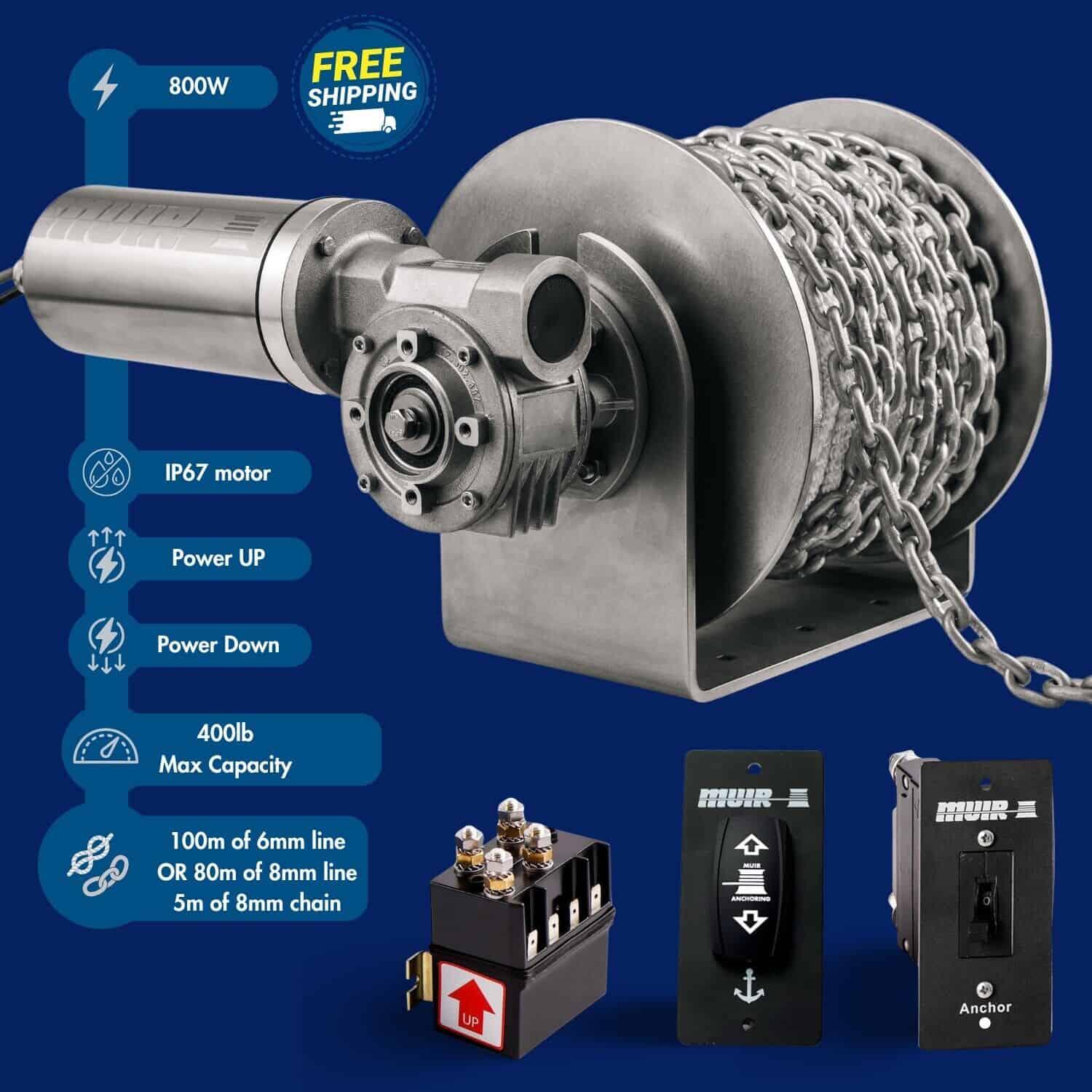
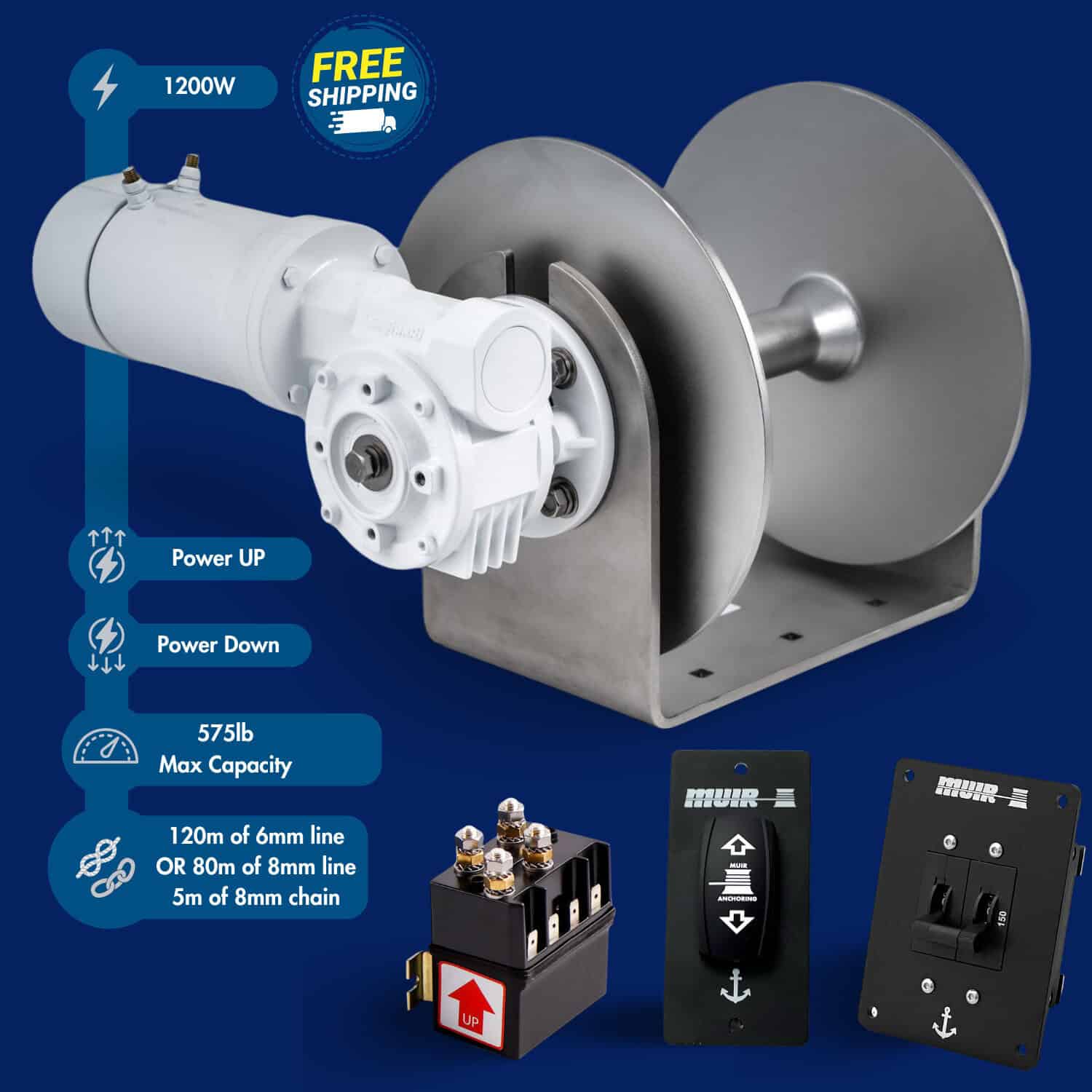
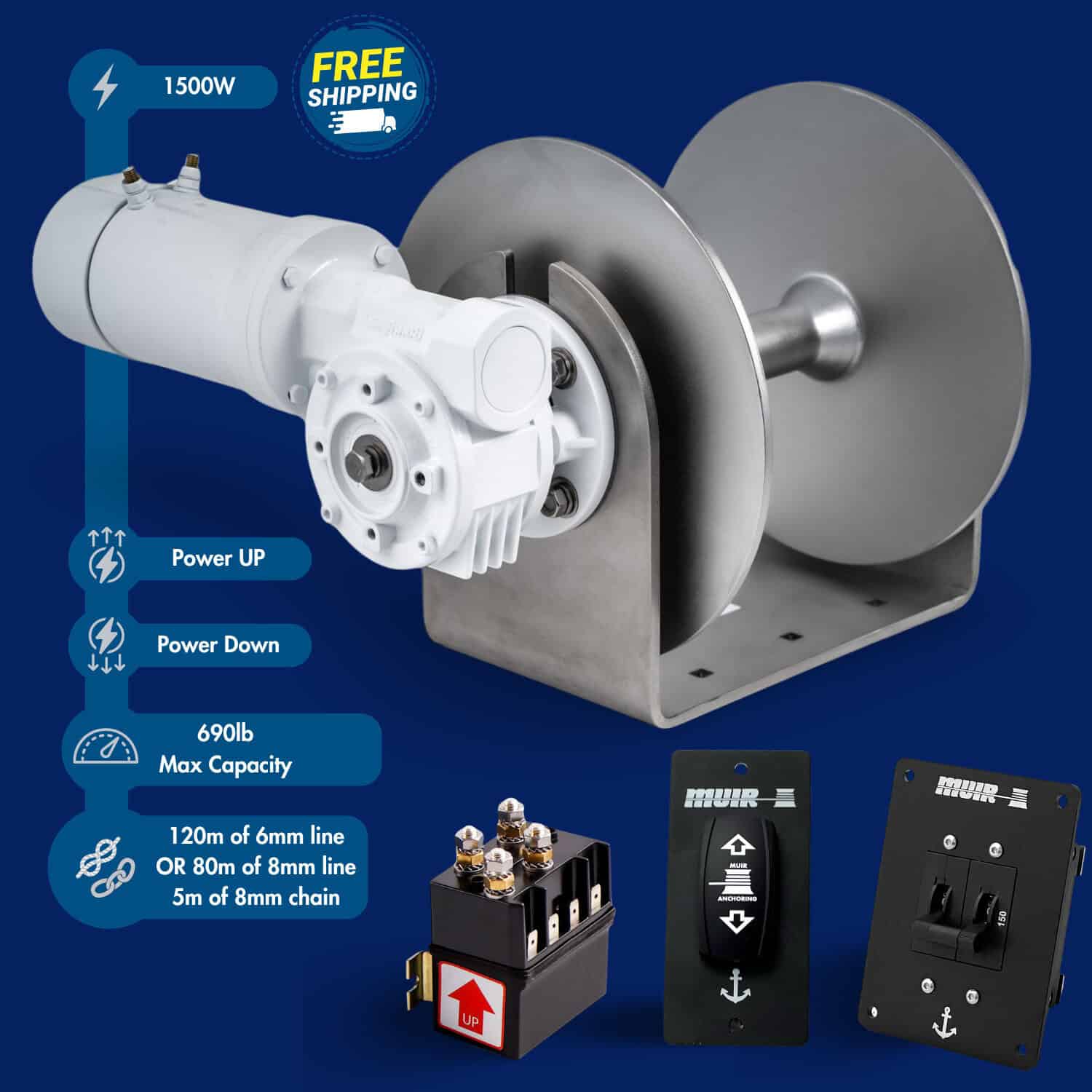
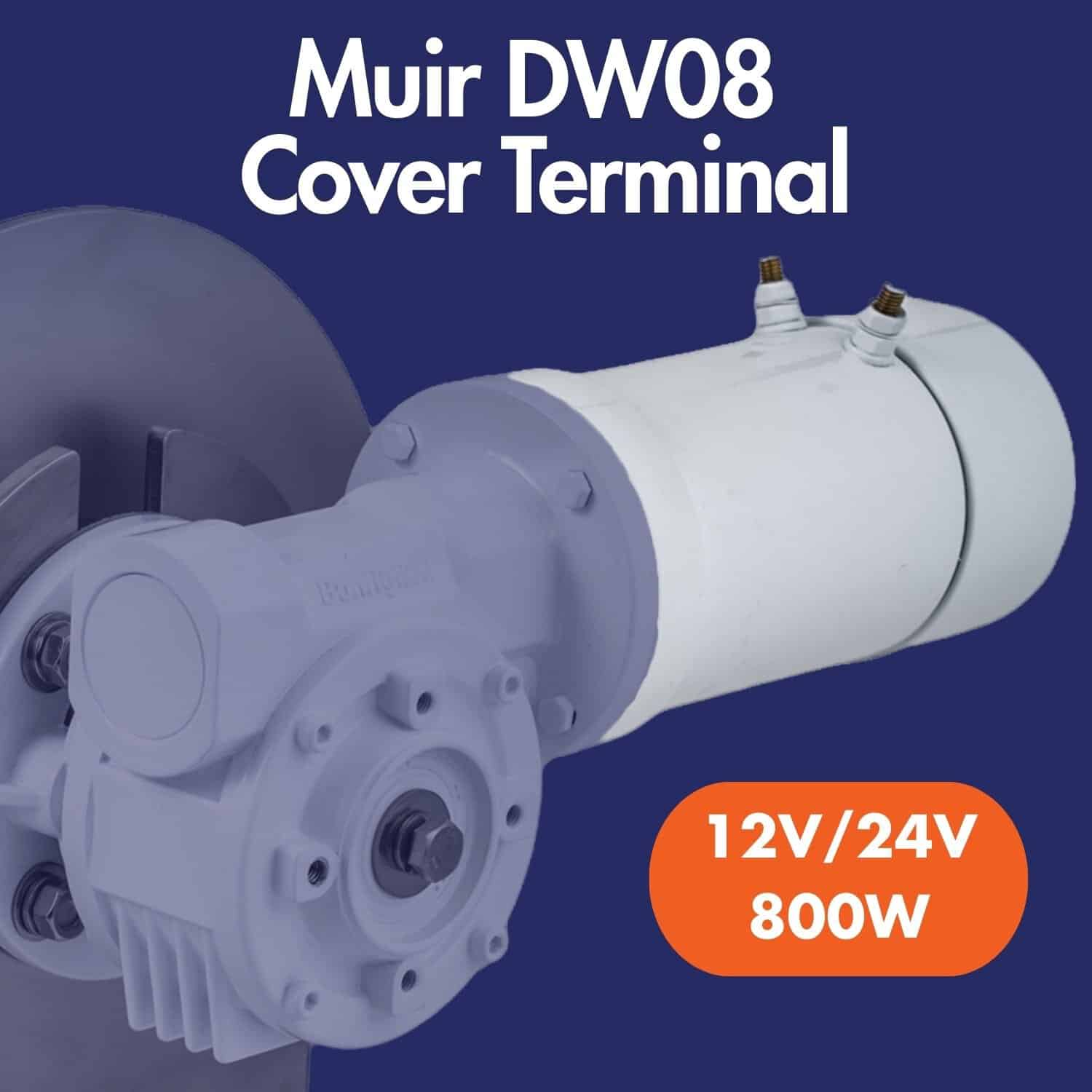
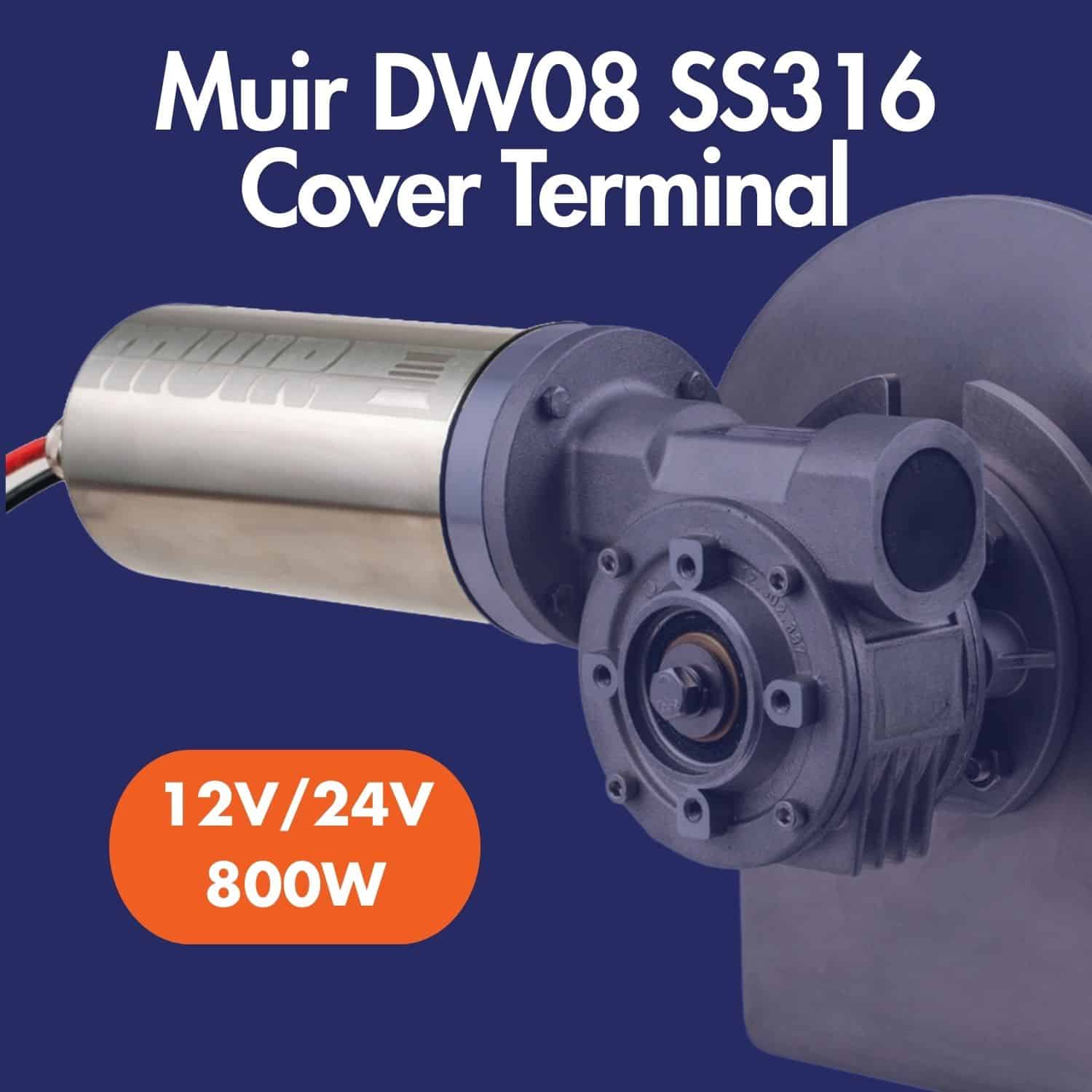
 No locker fall neededDW 08 drum winch$1,268.25
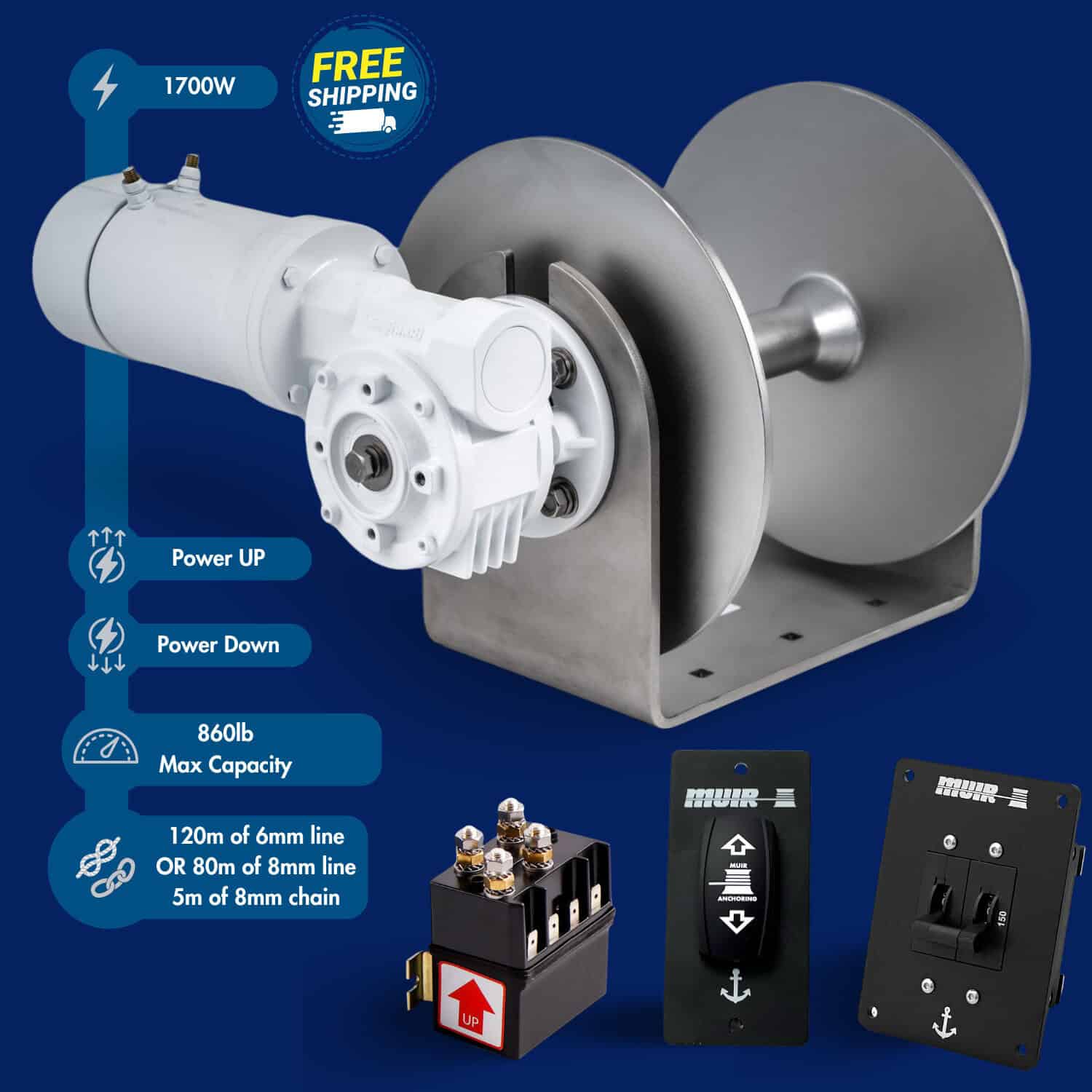
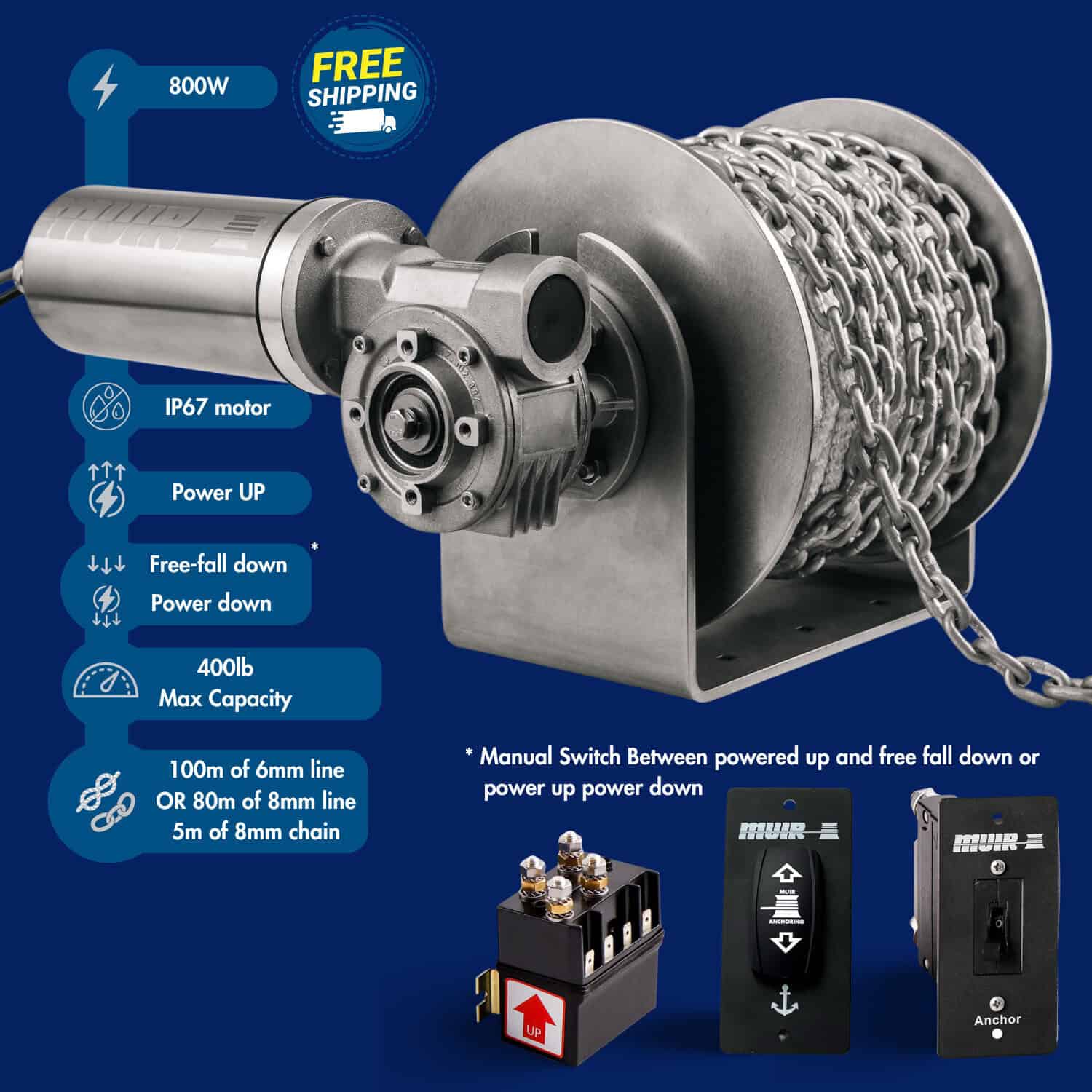
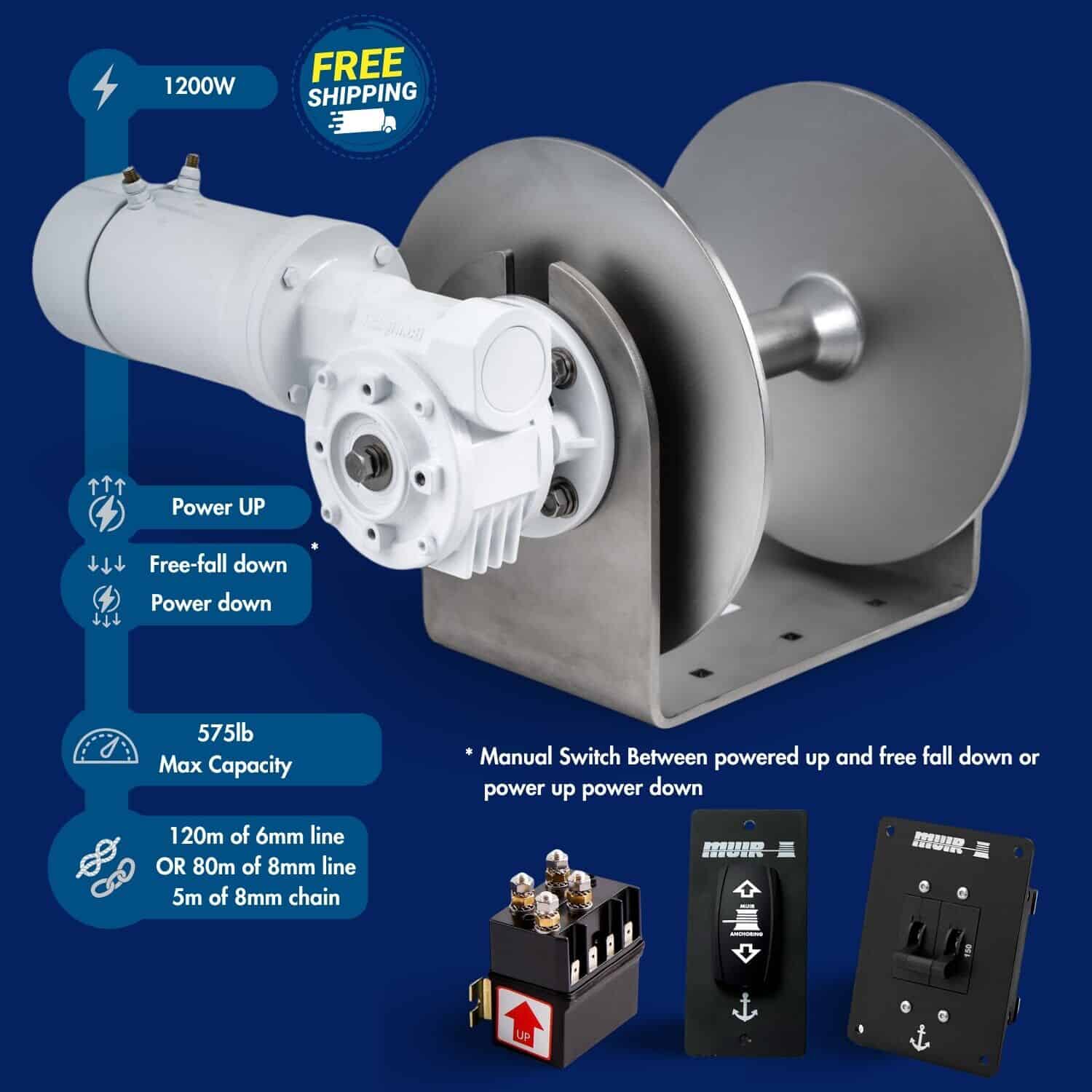
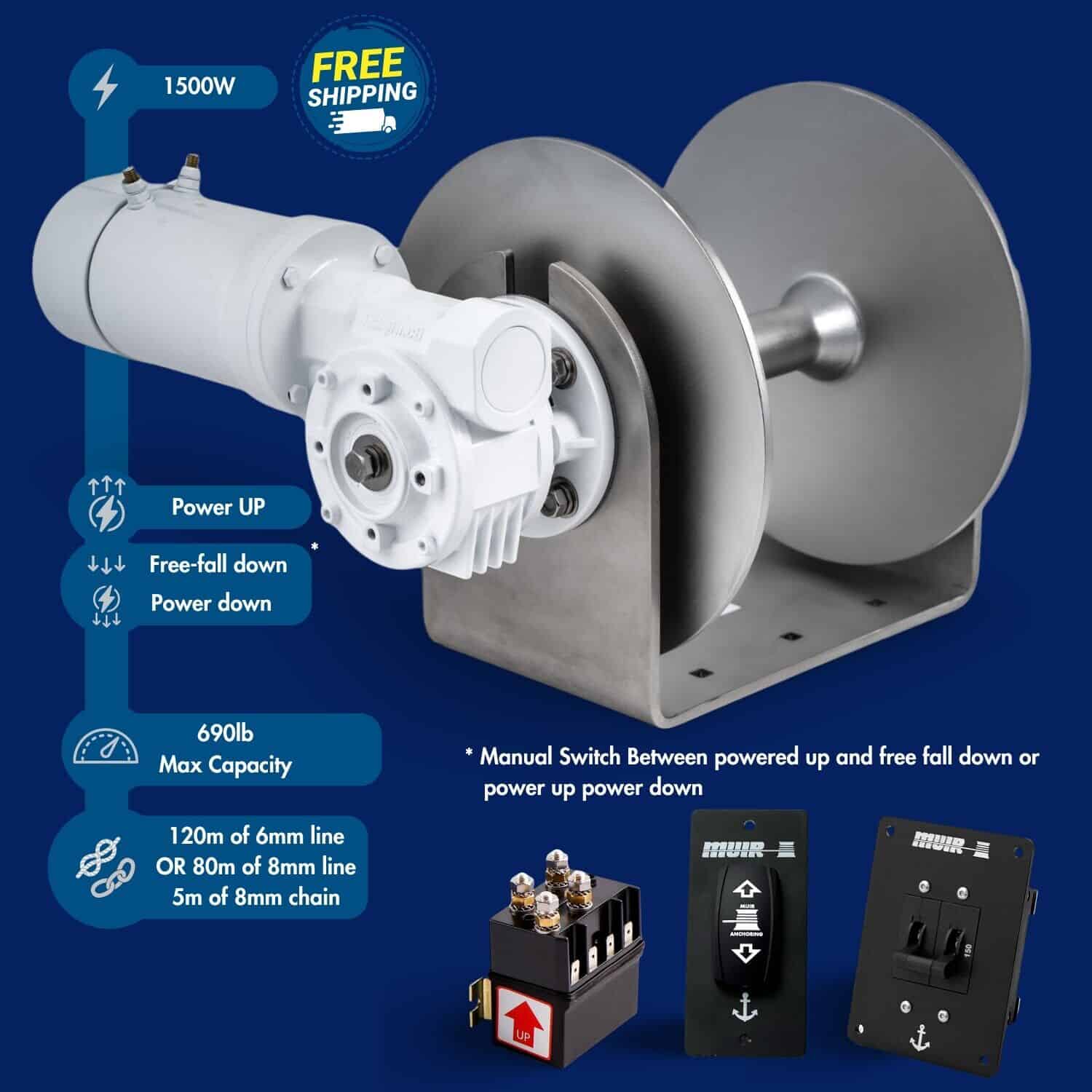
132 lb working load, rated to 26 ft. The whole rode winds onto the drum, so locker depth never enters into it.
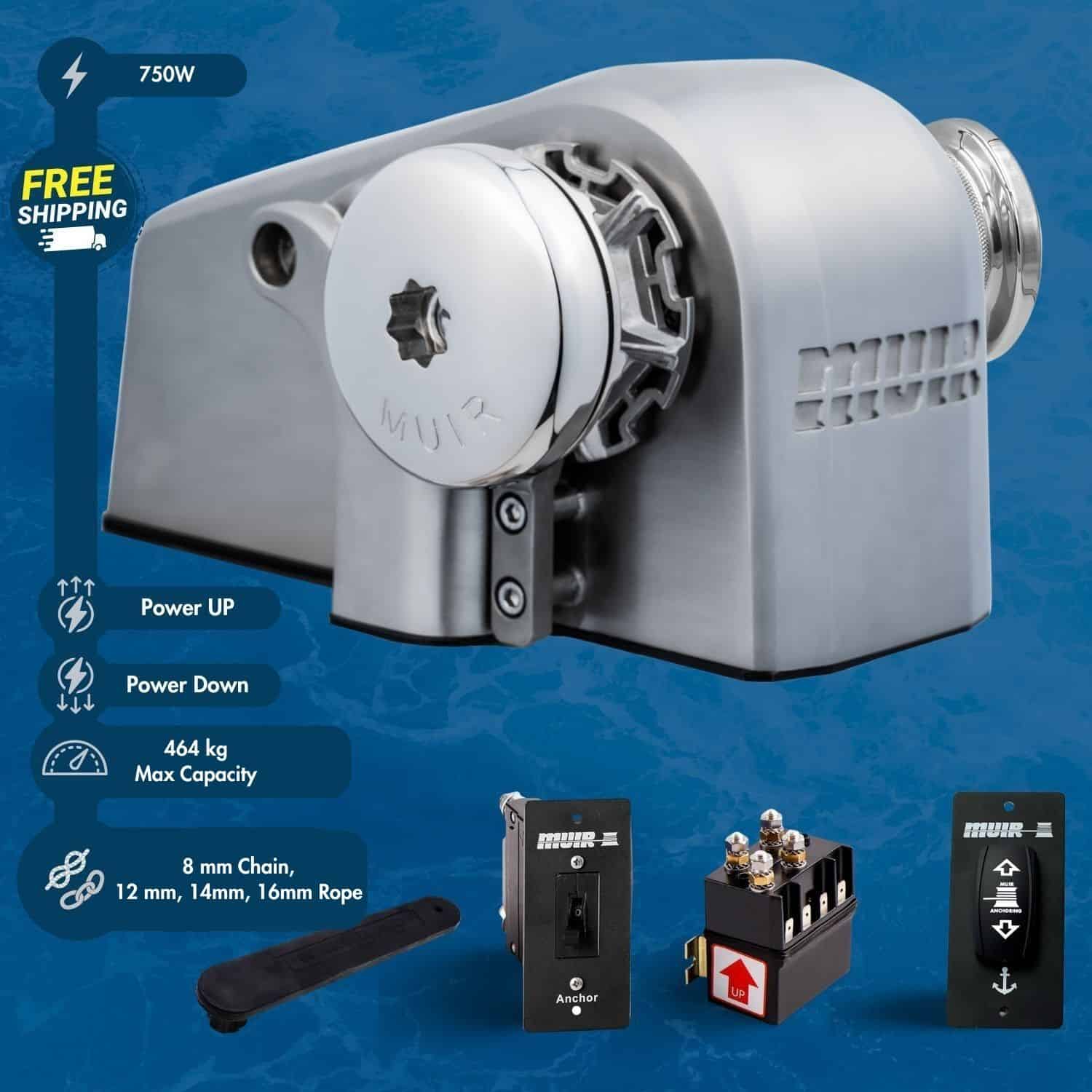
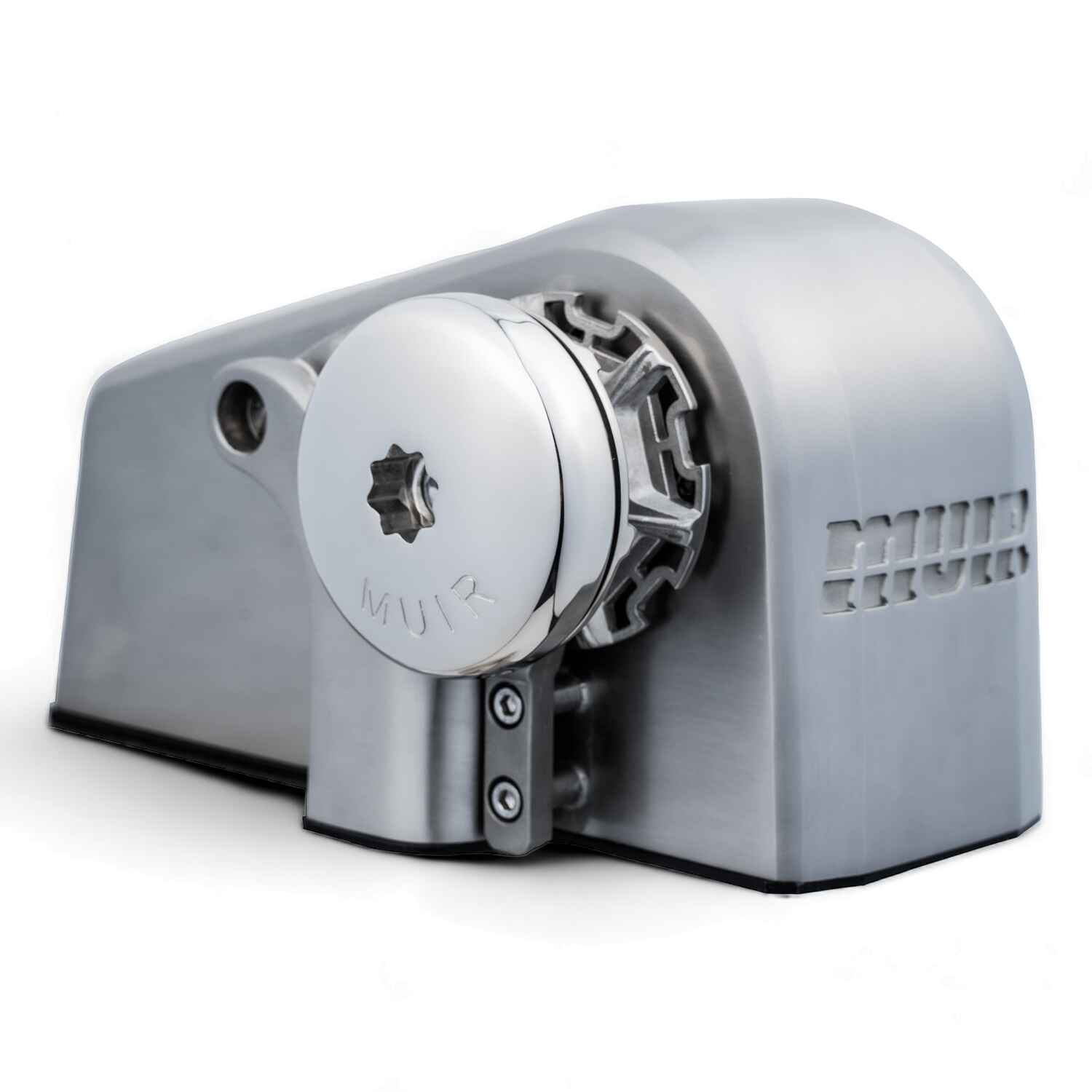 12 in of fallHR650 Lynx$1,679.20
271 lb working load, rated to 26 ft. Everything above deck, and it needs the least locker depth of any gypsy winch.
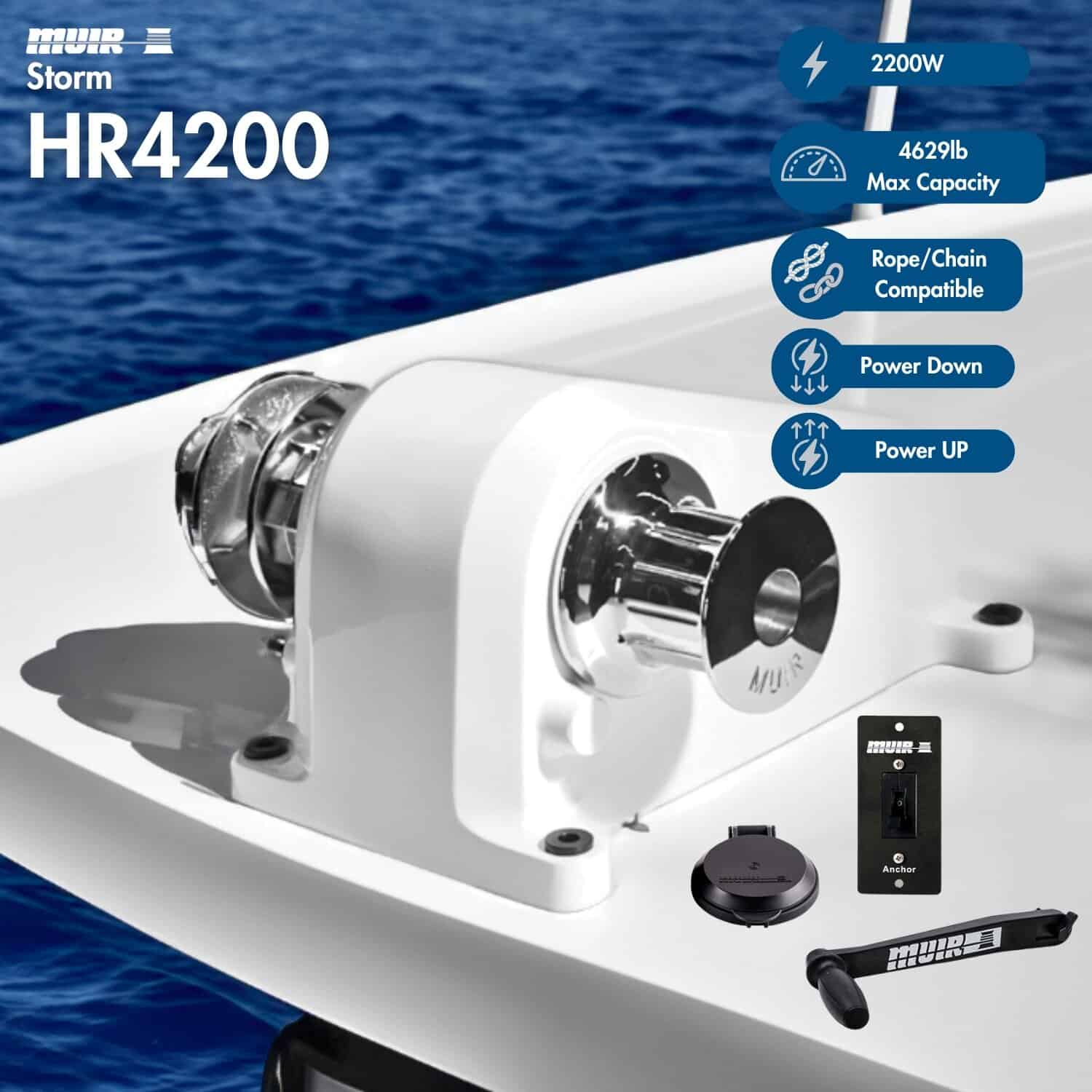
 16 in of fallStorm VR850$1,952.25
331 lb working load, rated to 36 ft. Motor below deck, the best chain grip of the three, and the cleanest foredeck.
Those three are the entry point in each format, not the answer for every boat. The full range table further down gives working load, rated length and price for everything we stock.
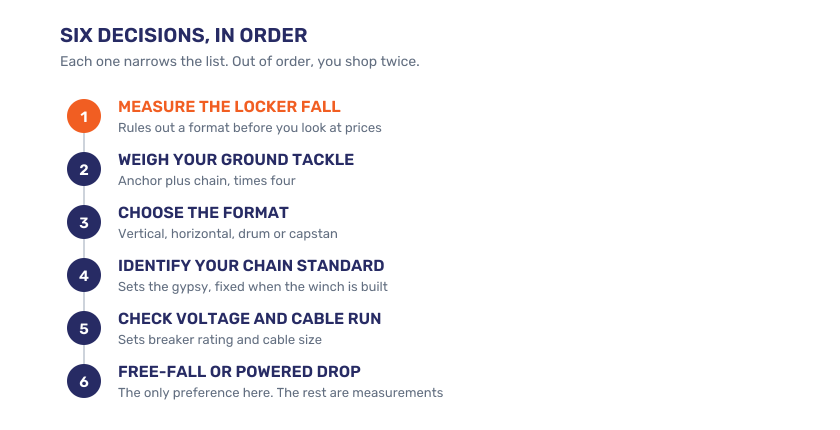
1. Measure the locker fall before you look at prices
Fall is the drop from the underside of the gypsy to the top of the piled chain. It is the one measurement that eliminates products rather than ranking them, so it belongs first.
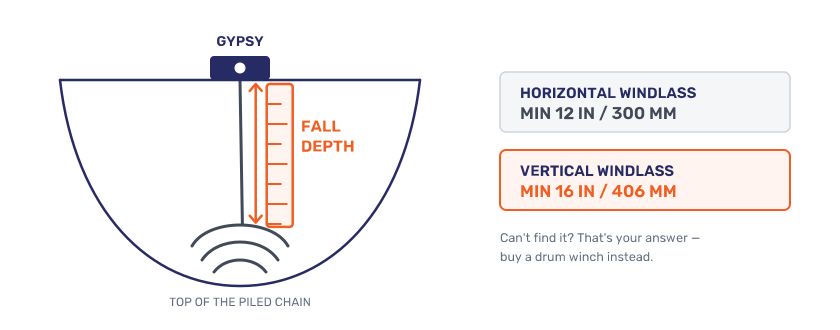
- Under 12 in (300 mm): no gypsy winch will work. You want a drum winch, and that is a good outcome, not a consolation prize.
- 12 to 16 in (300 to 406 mm): horizontal only.
- 16 in (406 mm) or more: vertical or horizontal, and now the other five decisions matter.
If you are fitting a vertical, measure the second clearance too. The motor and gearbox hang below deck, and on a Storm VR600 that assembly is 6.8 in (173 mm) deep by Muir’s catalogue drawing. Muir’s own rule of thumb rounds it to 6 in. Use the drawing figure, because the gap between the two is exactly the size that turns an install into a return.
2. Size on your ground tackle, not your boat length
A 40 ft catamaran on all chain and a 40 ft sportfisher on rope are not asking the same thing of a winch. Weigh what the winch actually lifts.
Lewmar’s rule, and it is the sensible one: the windlass should be rated to at least four times the combined weight of anchor and rode. Worked for a typical 35-footer carrying a 20 kg Delta and 200 ft of 8 mm DIN 766 chain at 1.4 kg per metre:
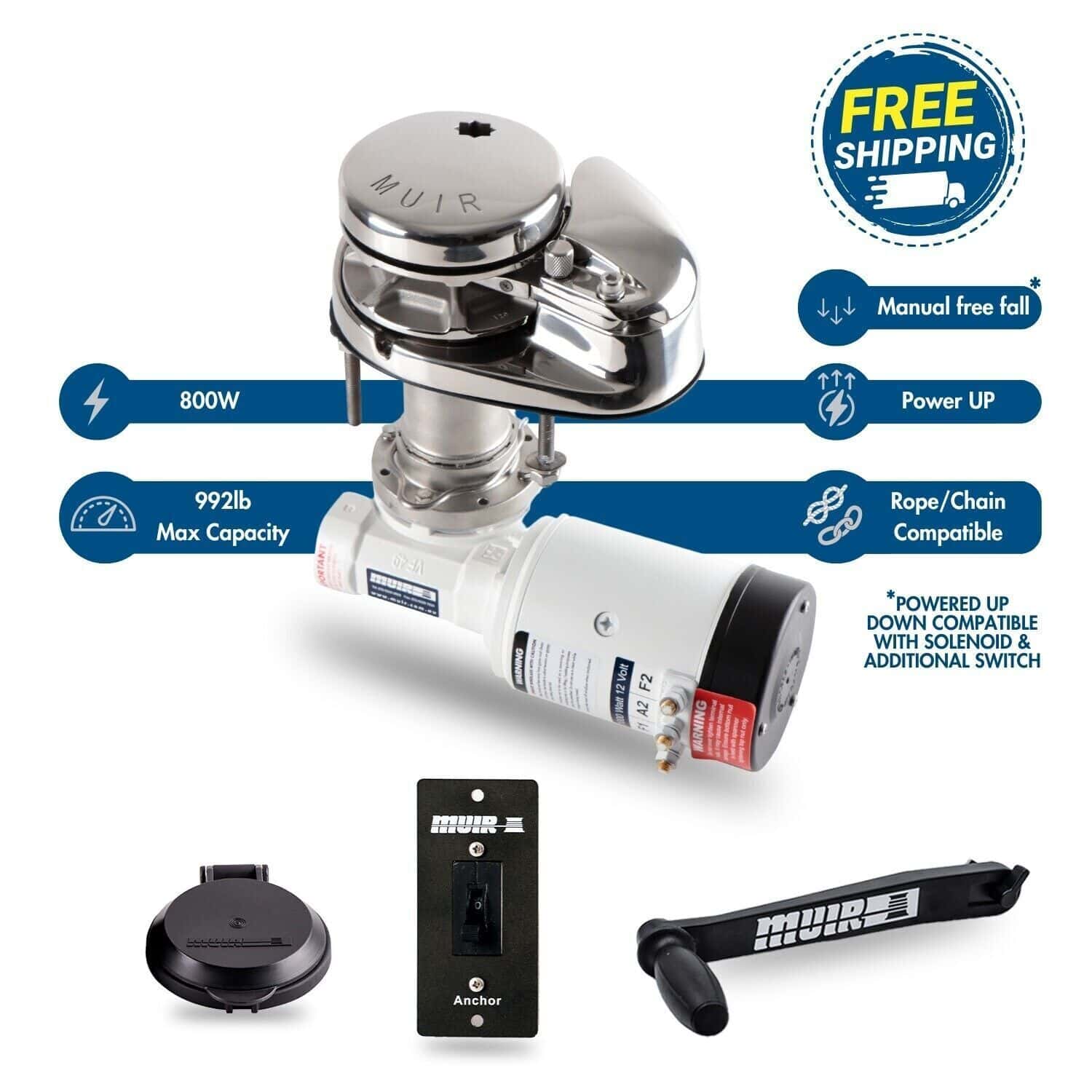
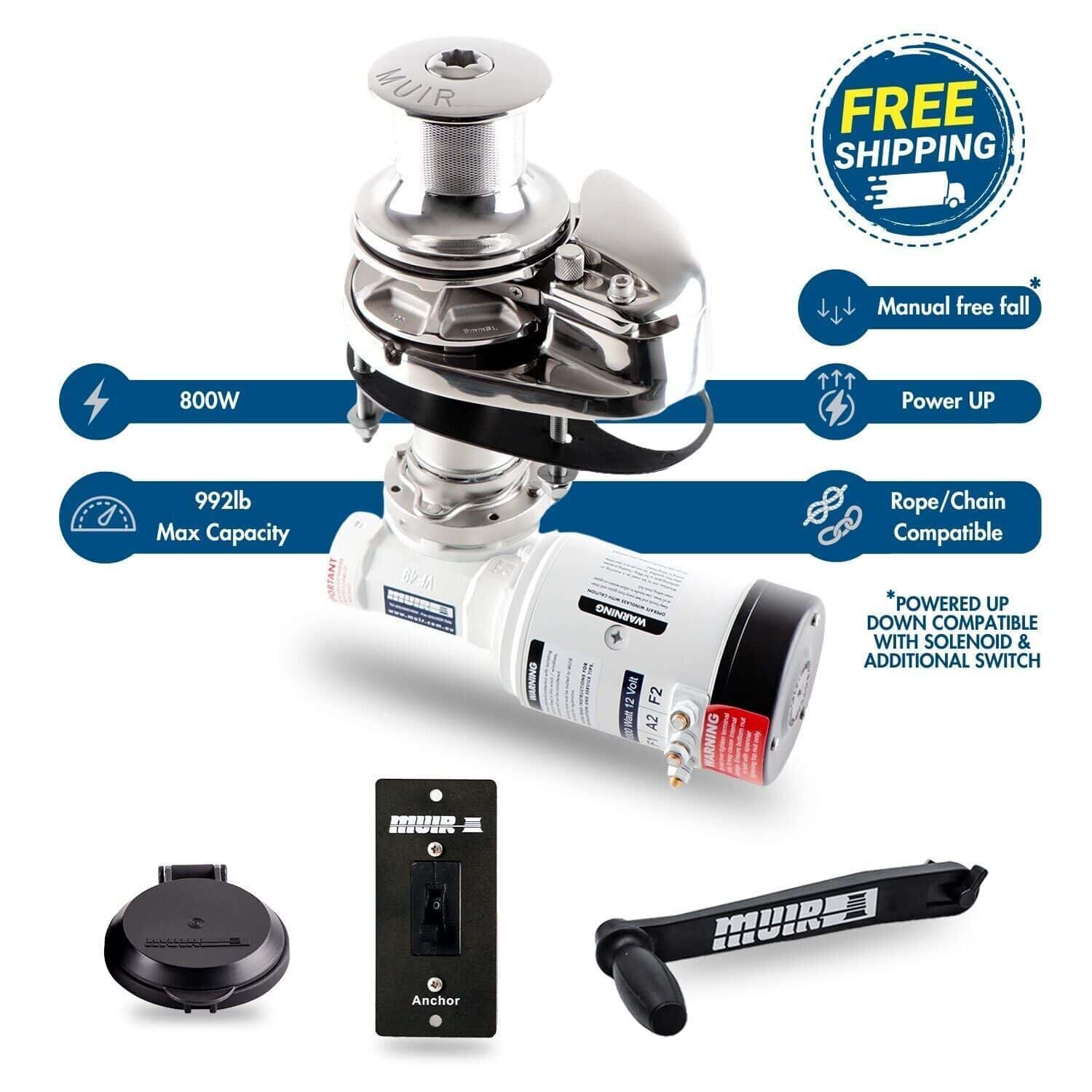
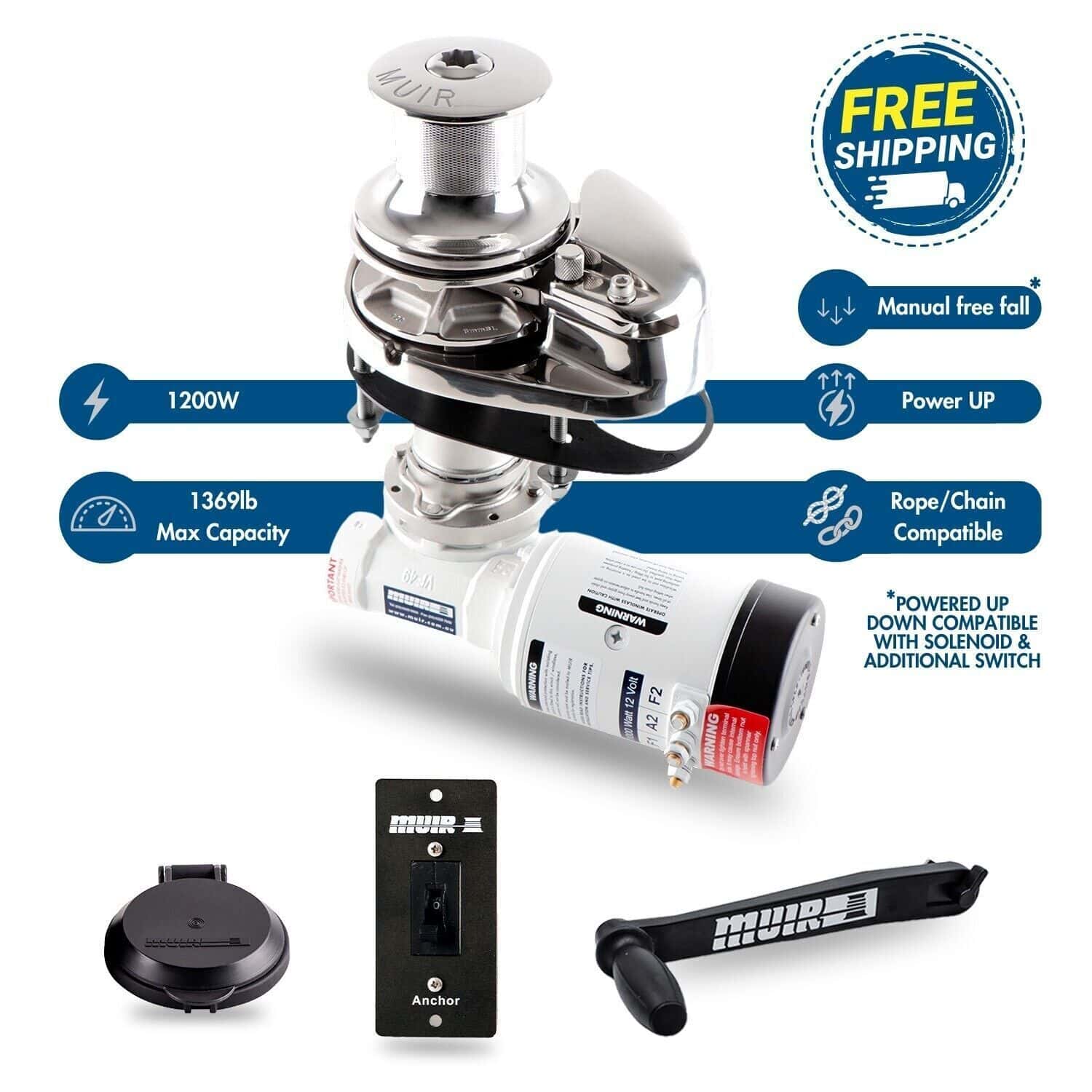
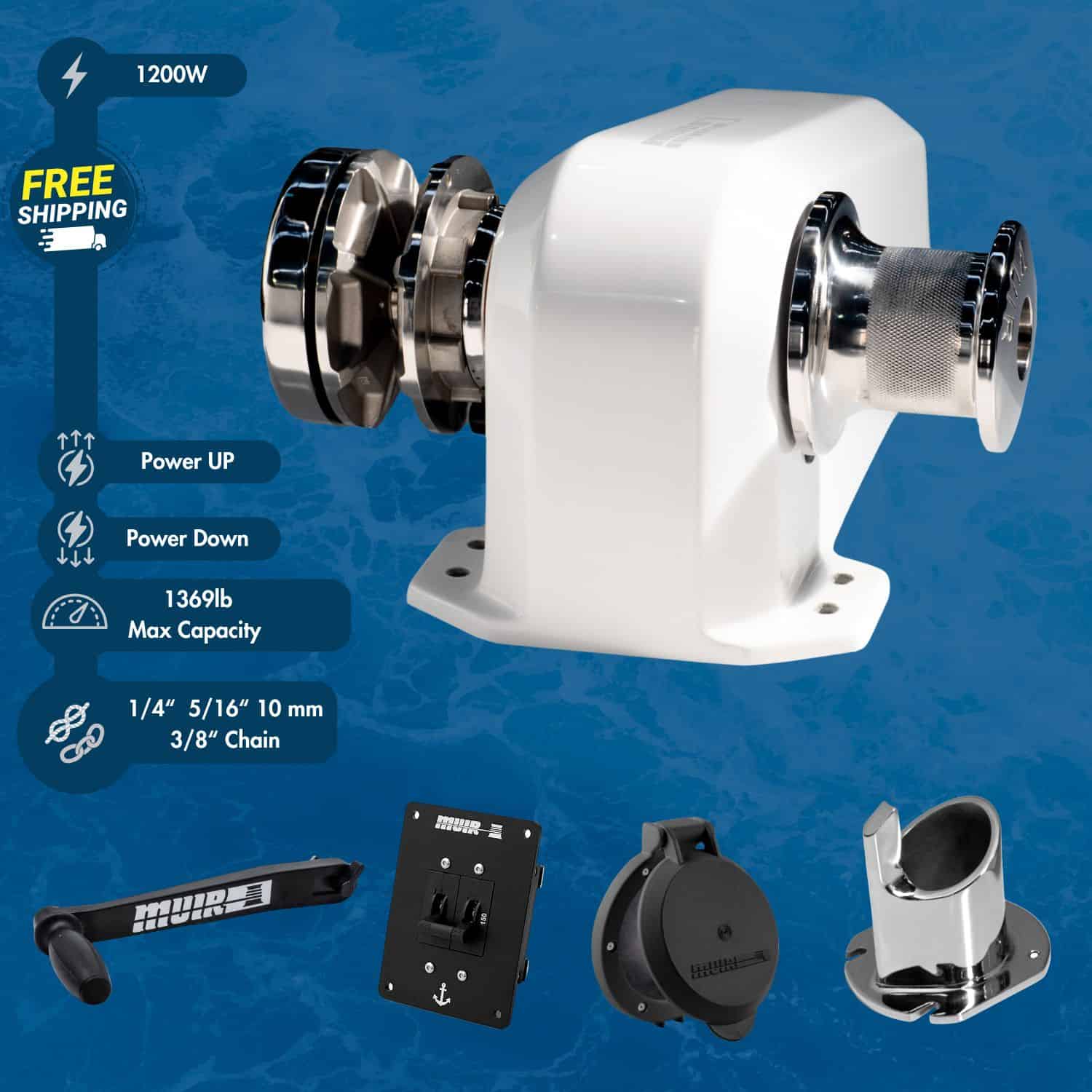
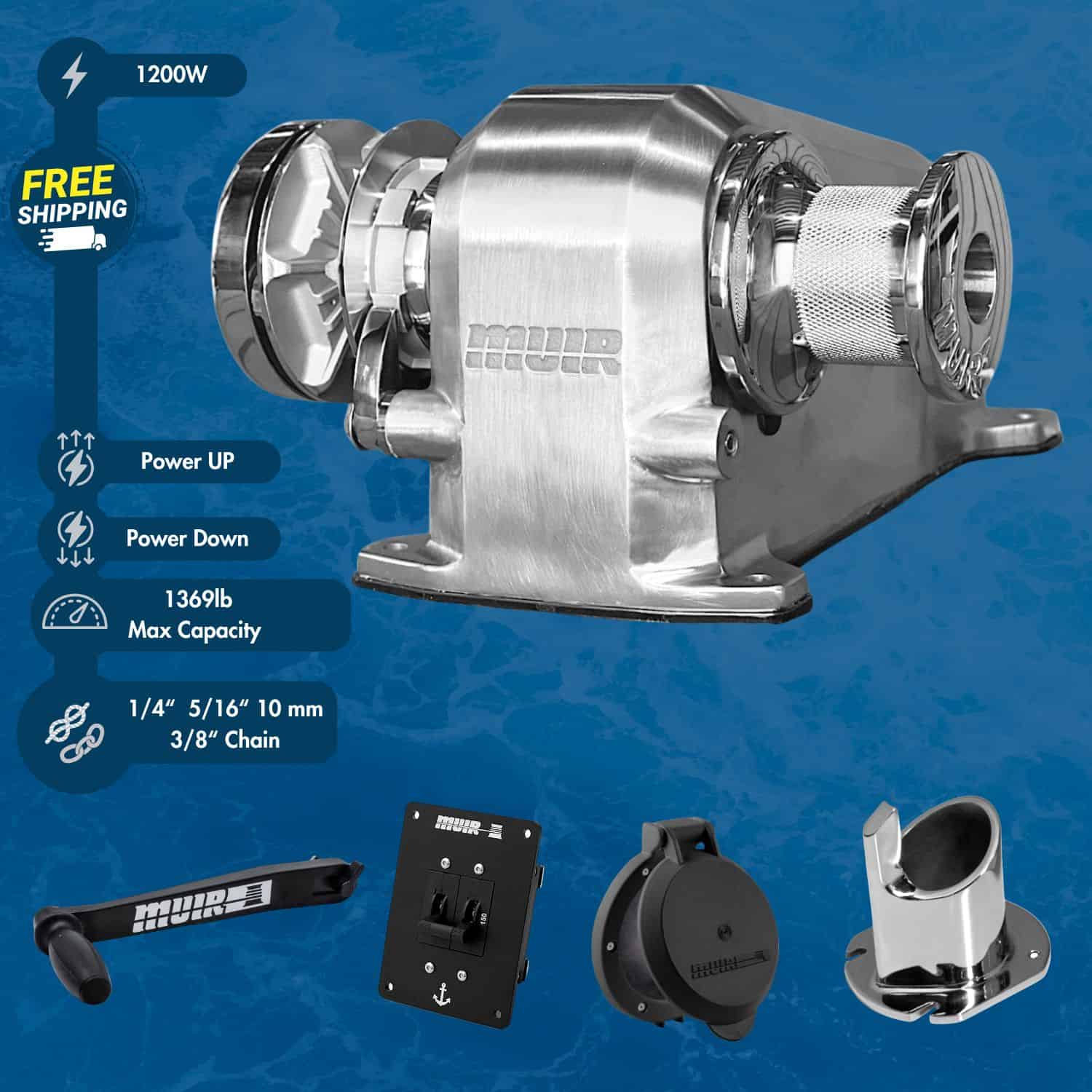
The Storm VR850 carries 992 lb, so it clears that figure by about seven percent. Which is legal, and thin. Add fifty feet of chain or a heavier anchor next season and you are over the line, so the VR1250 or the HR1600 Cougar at 1,369 lb is the buy most owners are happier with a year later.
Two different numbers, both called three times
Both get called three times something, and they have nothing to do with each other. The sizing rule above multiplies your ground tackle. Muir’s published maximum is a different three: every model’s max pull is simply three times its own working load, calculated rather than measured.
So compare models on working load. That is what the winch will hold, hour after hour, while the chain comes up.
3. Choose the format
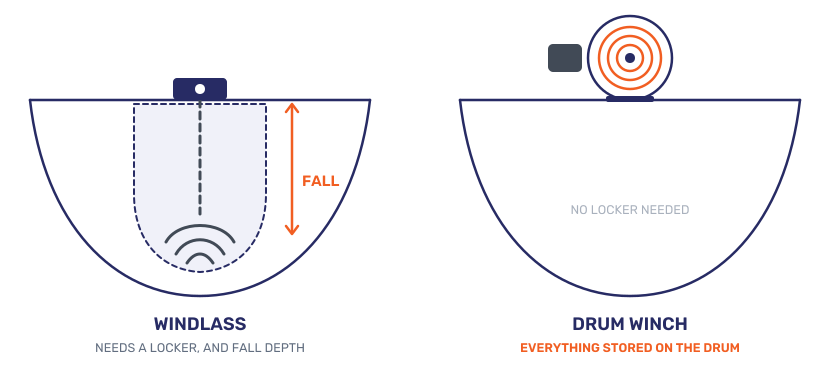
Four shapes, and by this point the first two decisions have narrowed it to one or two.
Vertical (Storm VR and VRC)
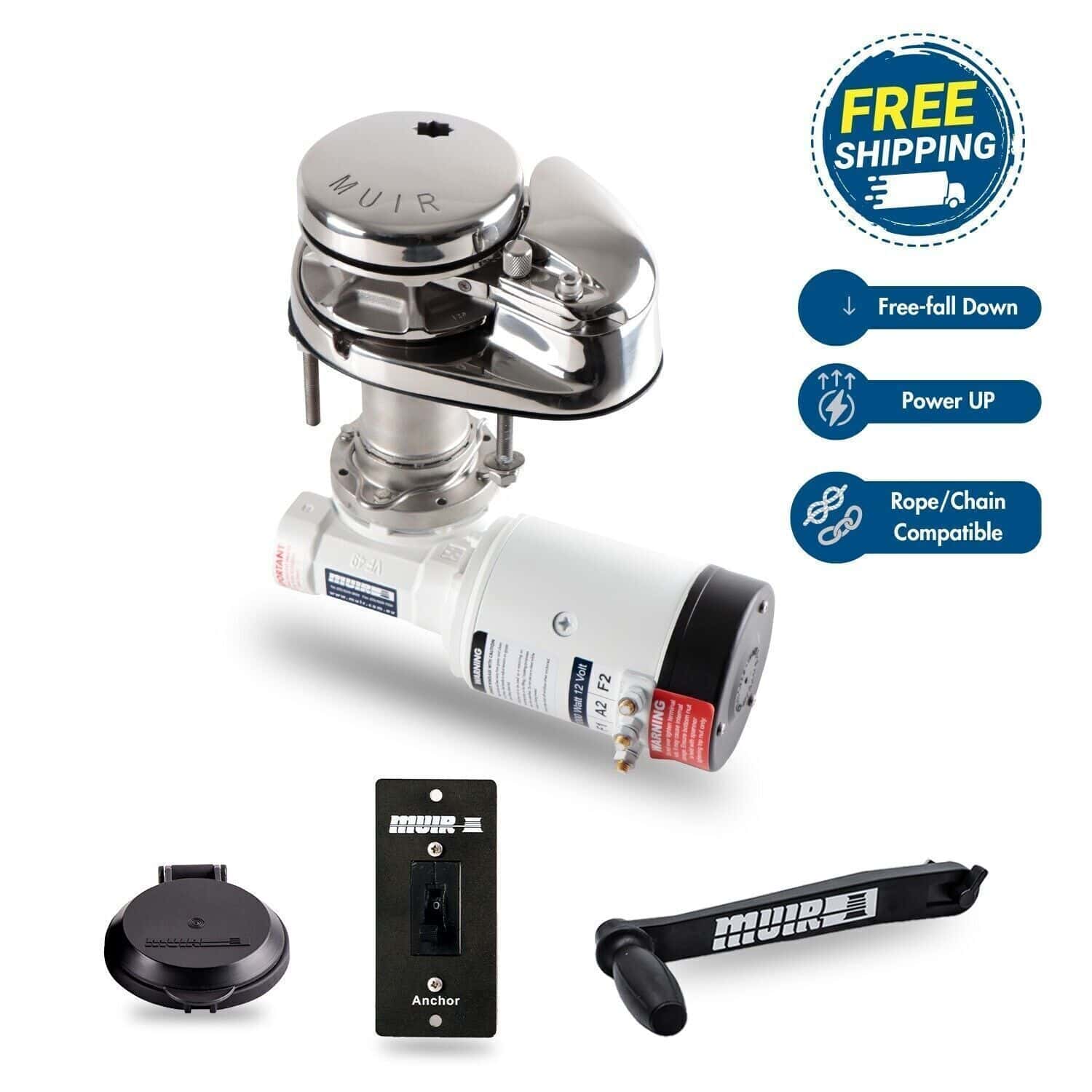
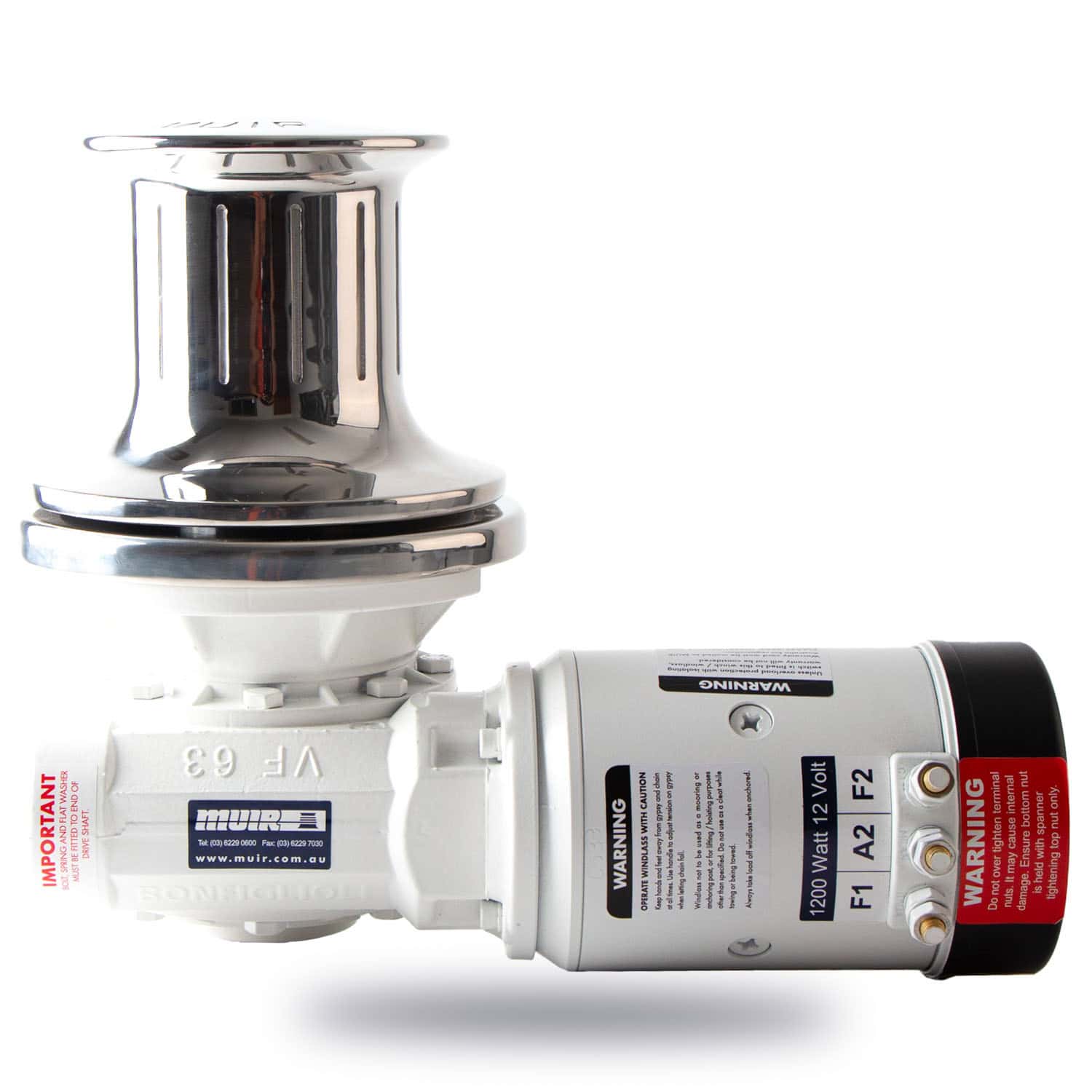
Motor and gearbox below deck, gypsy above. The chain wraps roughly 180 degrees around the gypsy, so grip is better than a horizontal, and it takes the rode from a wide range of angles. The cost is the 16 in of fall and a motor living in a damp locker.
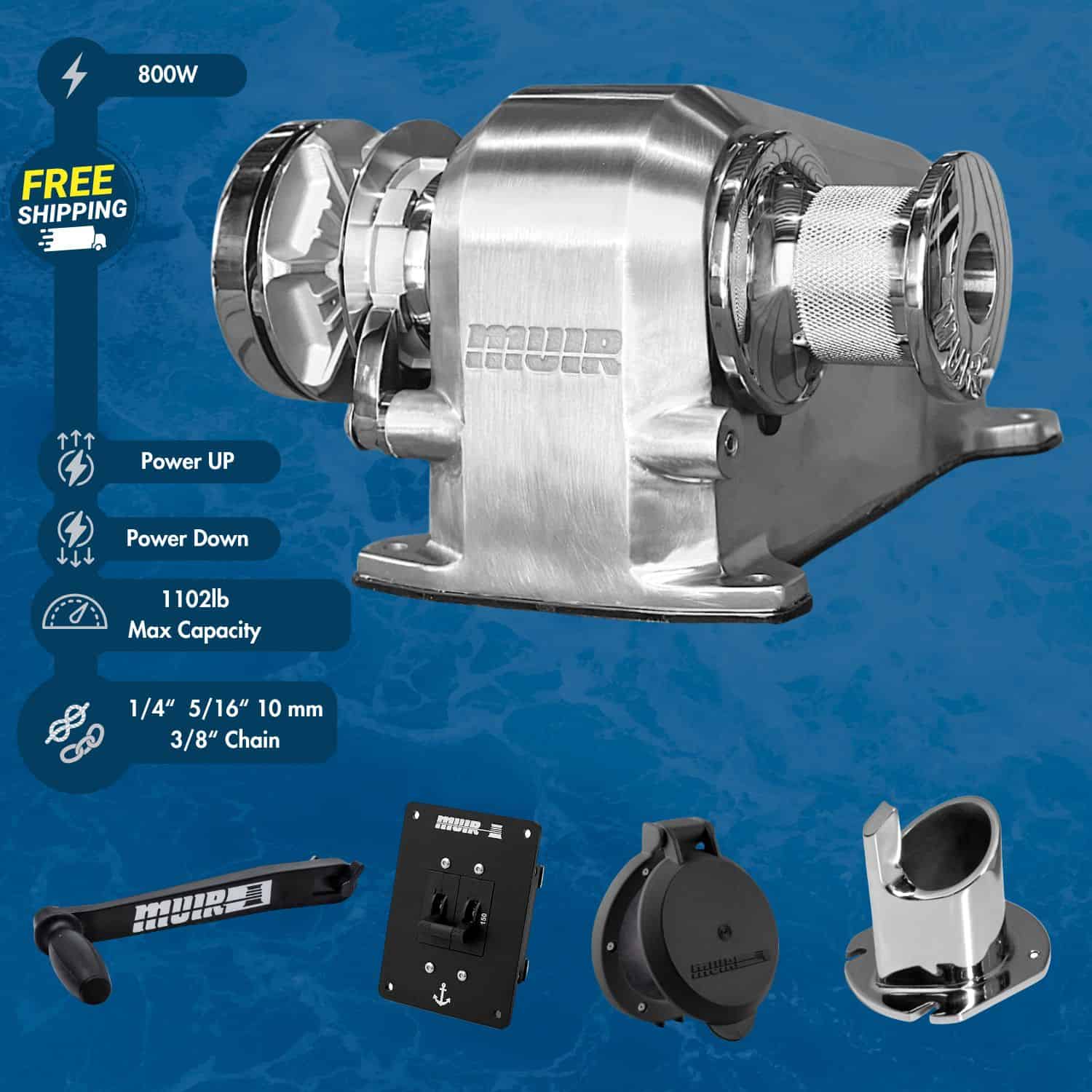
Horizontal (HR Lynx, Cougar, Cheetah, Jaguar, Thor)
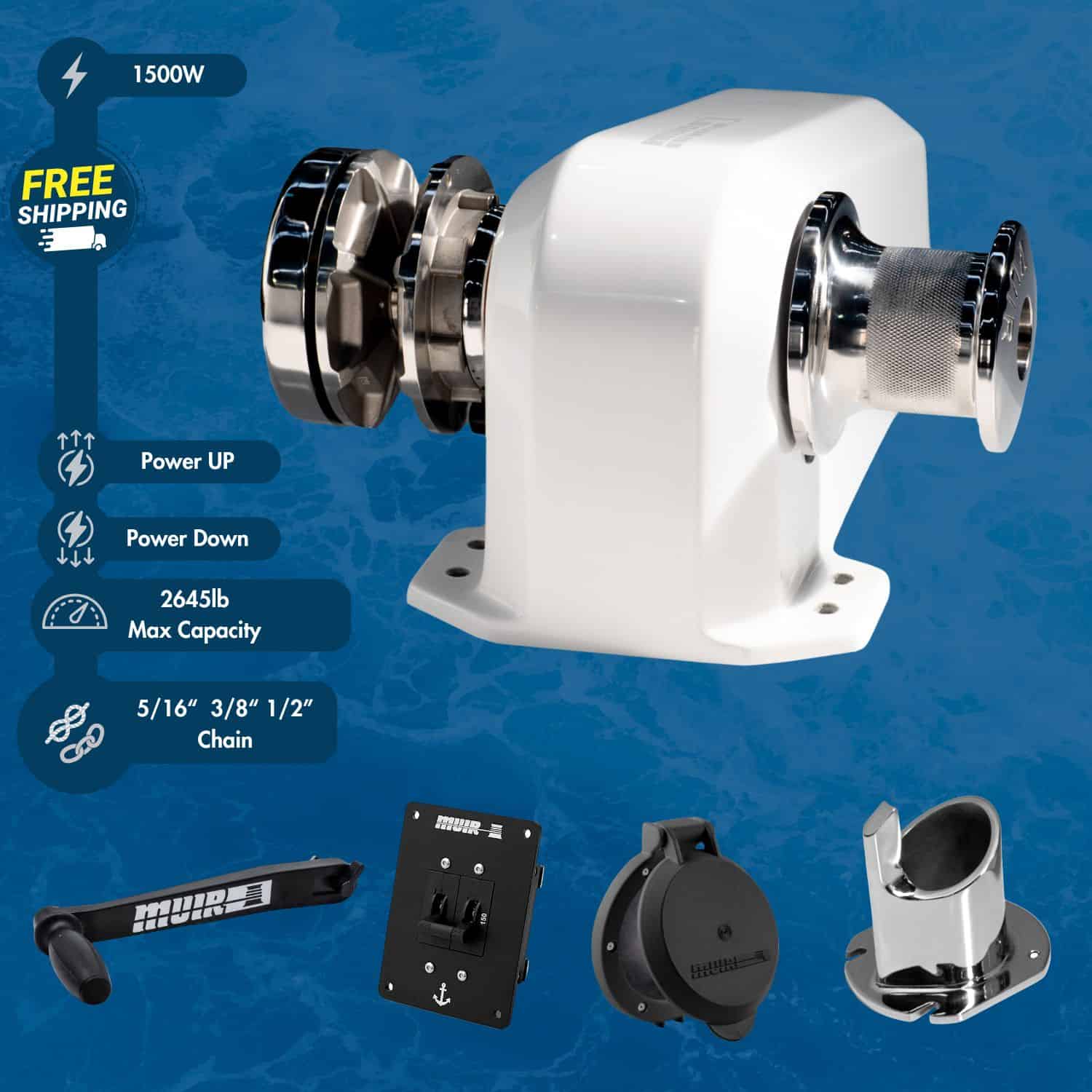
Everything above deck. Needs only 12 in of fall, is the easiest format to install and service, and the Cougar and up include a manual override. In exchange the chain turns only about 90 degrees over the gypsy, grip is lower, and the unit has to line up accurately with the bow roller.
Drum winch (DW and DFF)
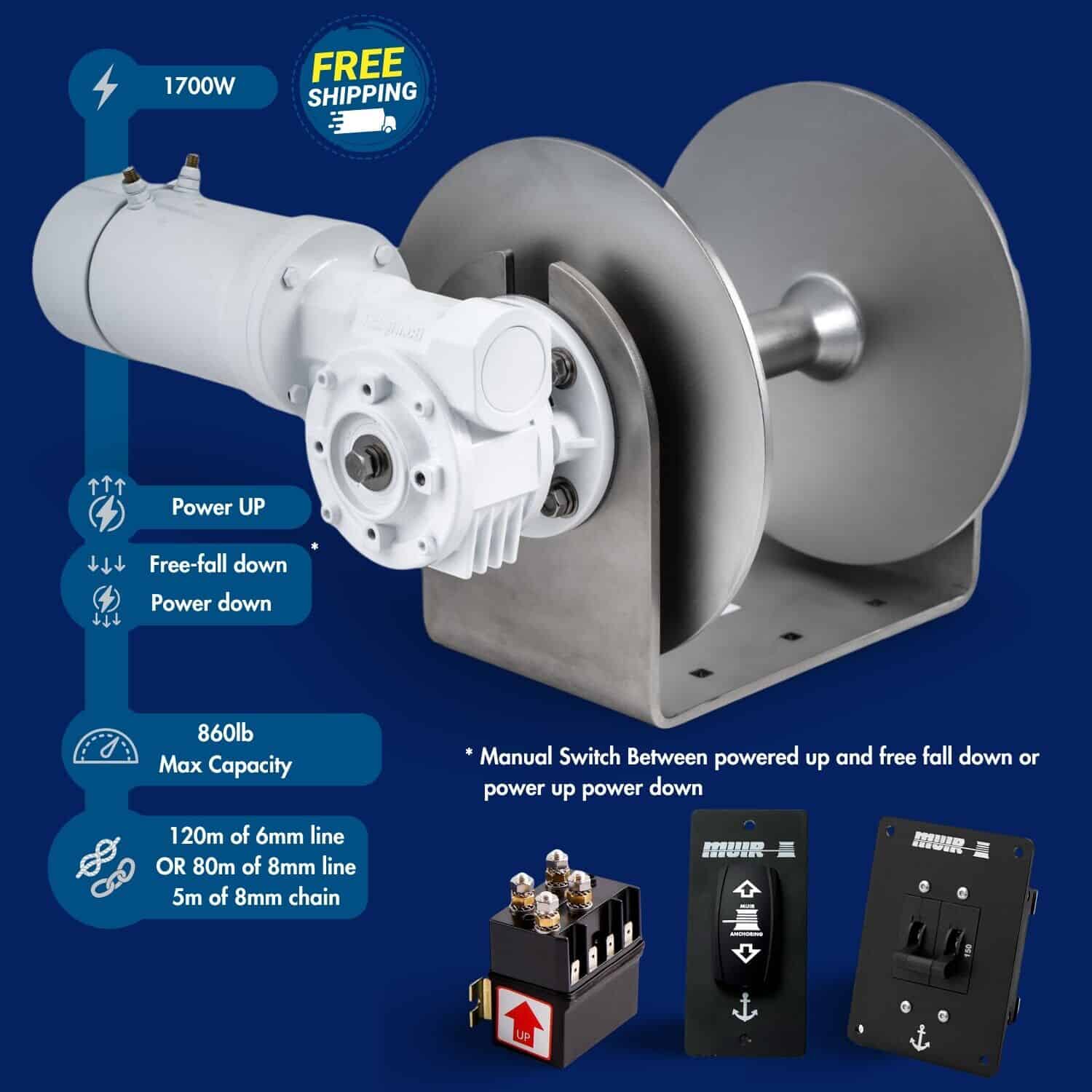
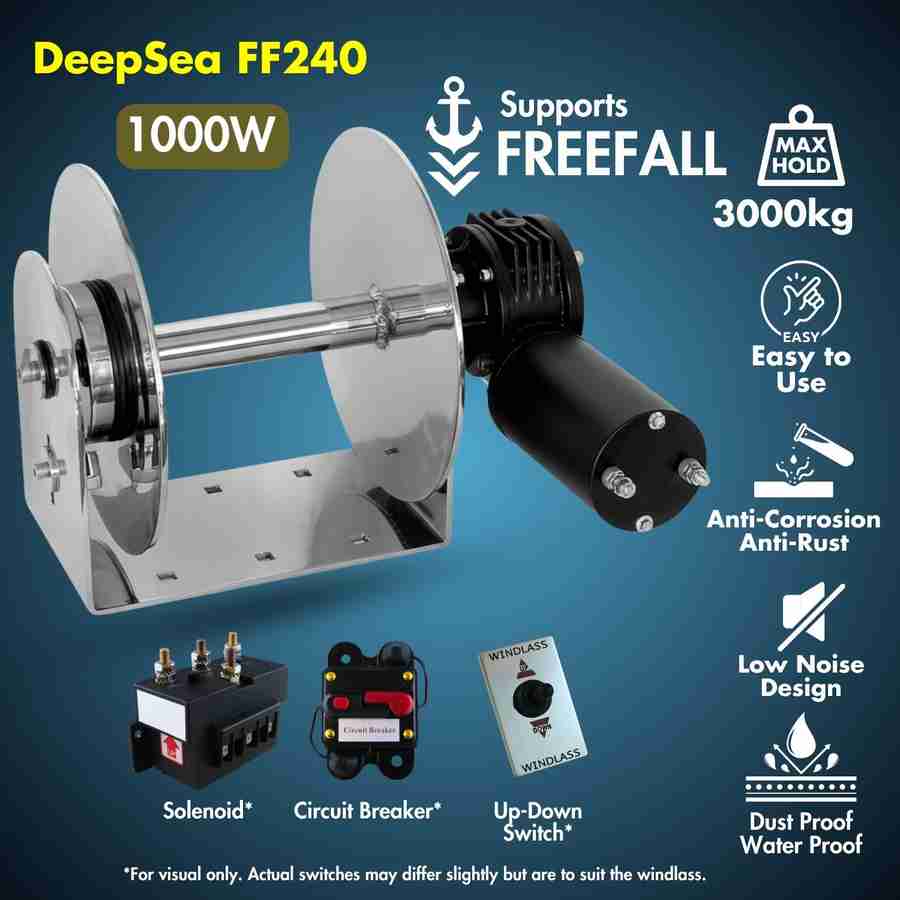
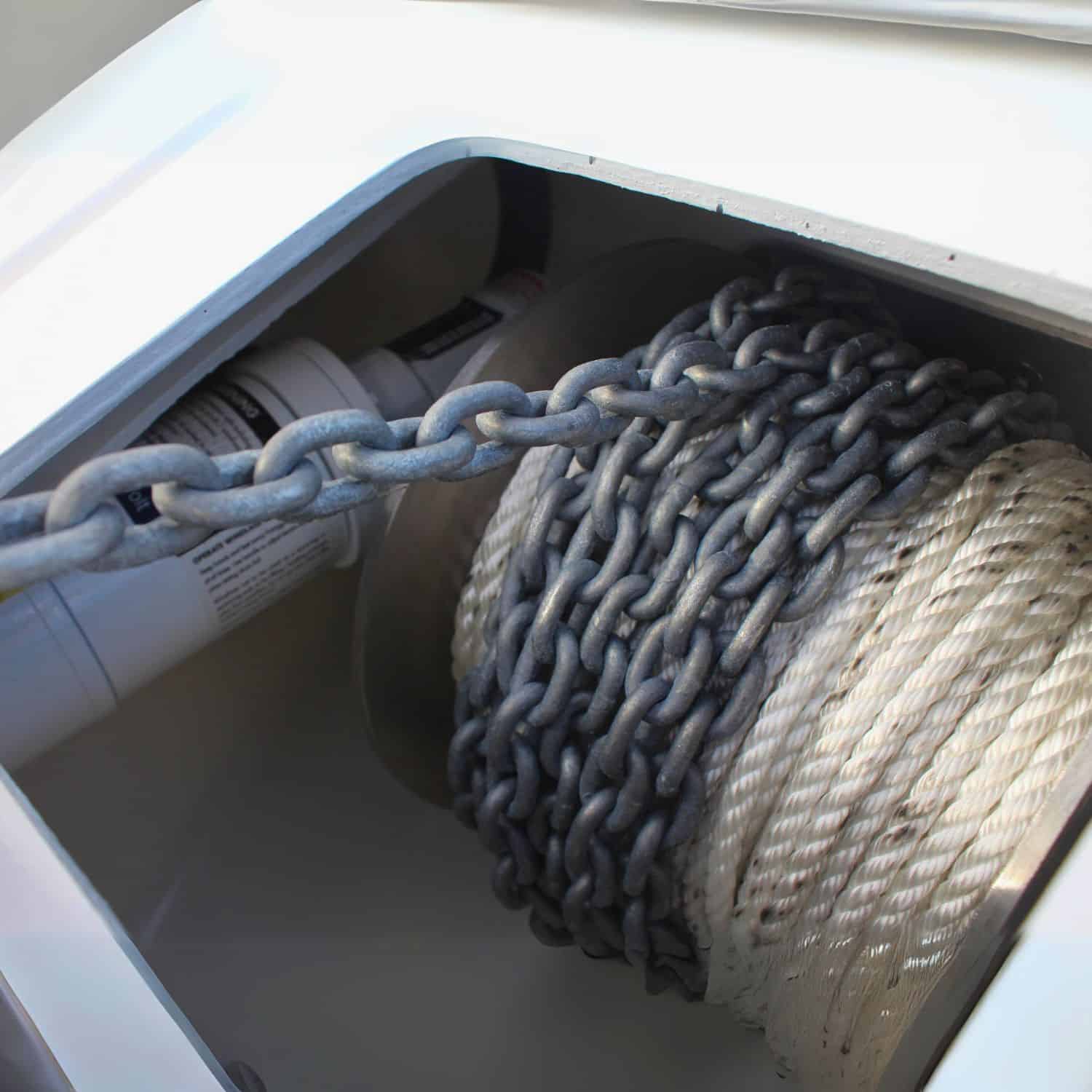
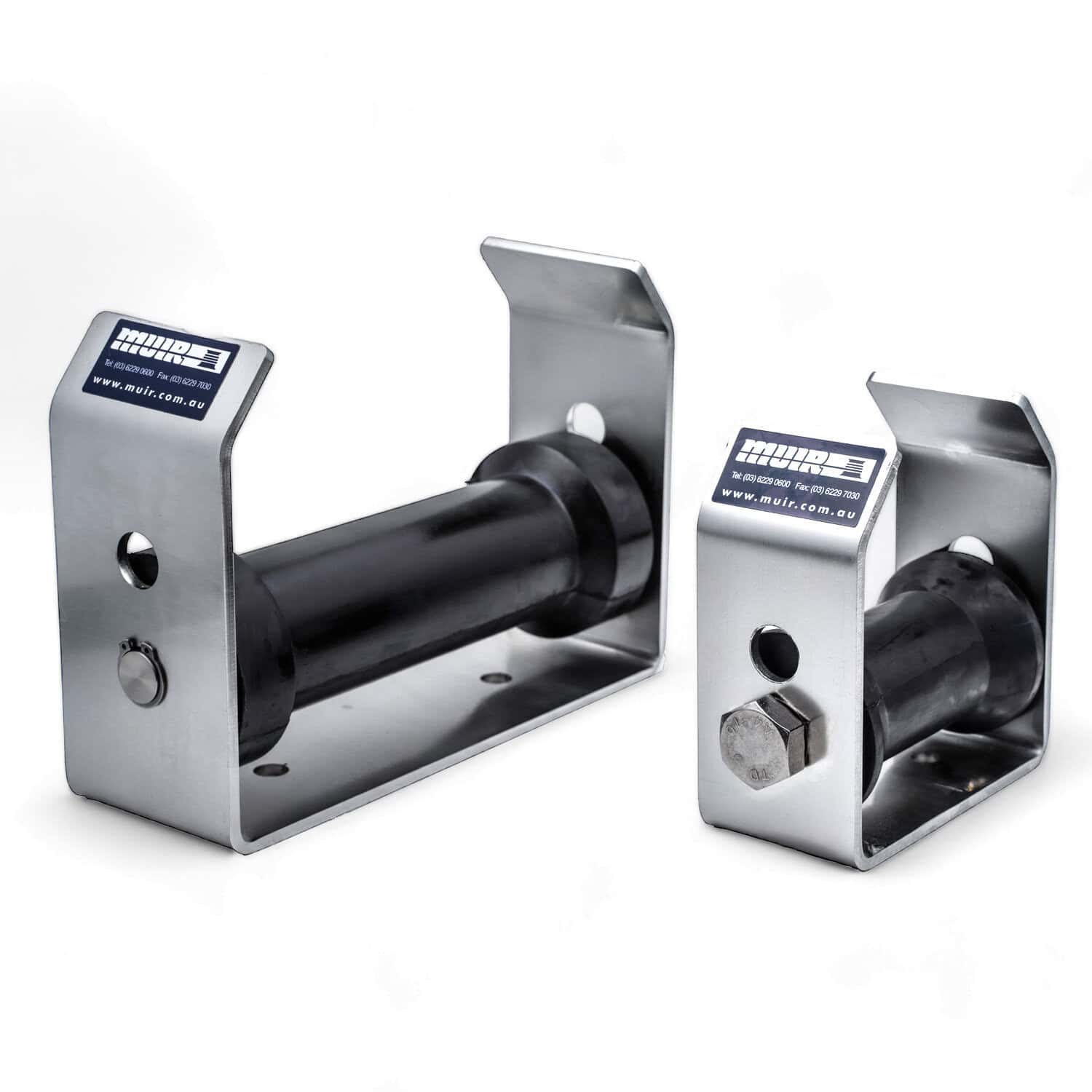
No gypsy at all. The whole rope-and-chain rode winds onto the drum, which is why locker fall is irrelevant and why chain standard is irrelevant too. It suits powerboats, trailer boats and anything with a shallow or awkward locker. The trade-off is that the rode has to spool evenly, so most owners add a guide roller, and it runs rope with a chain leader, so an all-chain rode is out.
Capstan (VC)
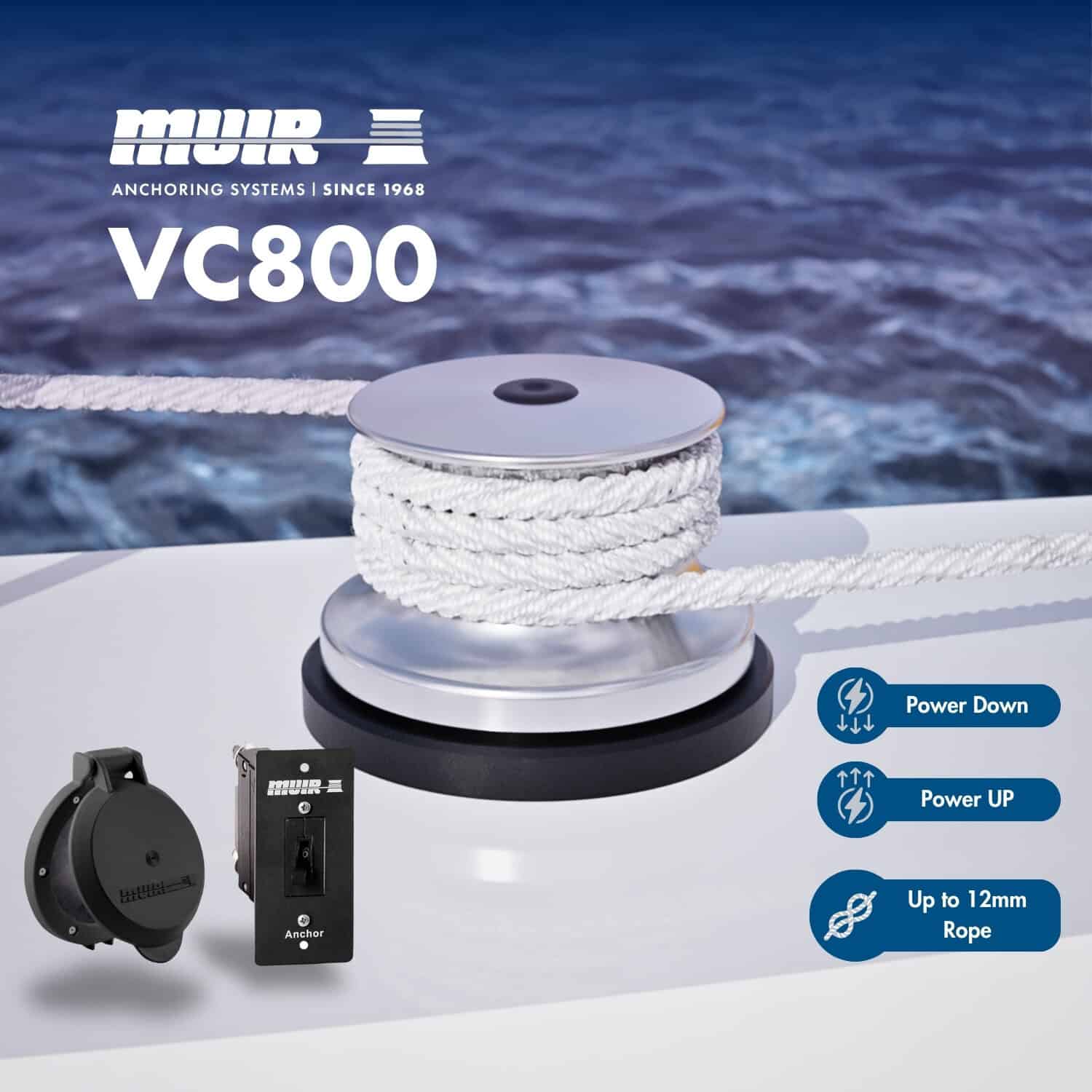
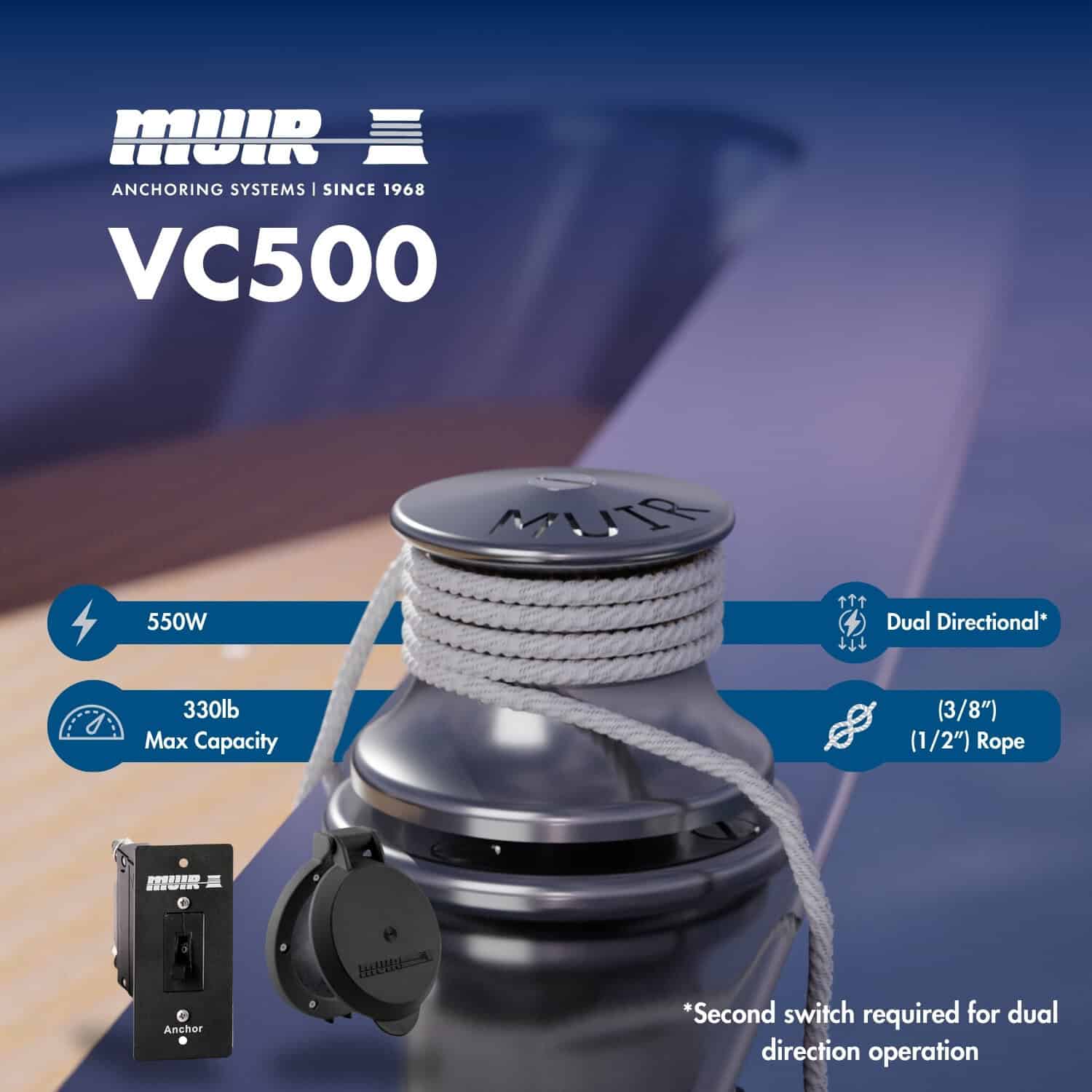
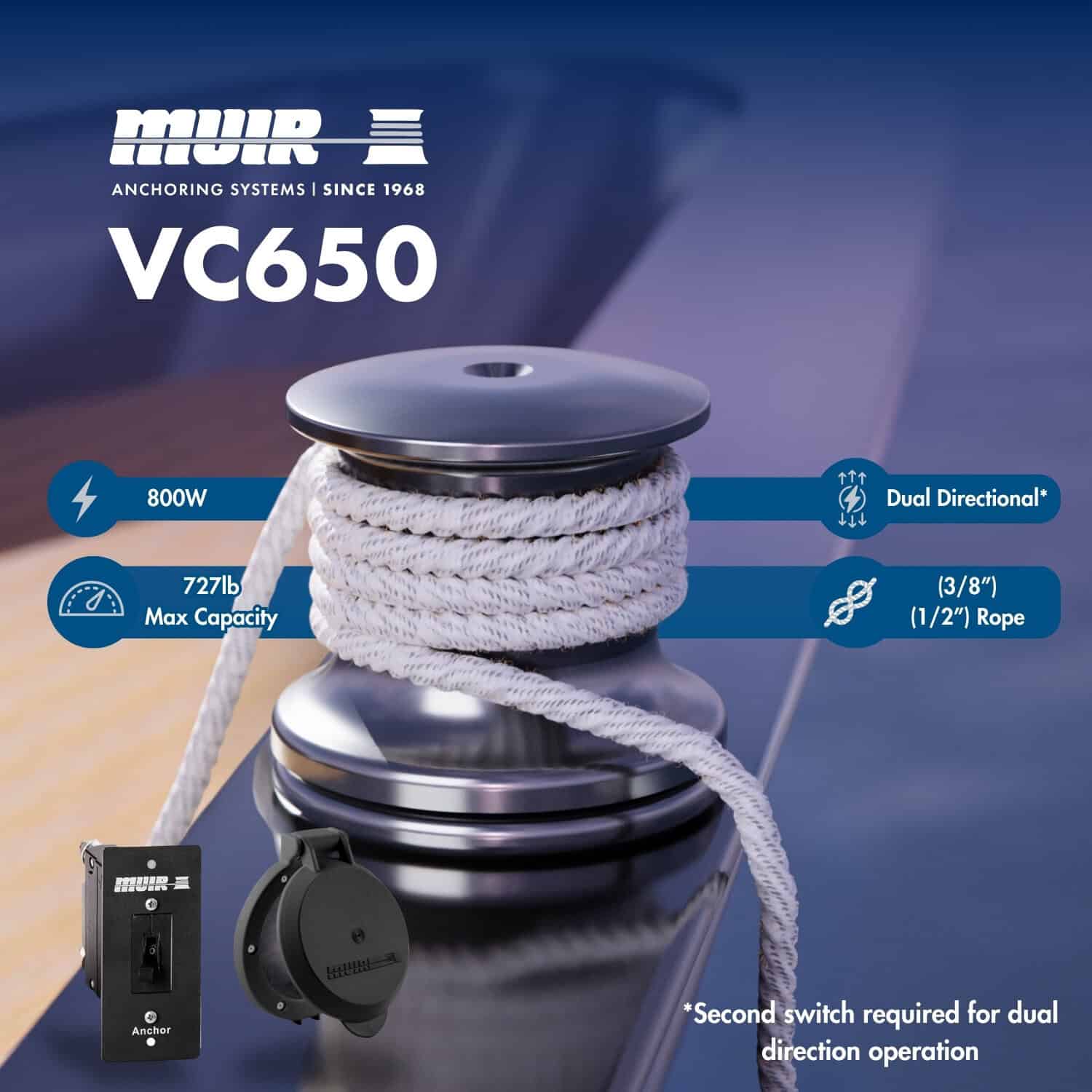
A rope drum with no gypsy and no chain handling. It warps lines, works mooring lines and hauls pots. It will not lift an anchor. Worth knowing about so you do not buy one expecting a windlass. See the capstan range, or the VRC and HC models if you want a capstan and a gypsy on one unit.
Weighing vertical against horizontal in more detail is its own job. We wrote it up in vertical vs horizontal windlass.
4. Identify the chain you already own
Chain size alone does not tell you which gypsy you need, and this is the most expensive mistake on the list because a gypsy is cut when the winch is built.
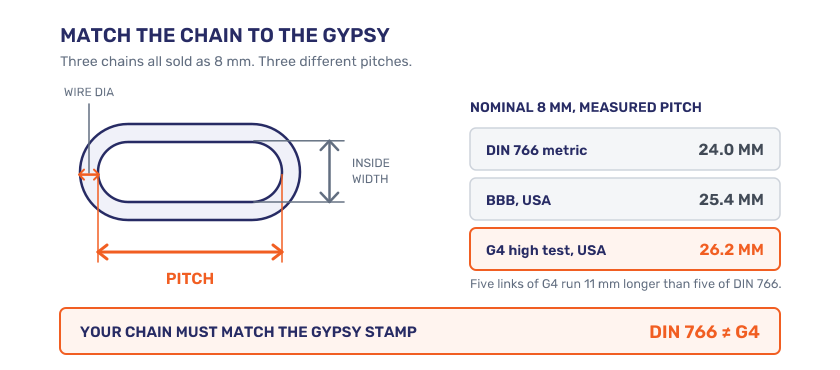
Three chains sold as 8 mm, three different pitches. Metric DIN 766 measures 24.0 mm, US BBB measures 25.4 mm, and US G4 high test measures 26.2 mm. A gypsy cut for one will skip or jam on the others, and no amount of tension fixes it.
Finding out takes a minute. Read the certificate or the tag that came with the chain, or lay five links end to end and divide by five. Then tell us the standard and the size when you order, and the matching gypsy ships with the winch. The Storm VR600 covers Australian short link, DIN 766 in 6 mm and 7 mm, and US BBB and G4 in 1/4 in, across just two gypsy patterns, so most boats are already covered.
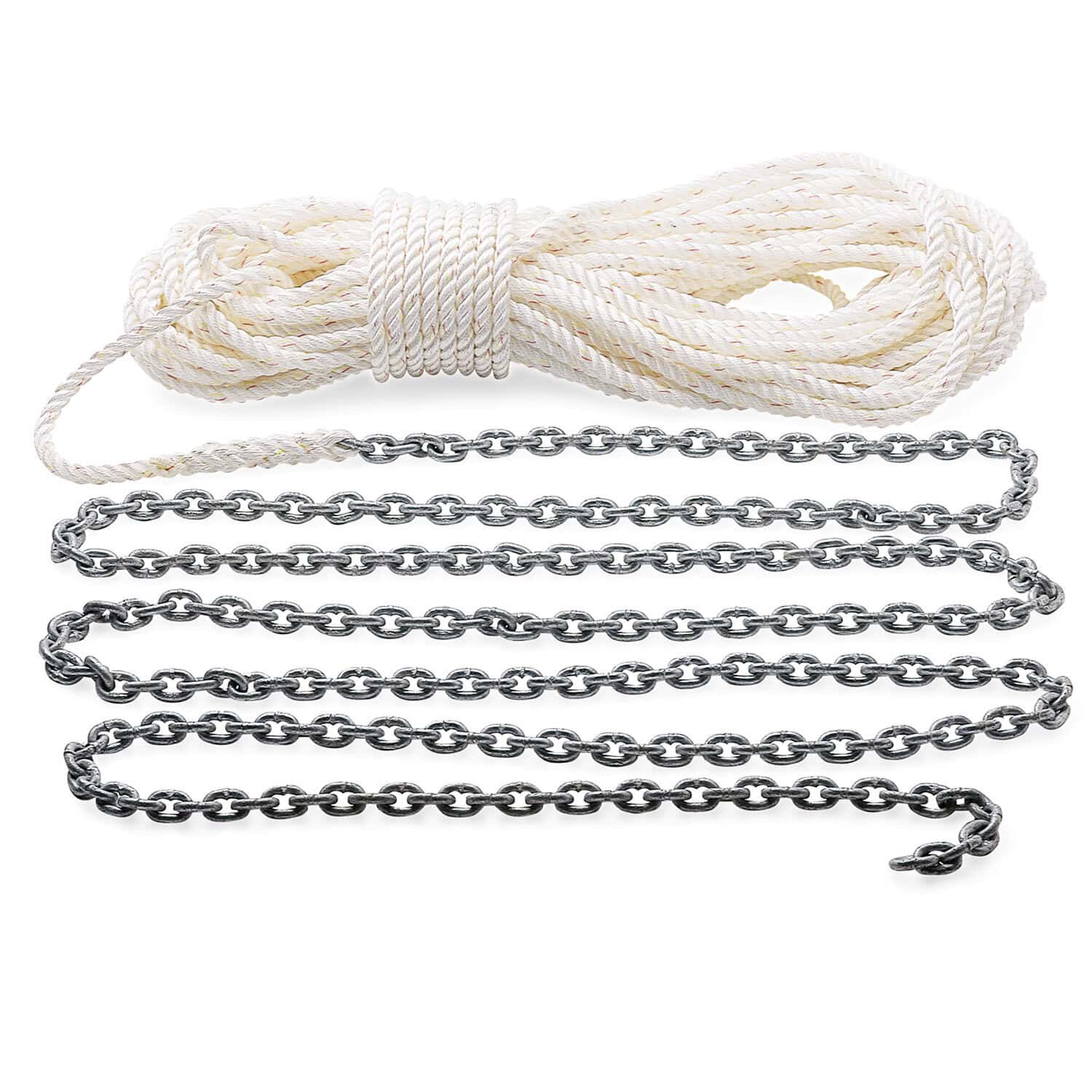
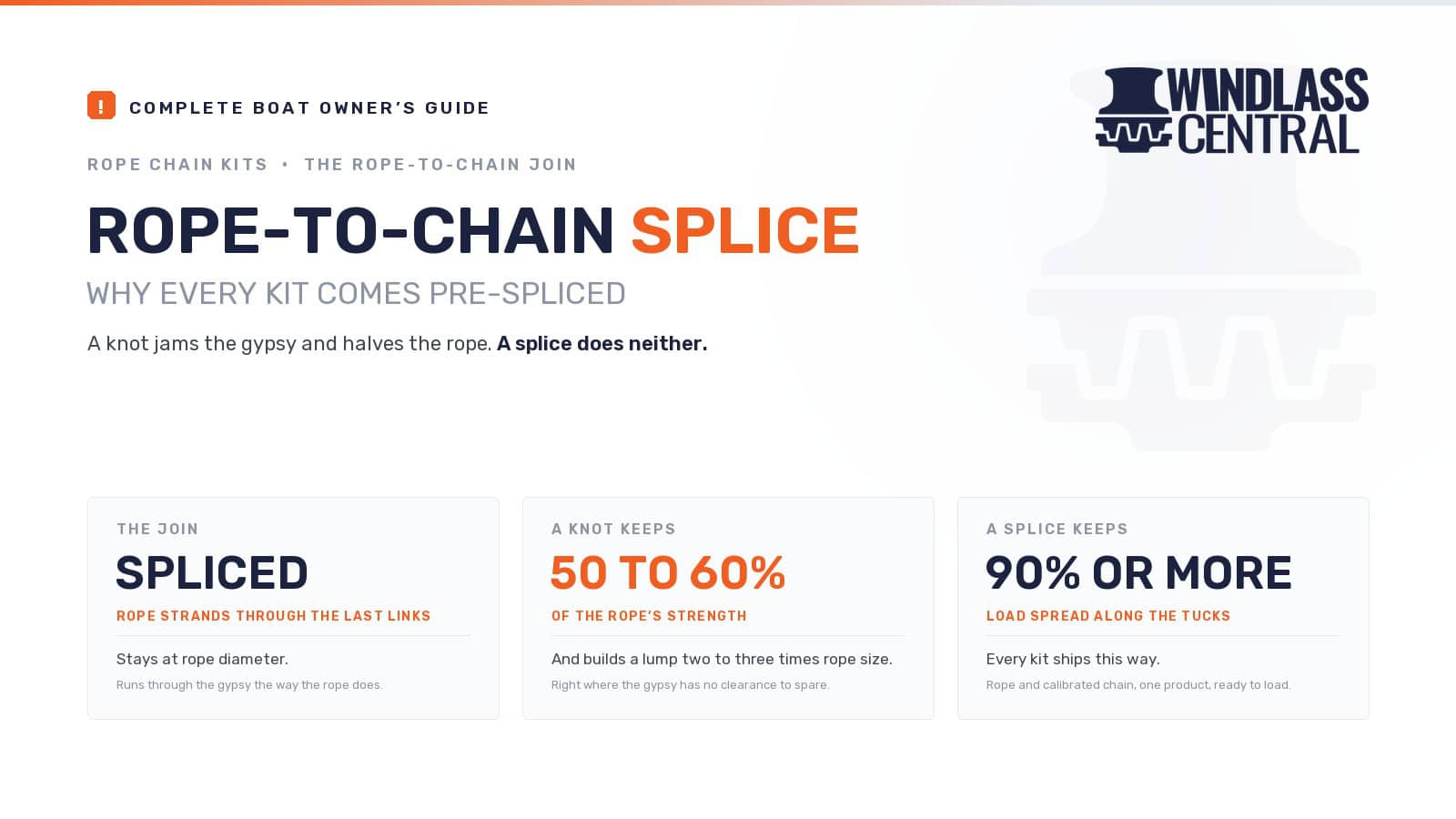
If you are buying rode at the same time, the windlass rope-chain kits and drum winch kits come spliced and sized per model, which removes the question entirely. Chain on its own is there if you are replacing a length.
5. Voltage, breaker and cable run
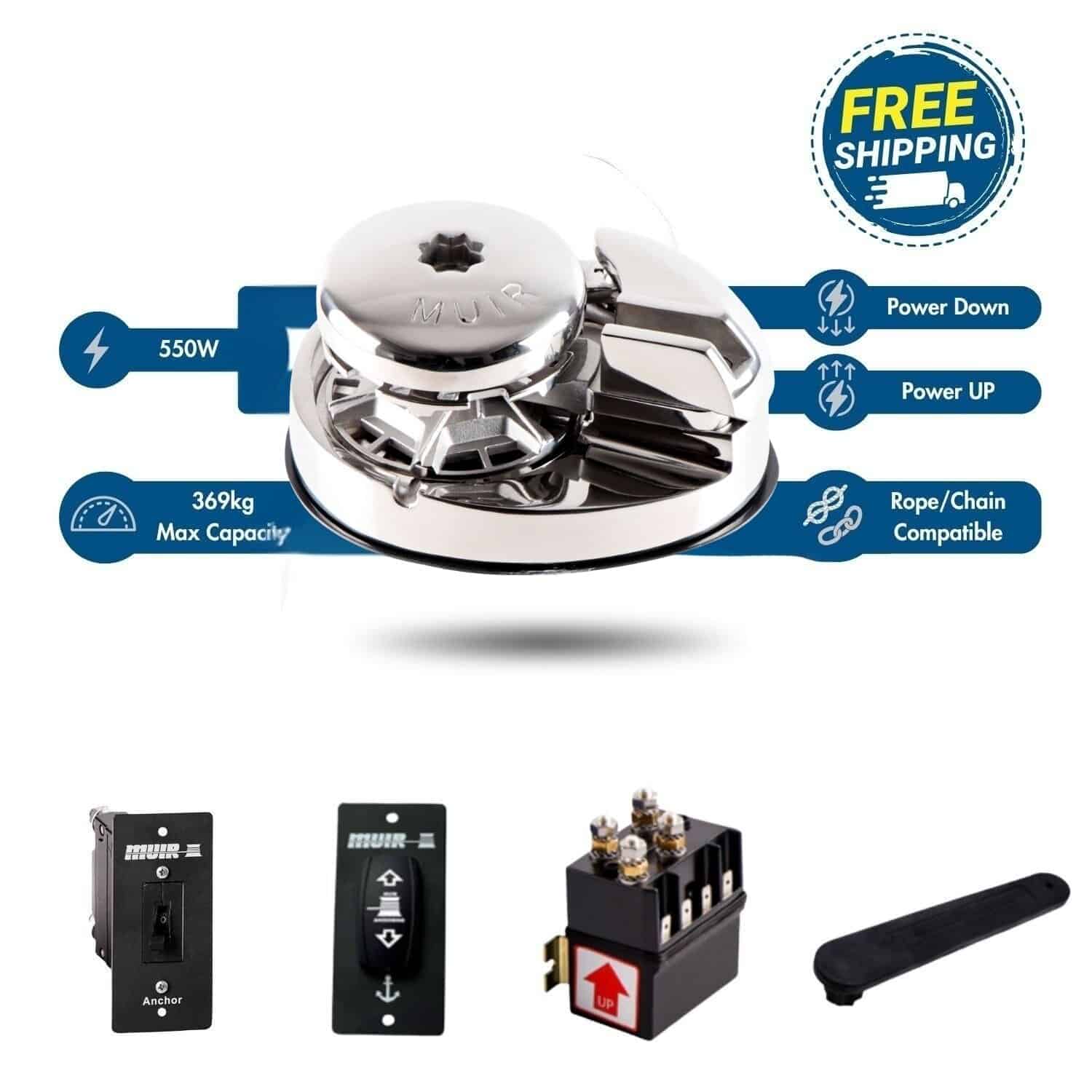
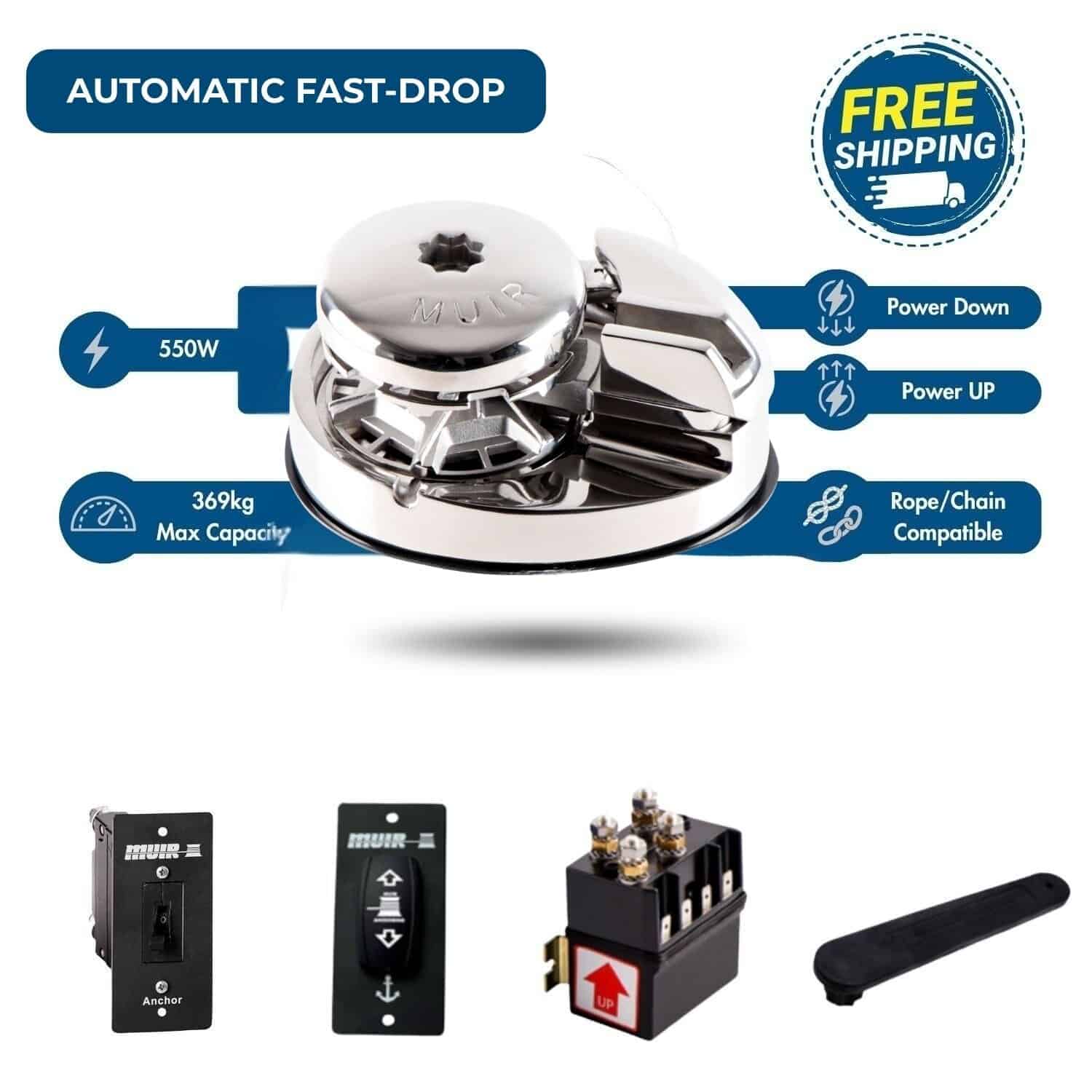
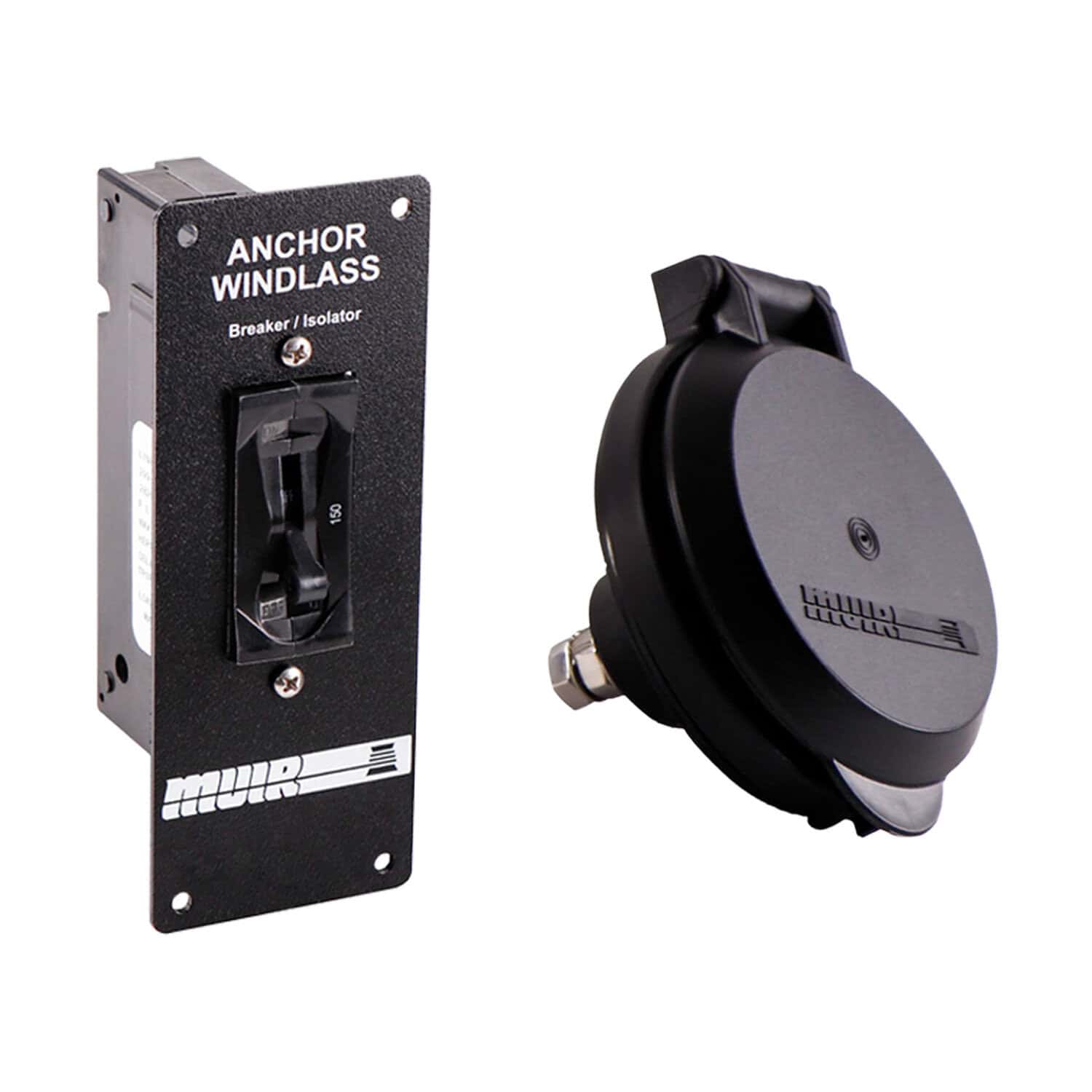
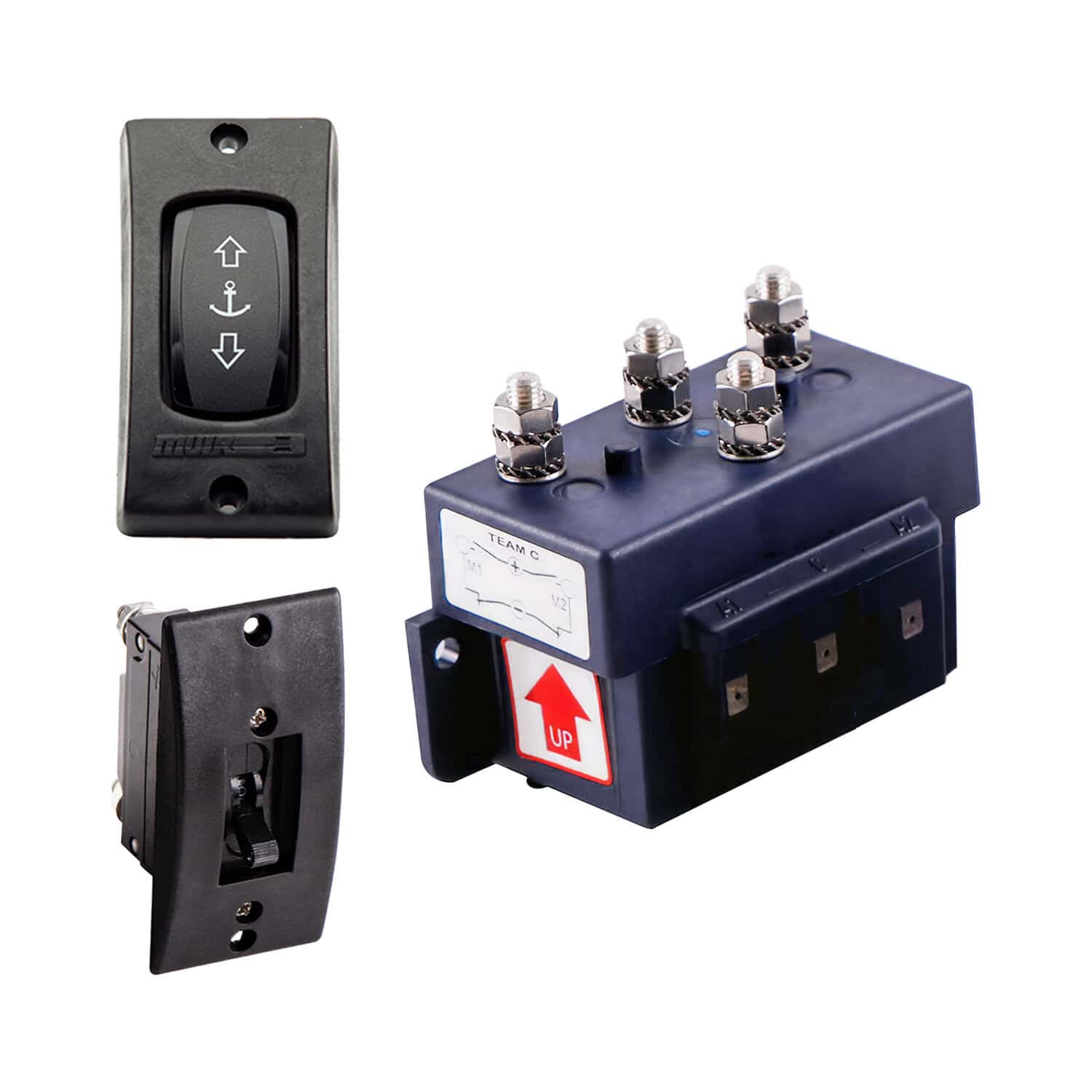
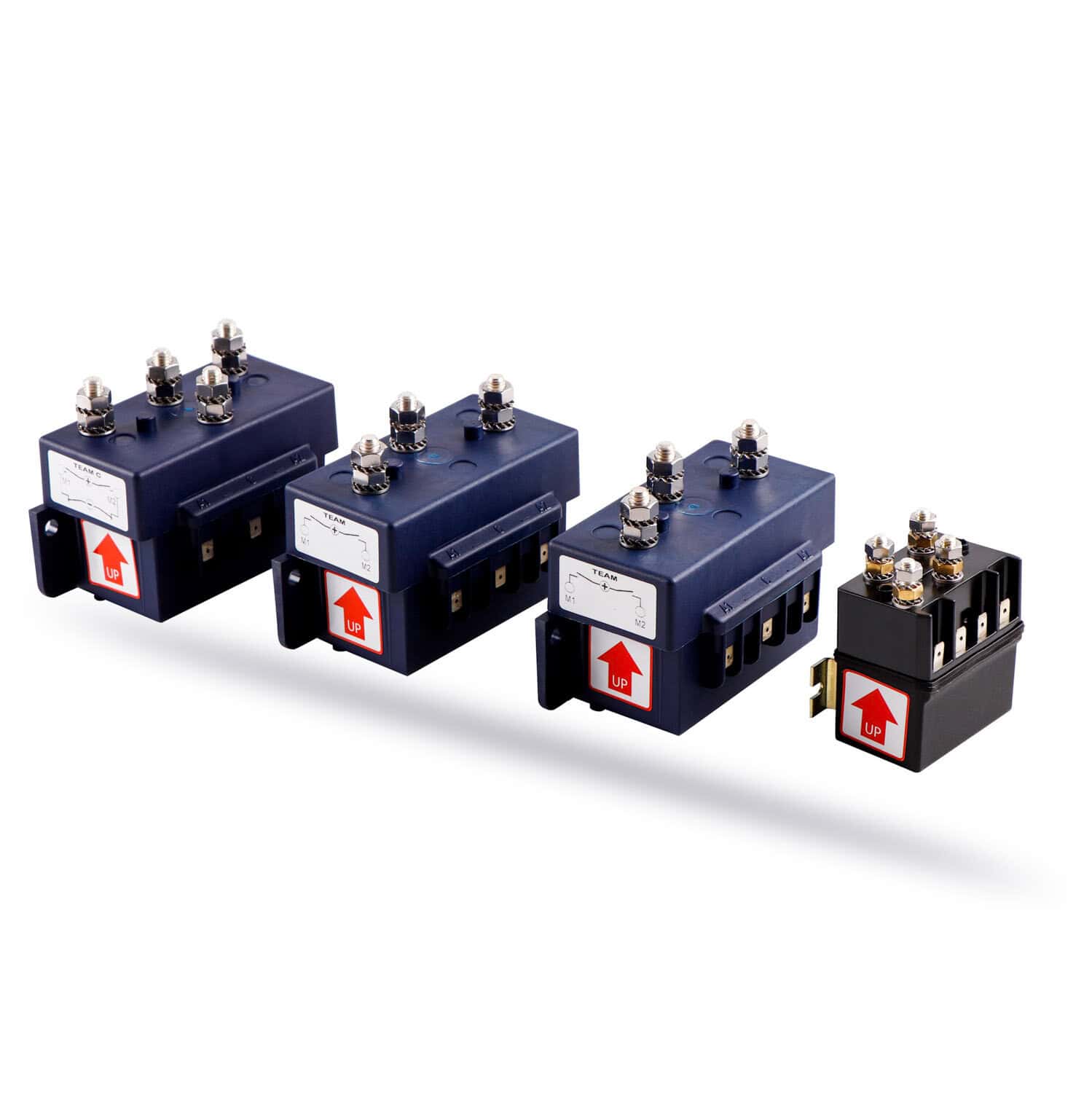
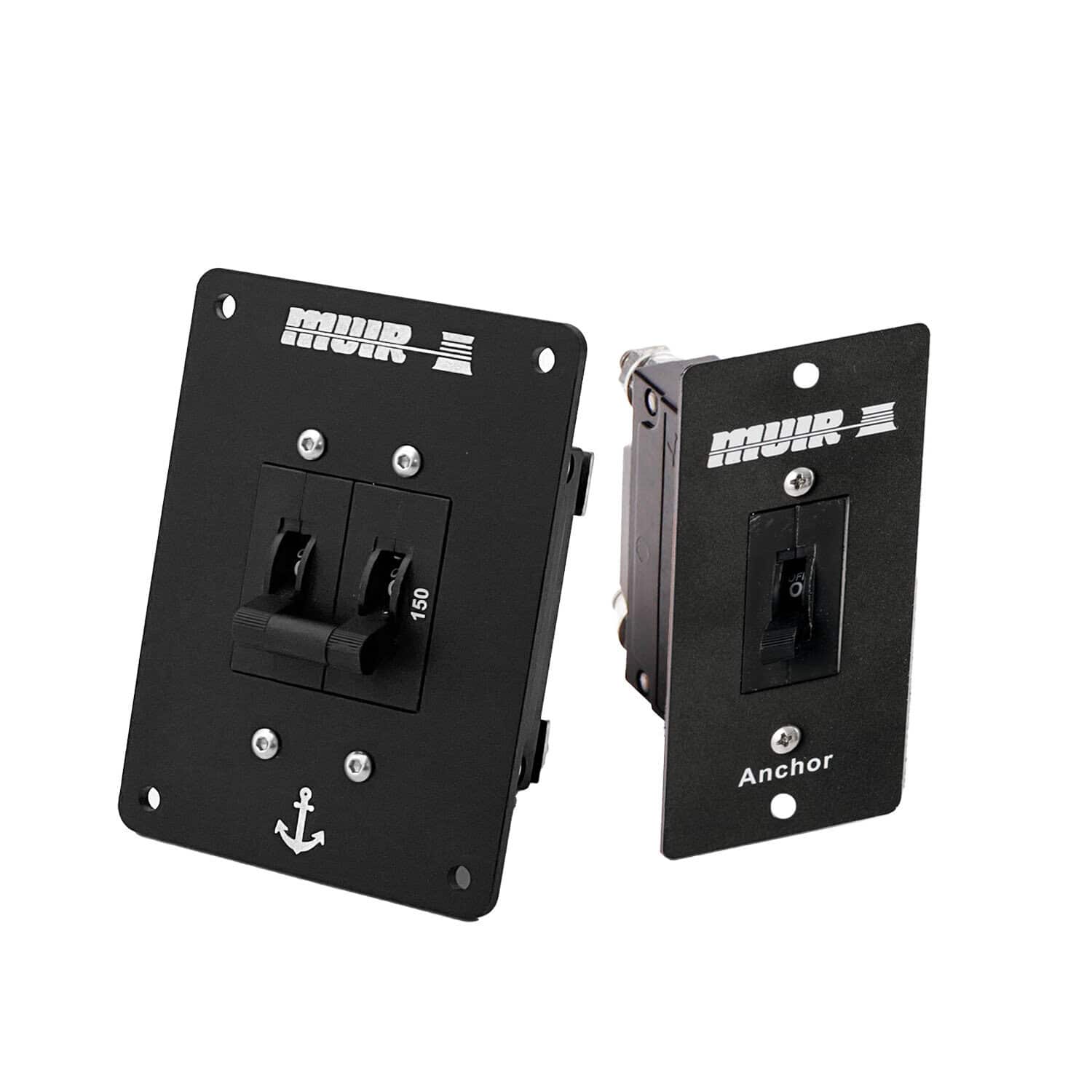
Every Muir package ships with the circuit breaker, the reversing solenoid and a switch, so there is no wiring kit to buy separately. What you do have to get right is the cable.
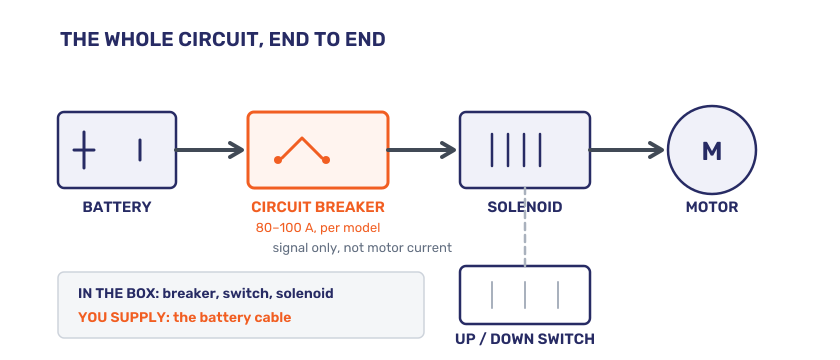
- Voltage is fixed at purchase. The 600 and 850 ranges are built 12 V or 24 V. From the 1250 up you can also have 48 V. These are made to order, so match your boat before you buy.
- The breaker in the box is sized for the model. 80 A on the 600 and 850, 100 A on a 12 V 1250, 150 A from the 2200 up.
- Cable size follows the length of the run. A windlass sits at the far end of the longest DC run on the boat. Undersized cable drops voltage, the motor pulls harder to compensate, and it runs hot. Measure the round trip from battery to winch and back, and size to that.
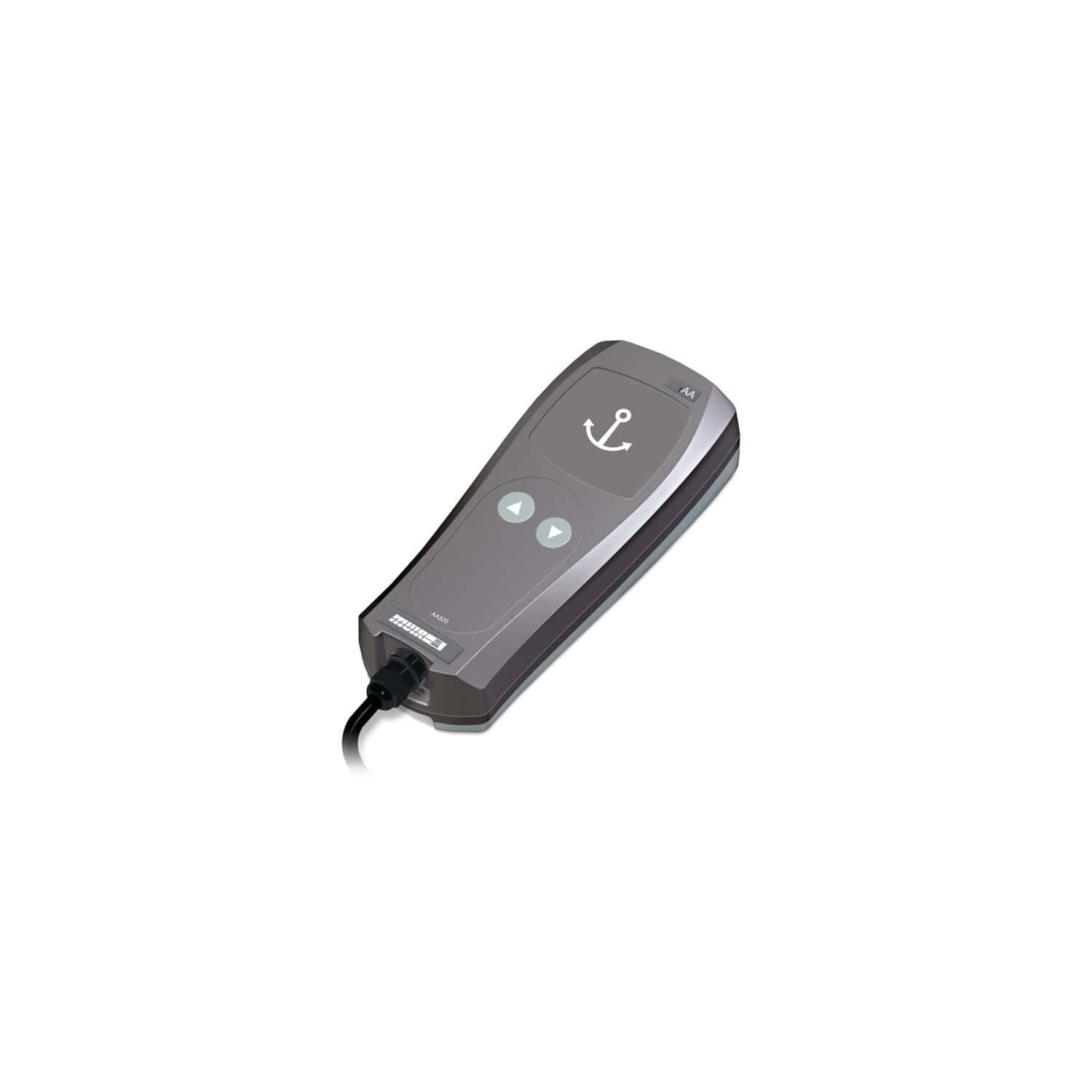
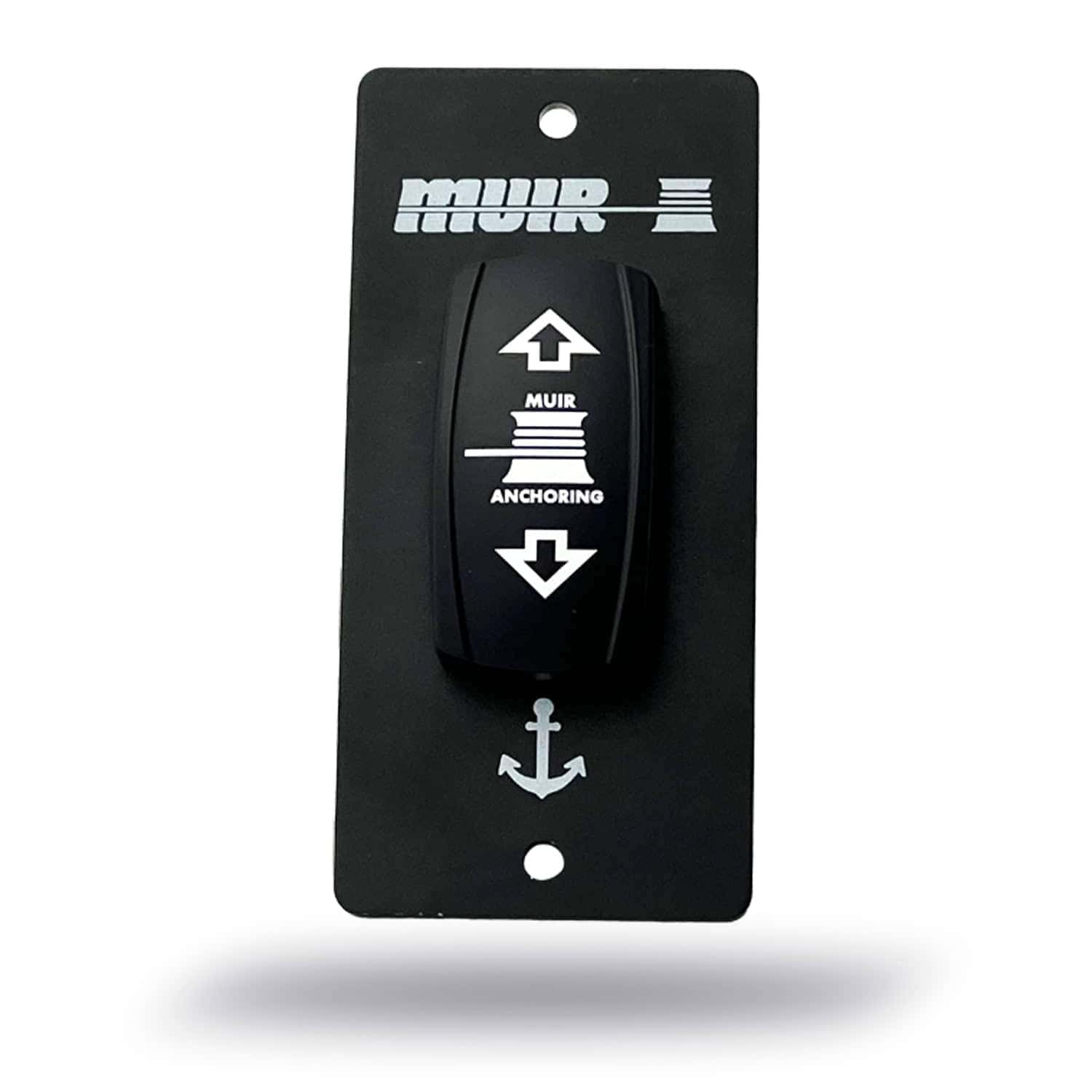
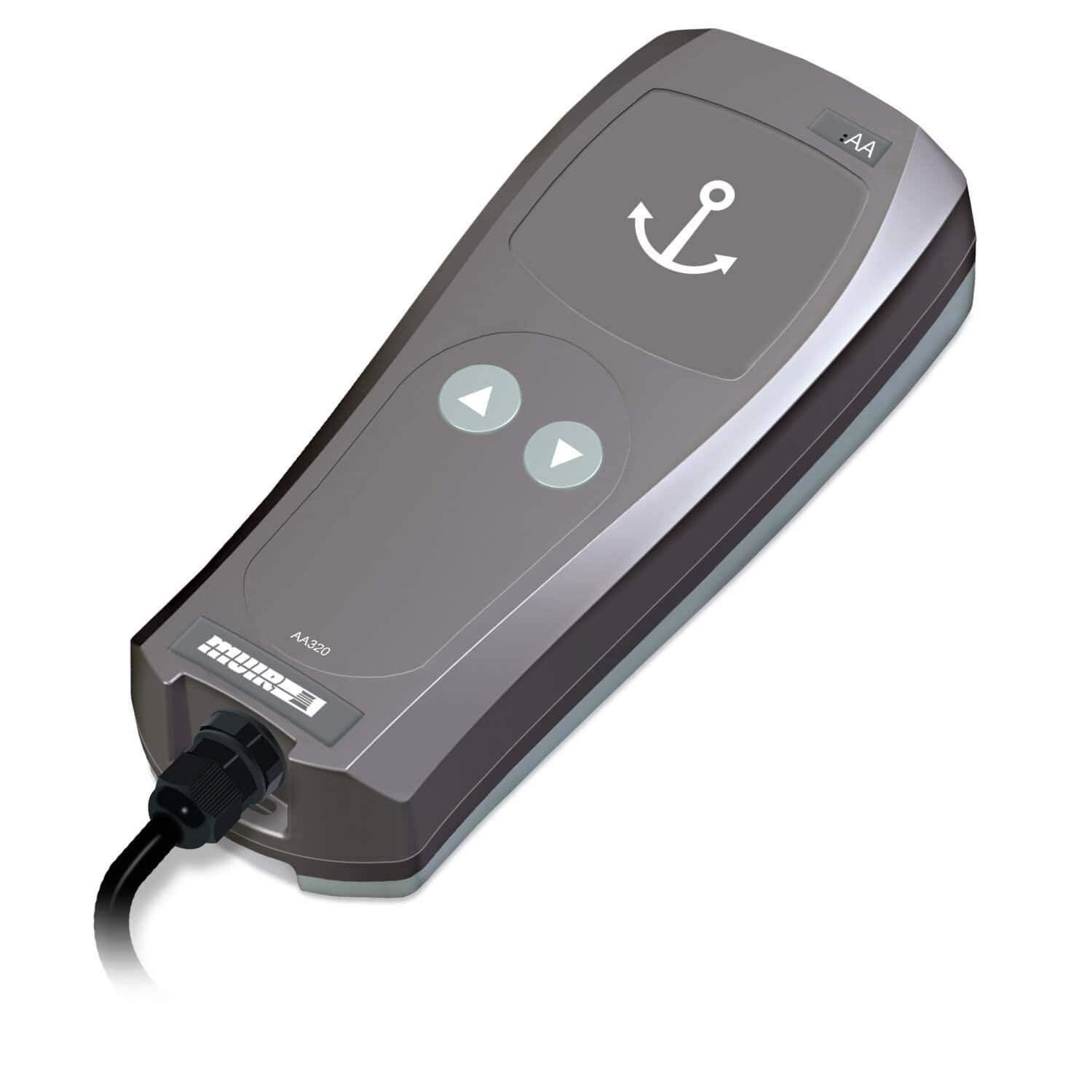
A second control point is worth adding at the same time, because you cannot watch the chain, the depth and the boat ahead from one place. Deck switch kits start at $29.00. The full sequence is in our windlass installation guide.
6. Free-fall, or a powered drop
The only preference on this list. A free-fall model releases the gypsy so the anchor drops under its own weight, which sets in seconds instead of the time it takes to power the chain out. Retrieval is identical on both, because both come up under power.
| Pair | Powered drop | Free-fall | Difference |
|---|---|---|---|
| Drum, to 26 ft | DW 08, $1,268.25 | DFF 08, $1,631.44 | $363.19 |
| Vertical, to 30 ft | Storm VR600, $1,587.45 | Storm VFF600, $2,015.00 | $427.55 |
Worth it if you anchor several times a day or fish spots where speed of setting matters. Not worth it if you drop once and stay put.
The Muir recreational range, in one table
Working load and rated length from Muir’s engineering data. Prices are the current from-price on this site.
| Model | Format | Working load | Rated to | From |
|---|---|---|---|---|
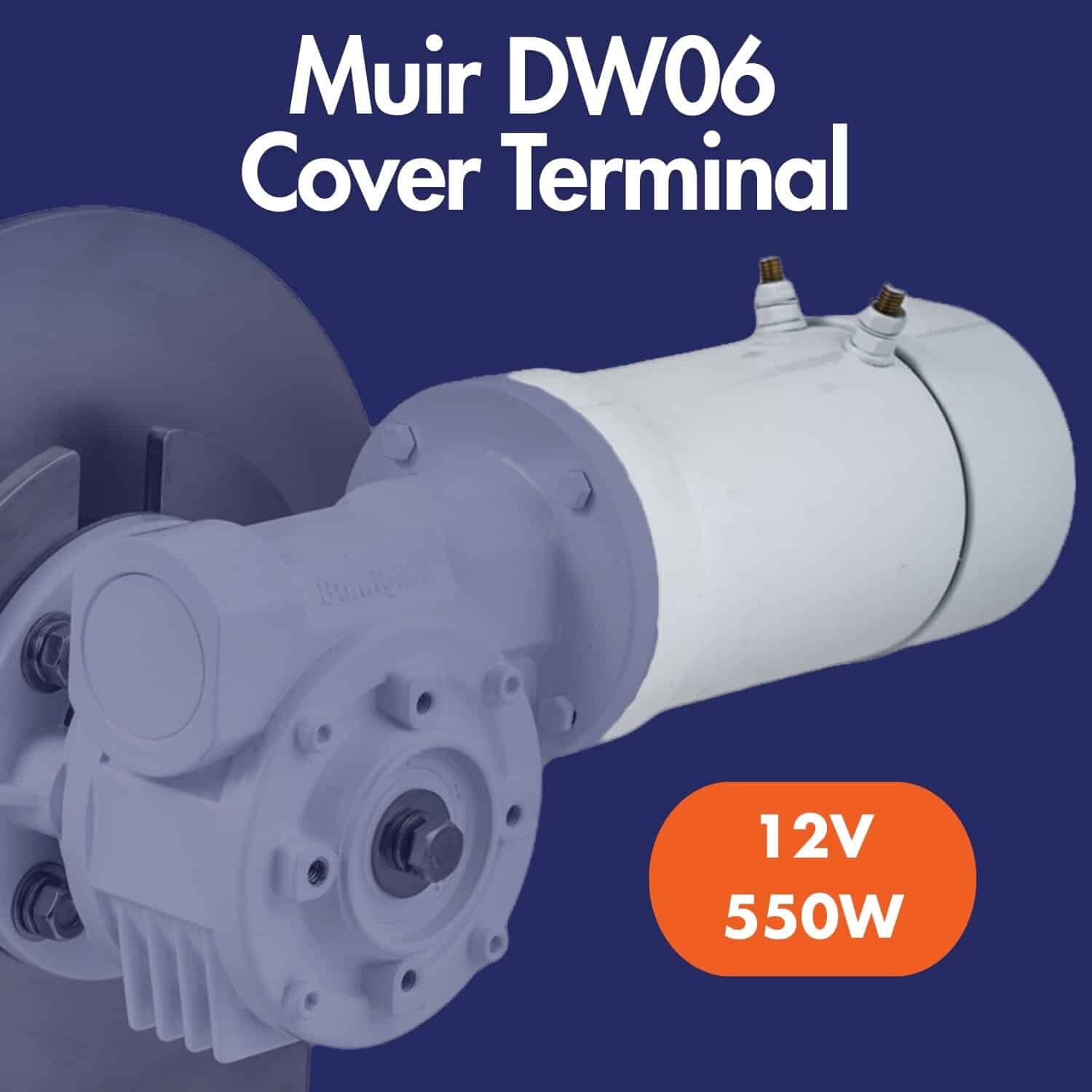
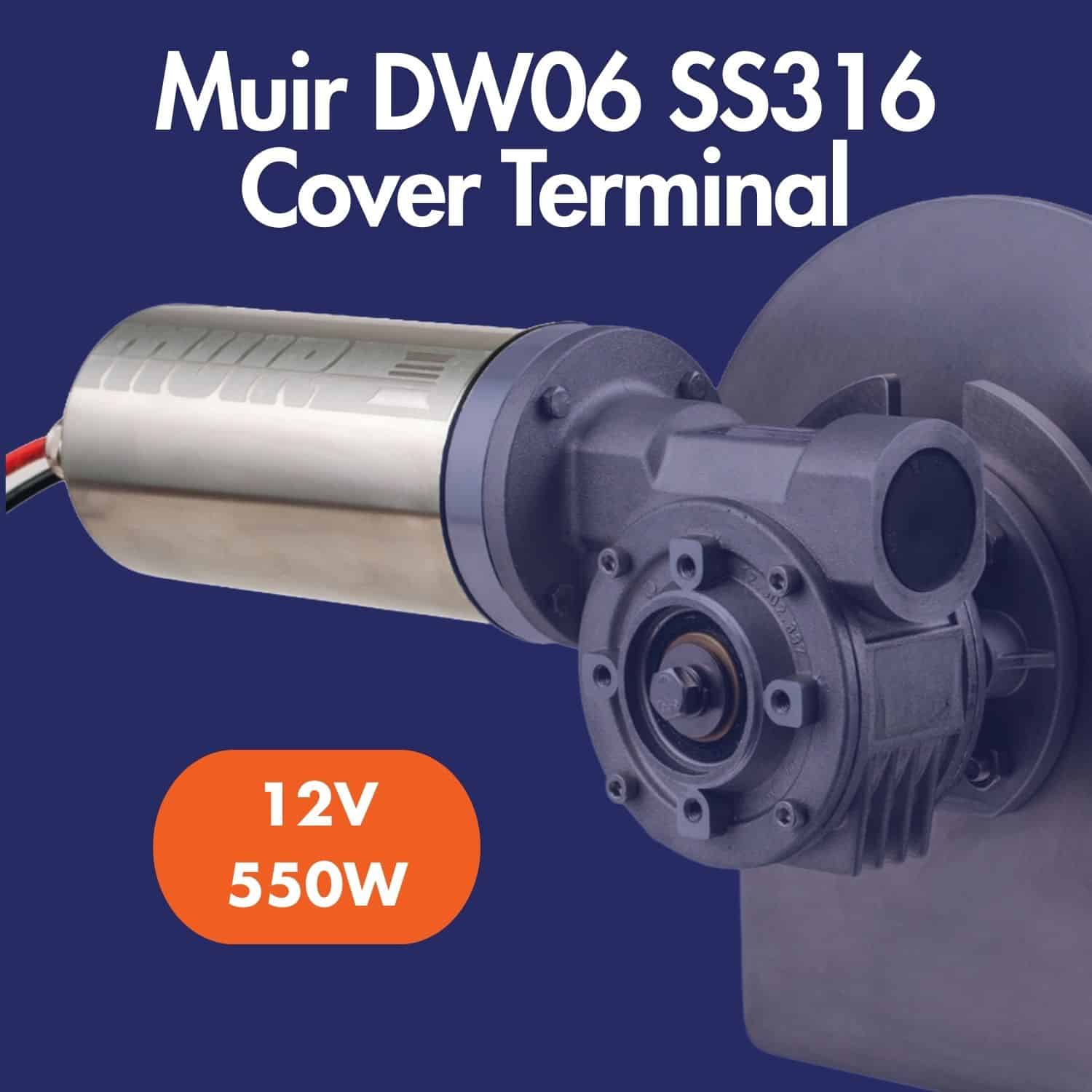
| DW 06 | Drum | 88 lb (40 kg) | 23 ft (7 m) | $1,106.75 |
| DW 08 | Drum | 132 lb (60 kg) | 26 ft (8 m) | $1,268.25 |
| DFF 08 | Drum, free-fall | 132 lb (60 kg) | 26 ft (8 m) | $1,631.44 |
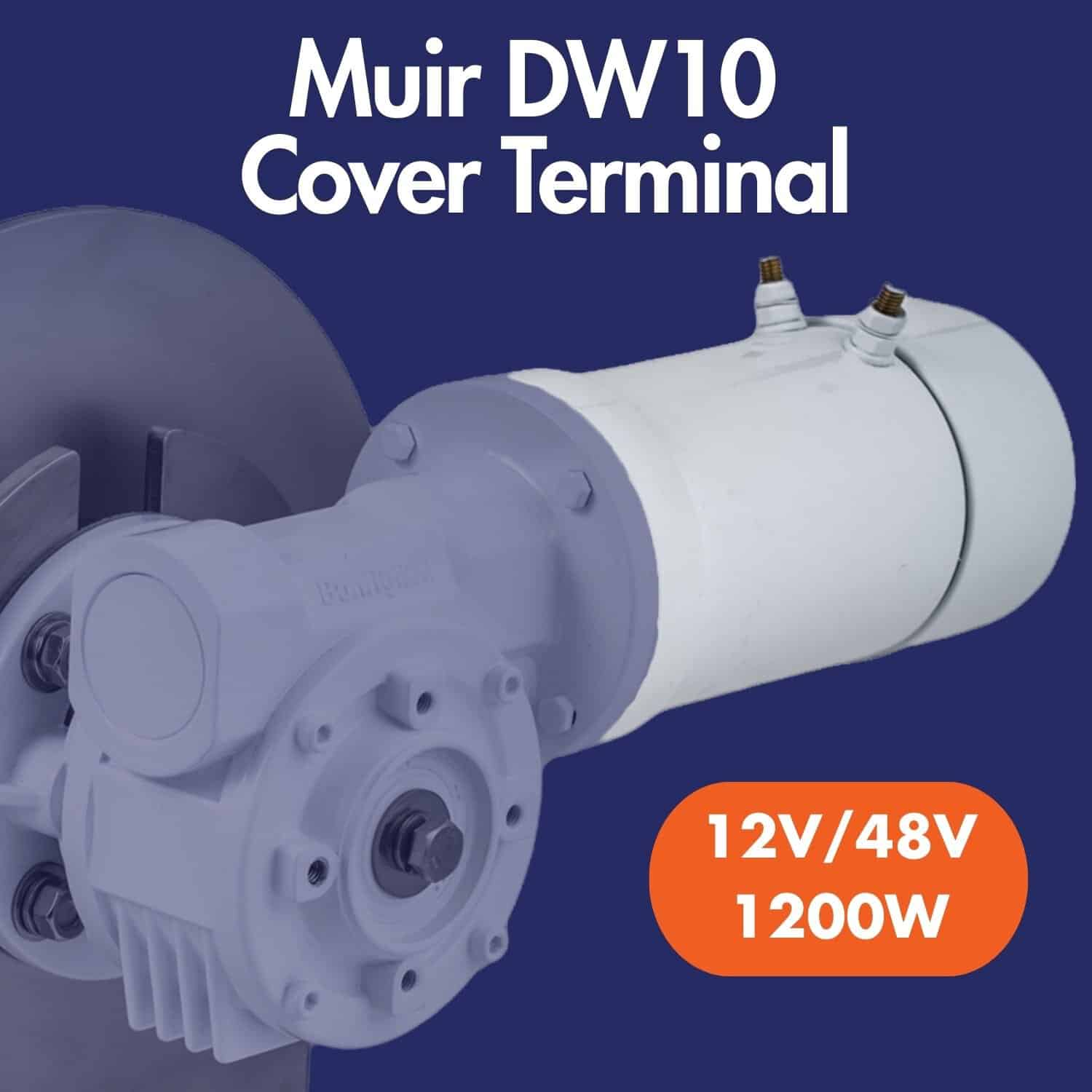
| DW 10 | Drum | 192 lb (87 kg) | 33 ft (10 m) | $1,800.25 |
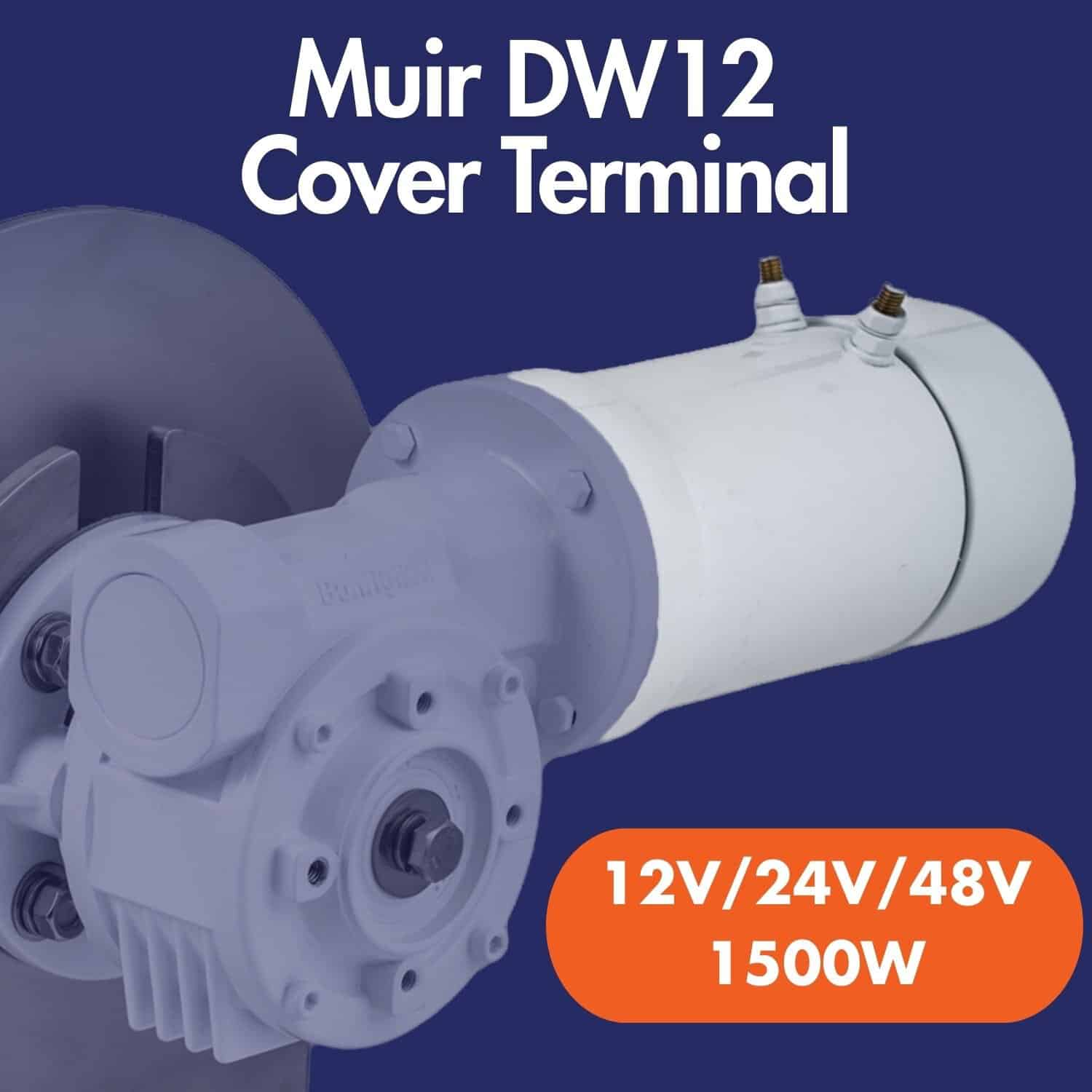
| DW 12 | Drum | 229 lb (104 kg) | 39 ft (12 m) | $2,778.75 |
| DW 15 | Drum | 287 lb (130 kg) | 46 ft (14 m) | $3,301.25 |
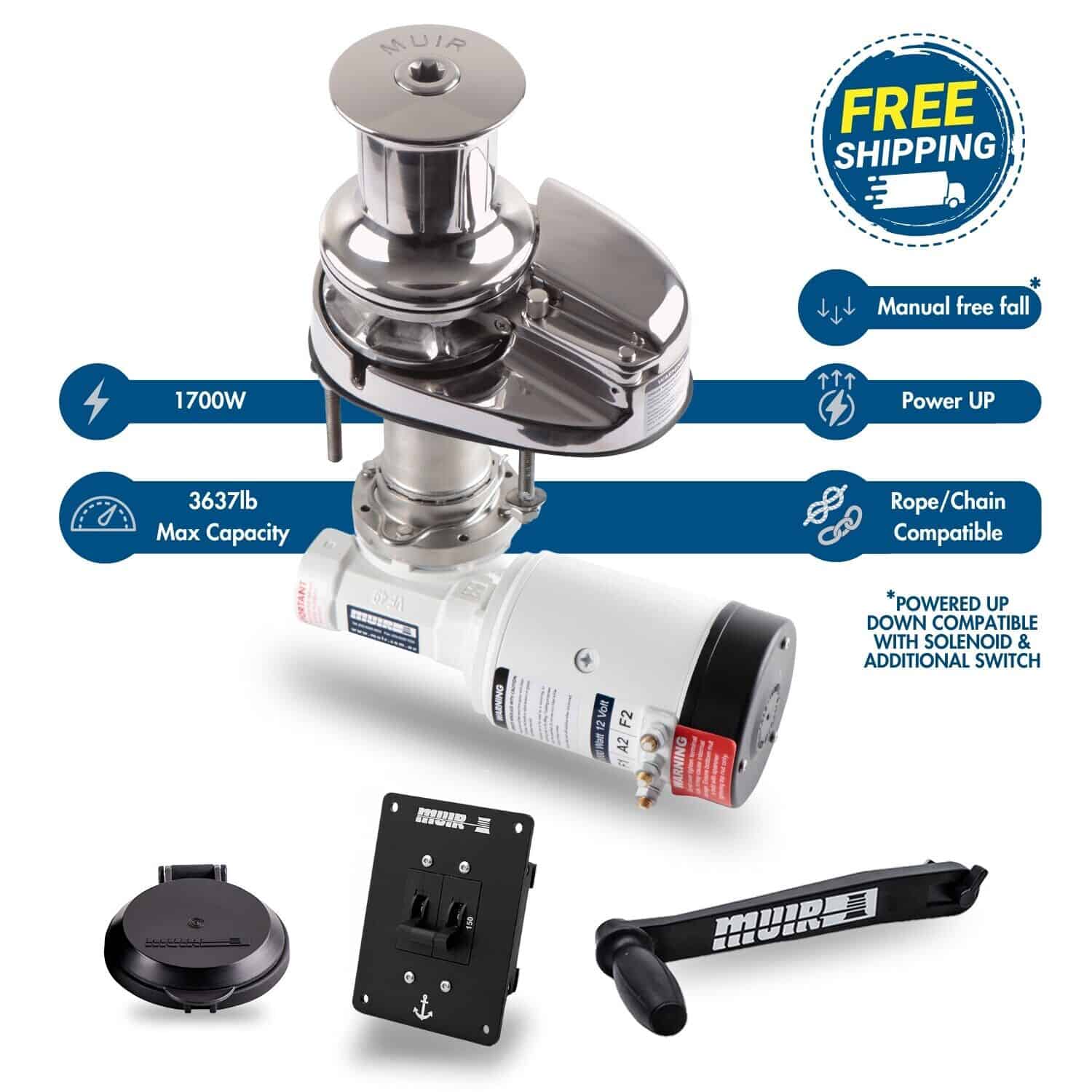
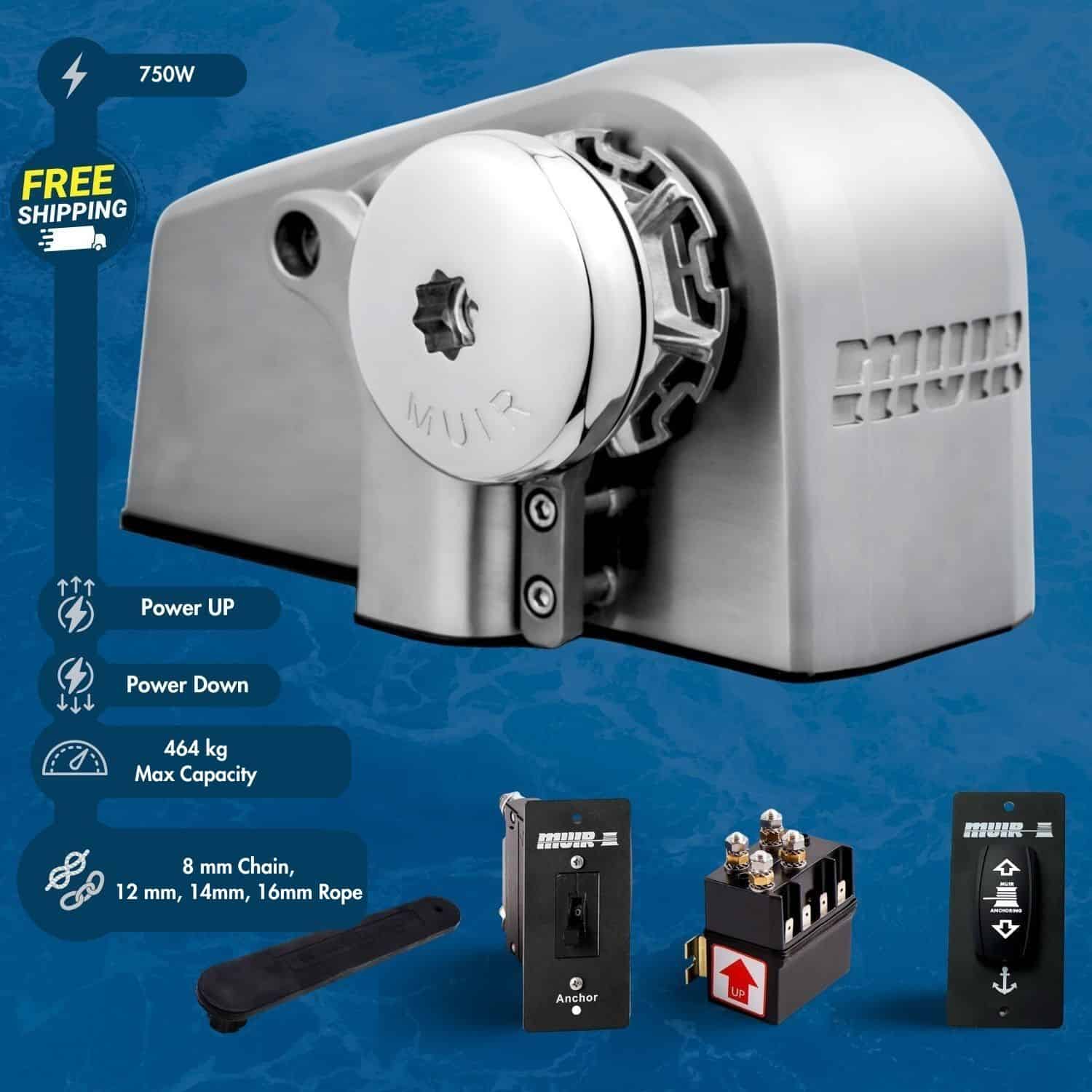
| Storm VR600 | Vertical | 271 lb (123 kg) | 30 ft (9 m) | $1,587.45 |
| Storm VFF600 | Vertical, free-fall | 271 lb (123 kg) | 30 ft (9 m) | $2,015.00 |
| Storm VR850 | Vertical | 331 lb (150 kg) | 36 ft (11 m) | $1,952.25 |
| Storm VR1250 | Vertical | 456 lb (207 kg) | 43 ft (13 m) | $2,339.85 |
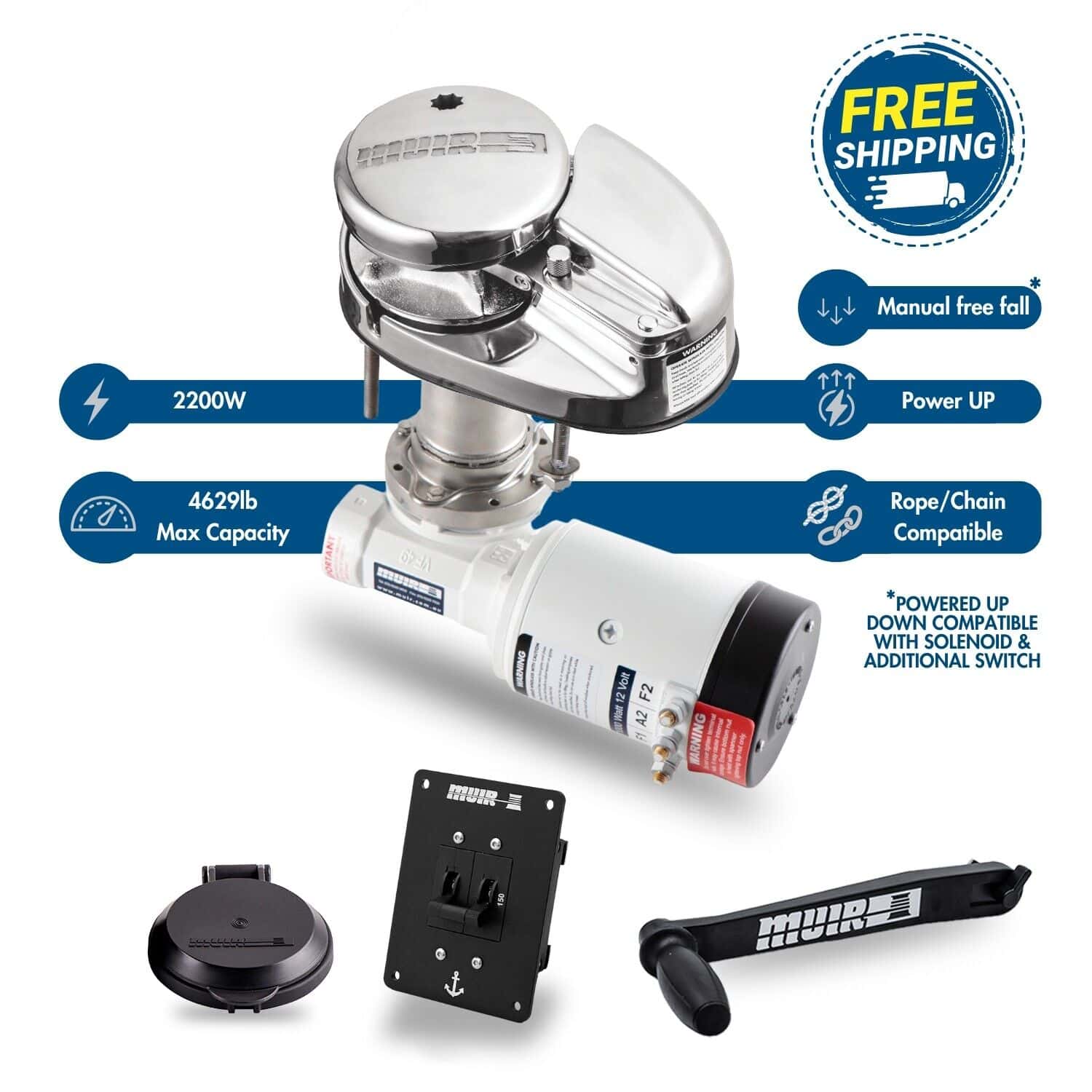
| Storm VR2200 | Vertical | 809 lb (367 kg) | 49 ft (15 m) | $2,739.80 |
| Storm VR2500 | Vertical | 882 lb (400 kg) | 66 ft (20 m) | $4,271.20 |
| Storm VR3500 | Vertical | 1,213 lb (550 kg) | 79 ft (24 m) | $4,512.50 |
| Storm VR4000 | Vertical | 1,543 lb (700 kg) | 82 ft (25 m) | $6,164.55 |
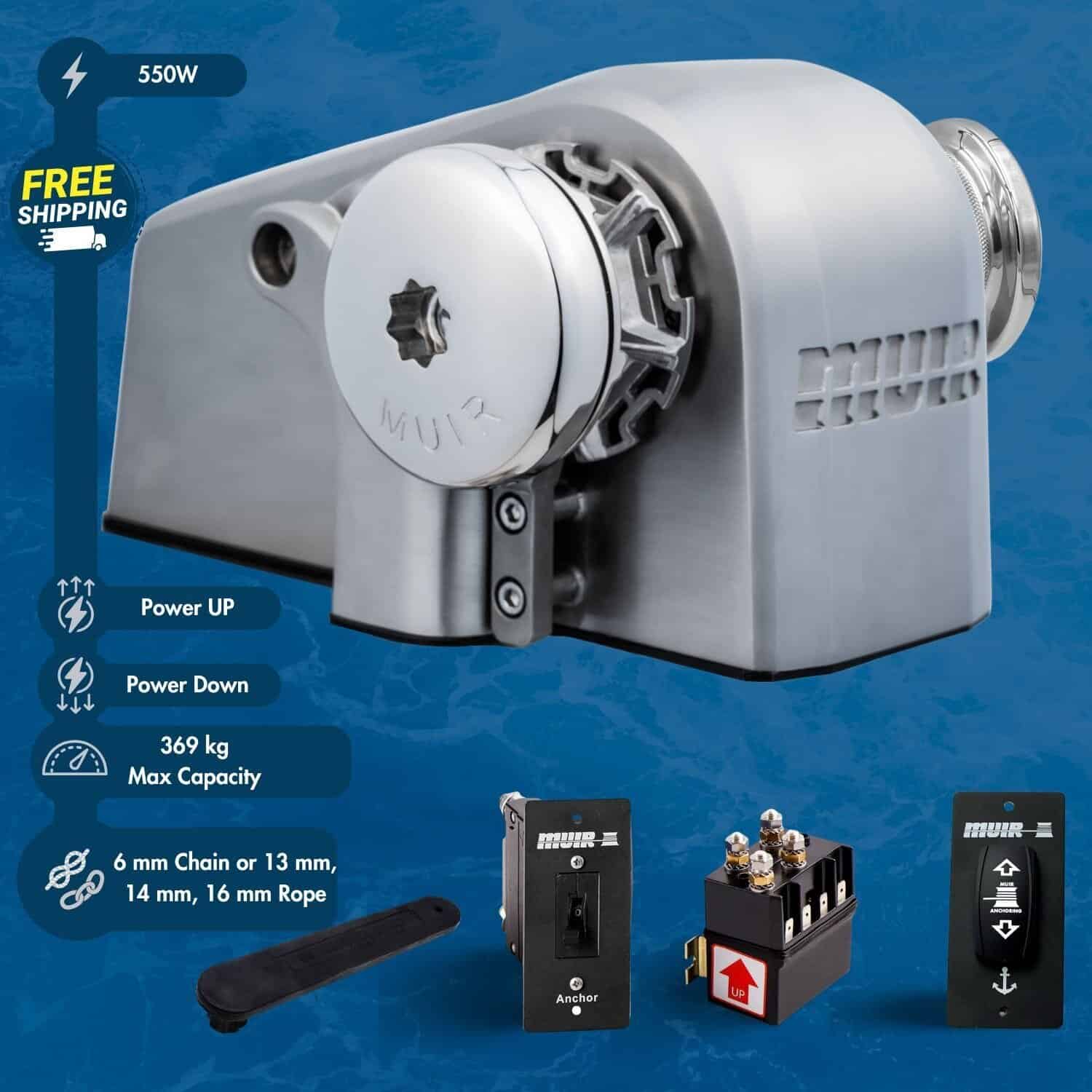
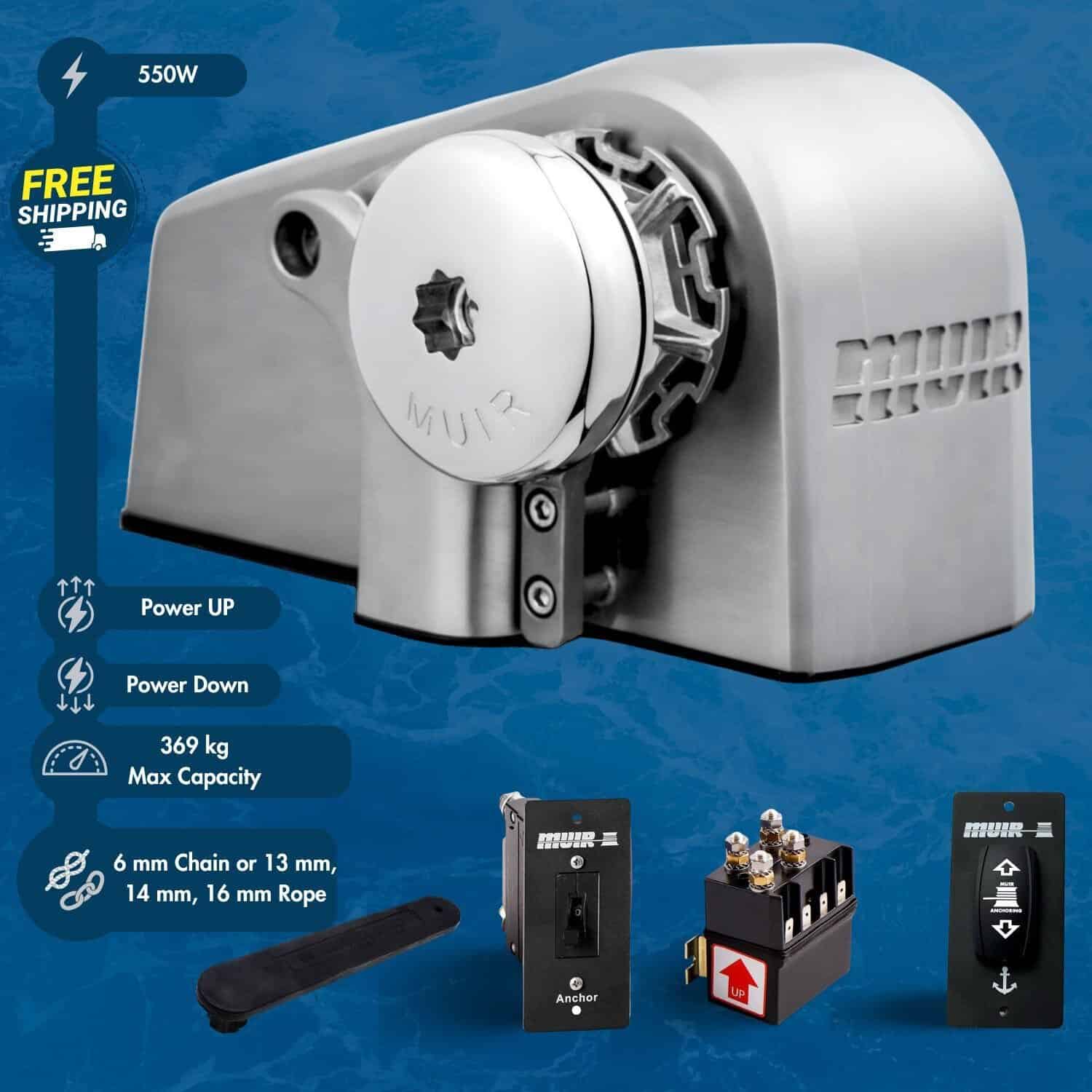
| HR650 Lynx | Horizontal | 271 lb (123 kg) | 26 ft (8 m) | $1,679.20 |
| HR950 Lynx | Horizontal | 340 lb (154 kg) | 36 ft (11 m) | $1,776.50 |
| HR1200 Cougar | Horizontal | 331 lb (150 kg) | 33 ft (10 m) | $2,638.91 |
| HR1600 Cougar | Horizontal | 456 lb (207 kg) | 43 ft (13 m) | $3,014.75 |
| HR2500 Cheetah | Horizontal | 882 lb (400 kg) | 56 ft (17 m) | $4,419.00 |
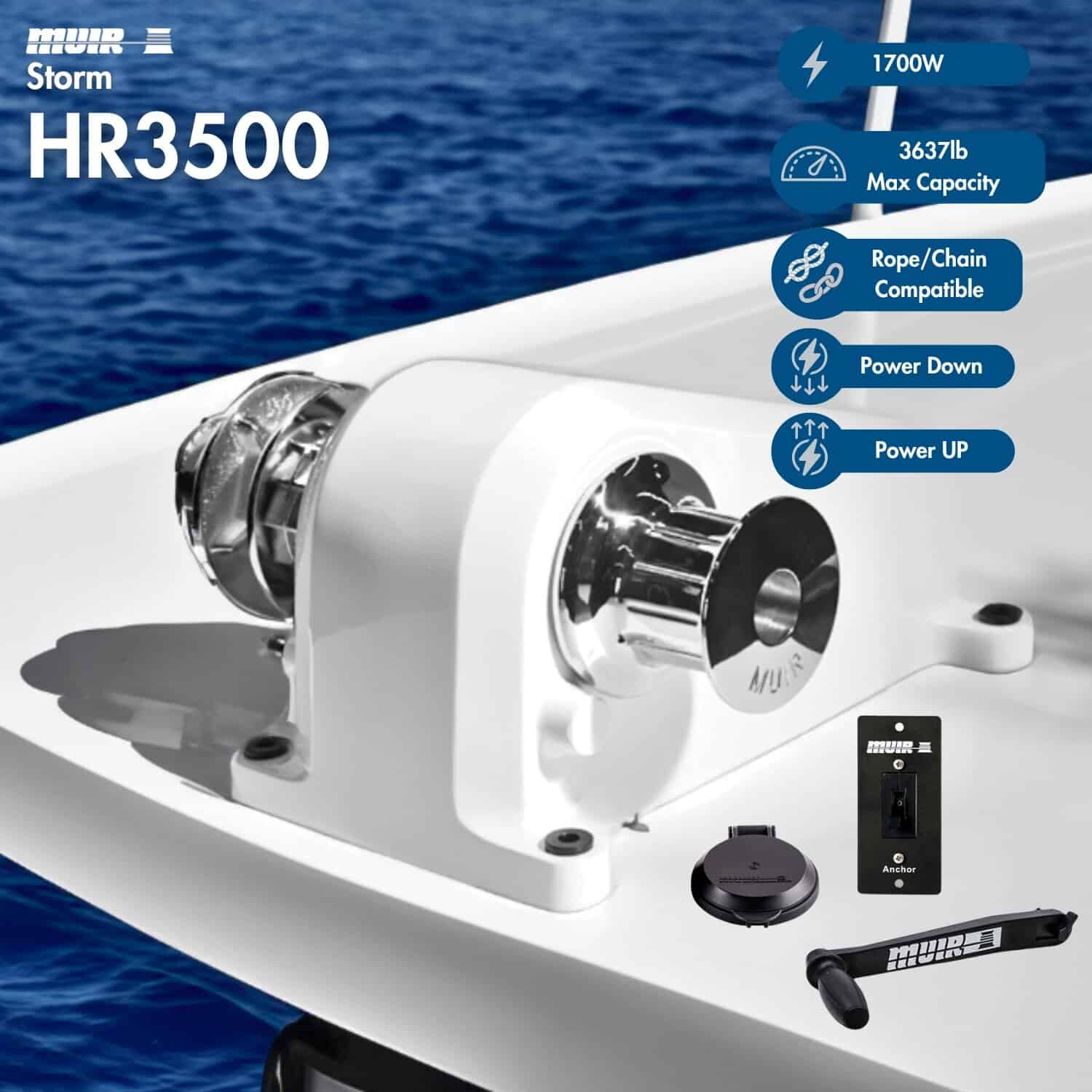
| HR3500 Jaguar | Horizontal | 1,213 lb (550 kg) | 66 ft (20 m) | $5,695.25 |
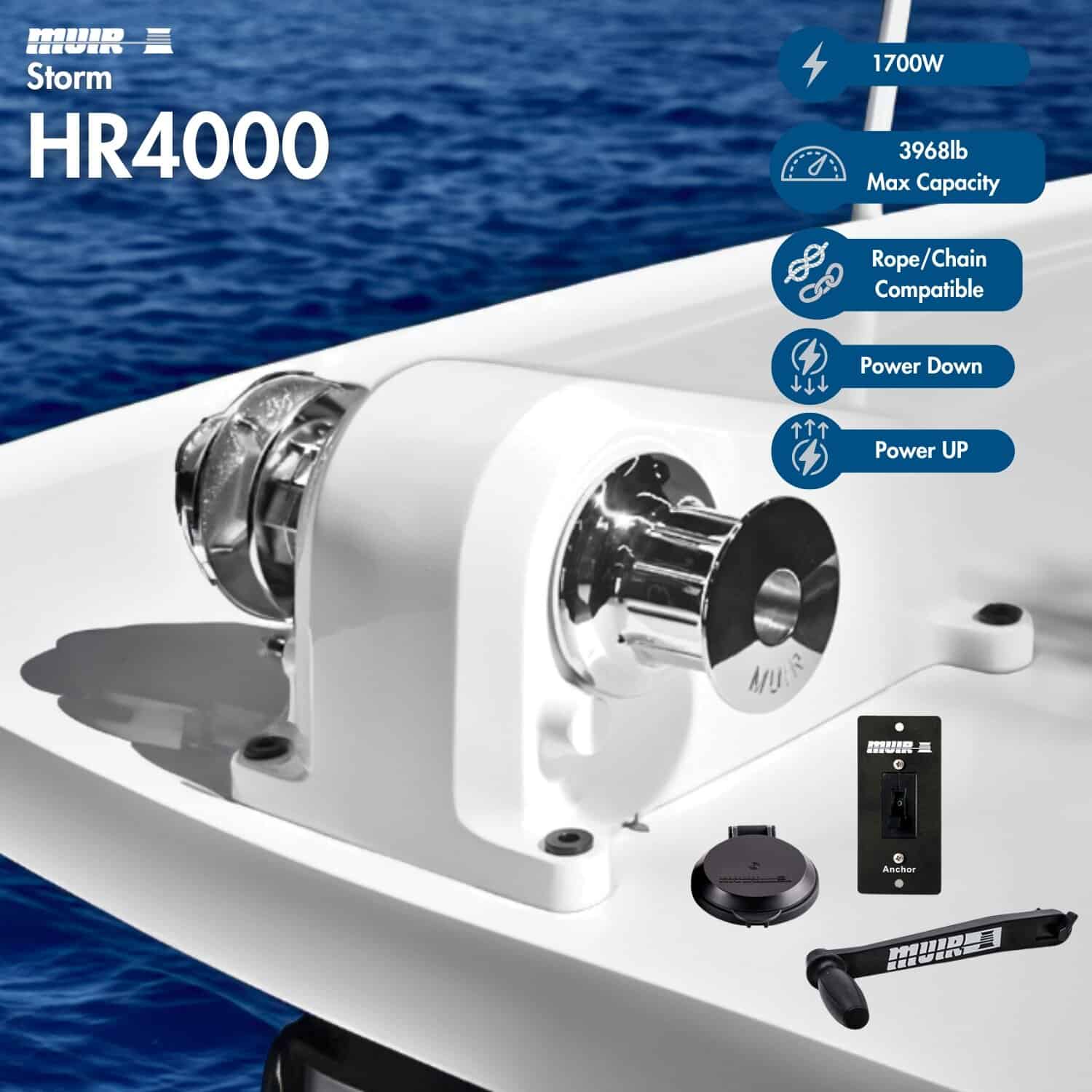
| HR4000 Thor | Horizontal | 1,323 lb (600 kg) | 79 ft (24 m) | $7,595.25 |
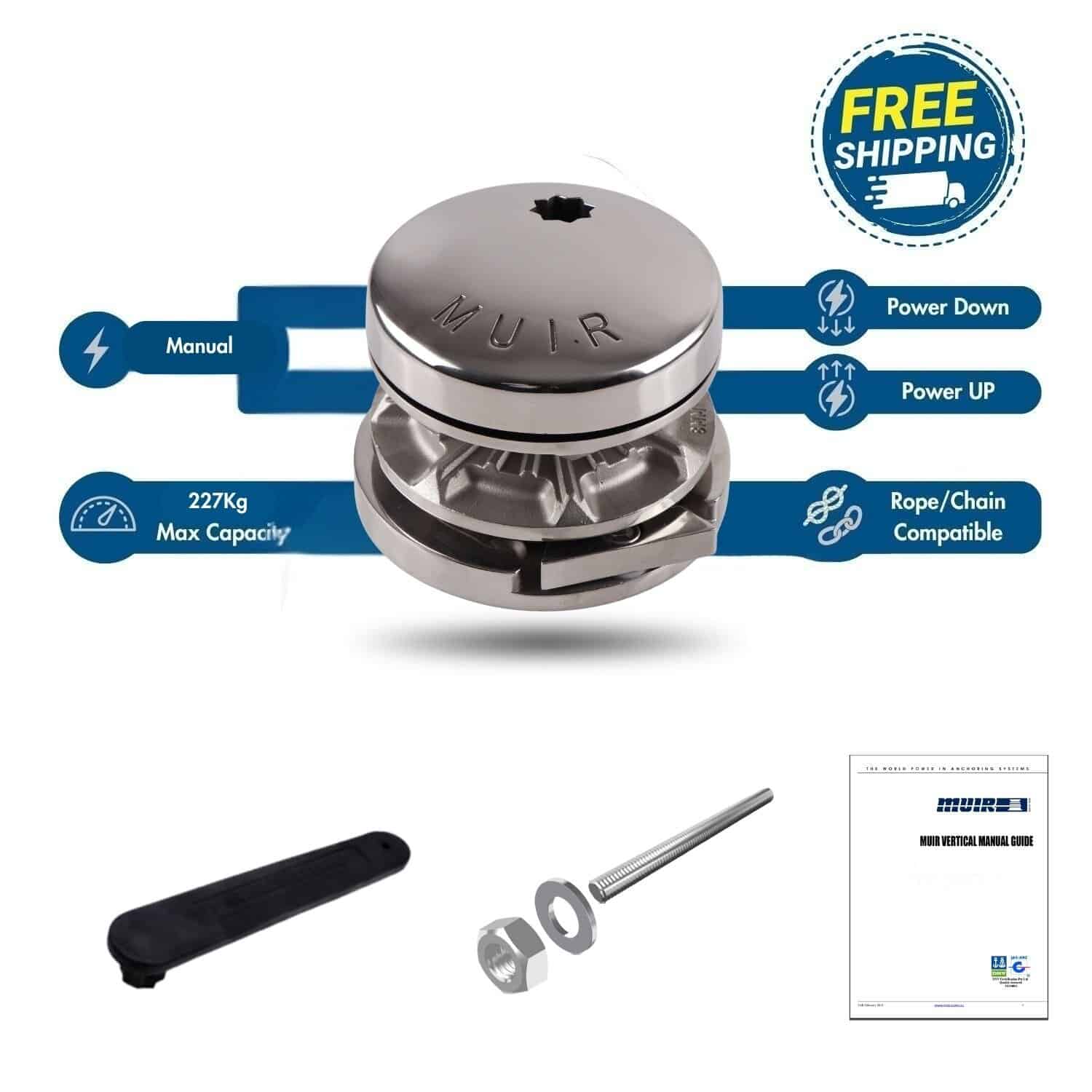
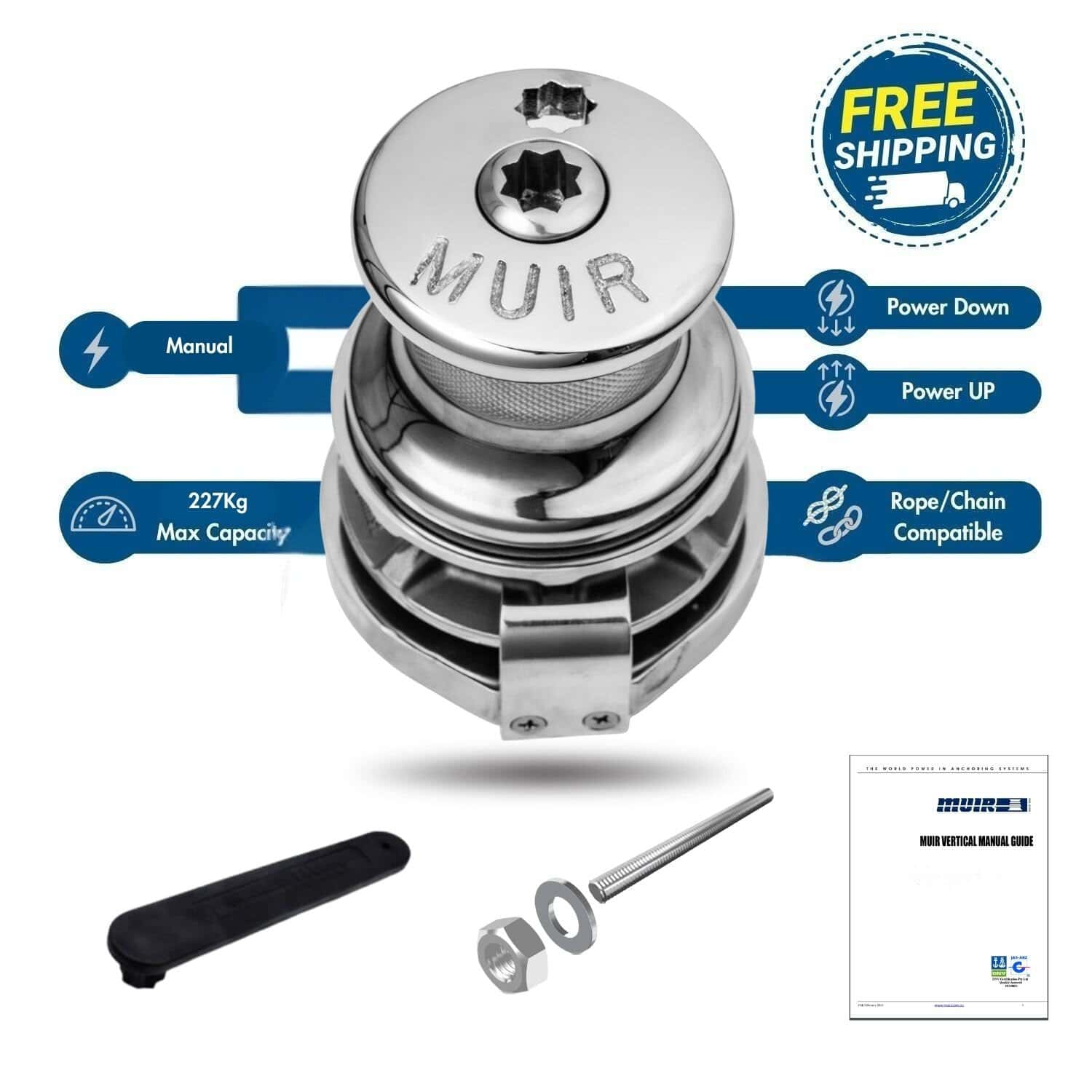
| VM500 | Manual vertical | 500 lb (227 kg) max | 39 ft (12 m) | $988.00 |
Capstan versions of the verticals and horizontals (VRC, HC) add a warping drum for around $100 to $260 depending on model. Free-fall drums (DFF 10, DFF 12, DFF 15) share their power model’s working load and rated length.
Manual is still a real answer under 30 ft
Most guides skip this because there is less margin in it. On a small yacht with a light anchor and no house battery worth the name, a manual windlass is honest engineering: nothing to wire, nothing to corrode, no current draw, and it works with a flat battery.
The VM500 at $988.00 handles up to 500 lb and is rated to 39 ft. The VMC500 at $1,348.00 adds a capstan. Both take 36 cm of chain per turn of the handle, which tells you exactly what you are signing up for. It is work. On a 30 ft boat in a rising wind you will wish it were not.
Buy electric if you anchor often, if you anchor alone, or if you anchor at night. Buy manual if the boat is light and the anchoring is occasional.
What actually comes in the box
A recurring worry in our inbox is that the windlass arrives and then needs several hundred dollars of electrics before it will turn. It does not. Every Muir package includes:
- The winch with the gypsy cut for the chain you specified
- Circuit breaker and mounting panel
- Reversing solenoid kit
- Rocker switch or deck switch, depending on model
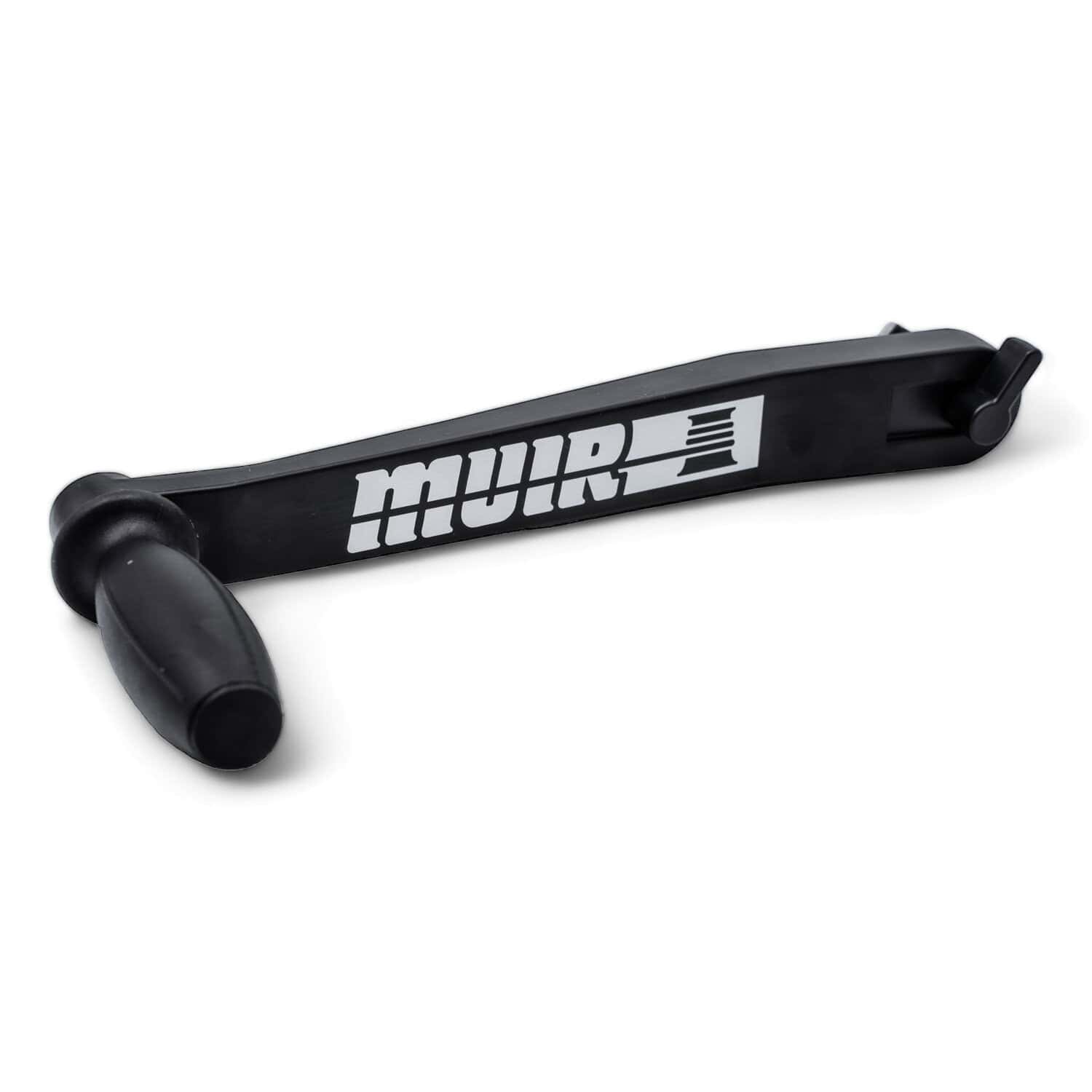
- Deck mounting studs and fasteners, and the clutch handle
- Installation and operation manual
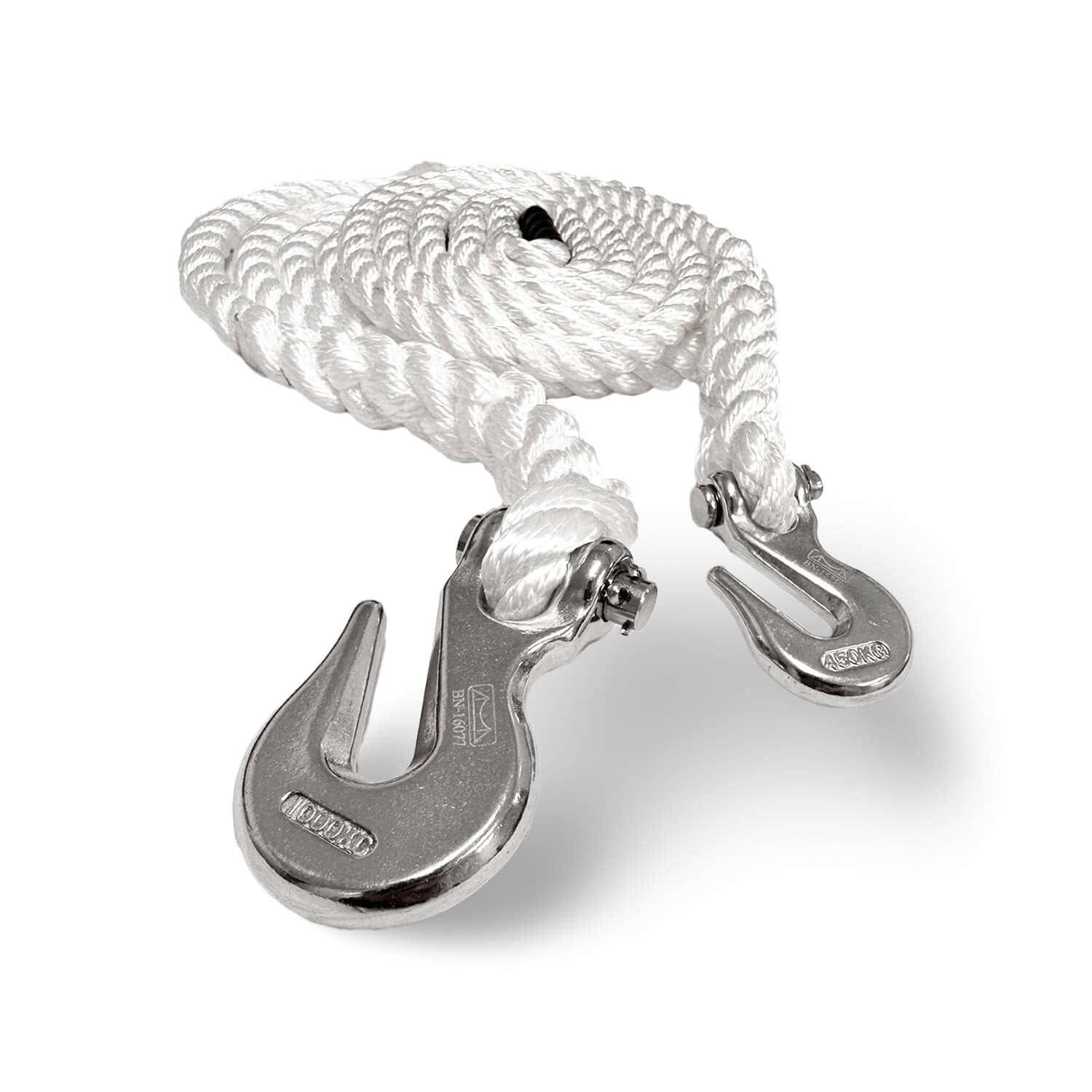
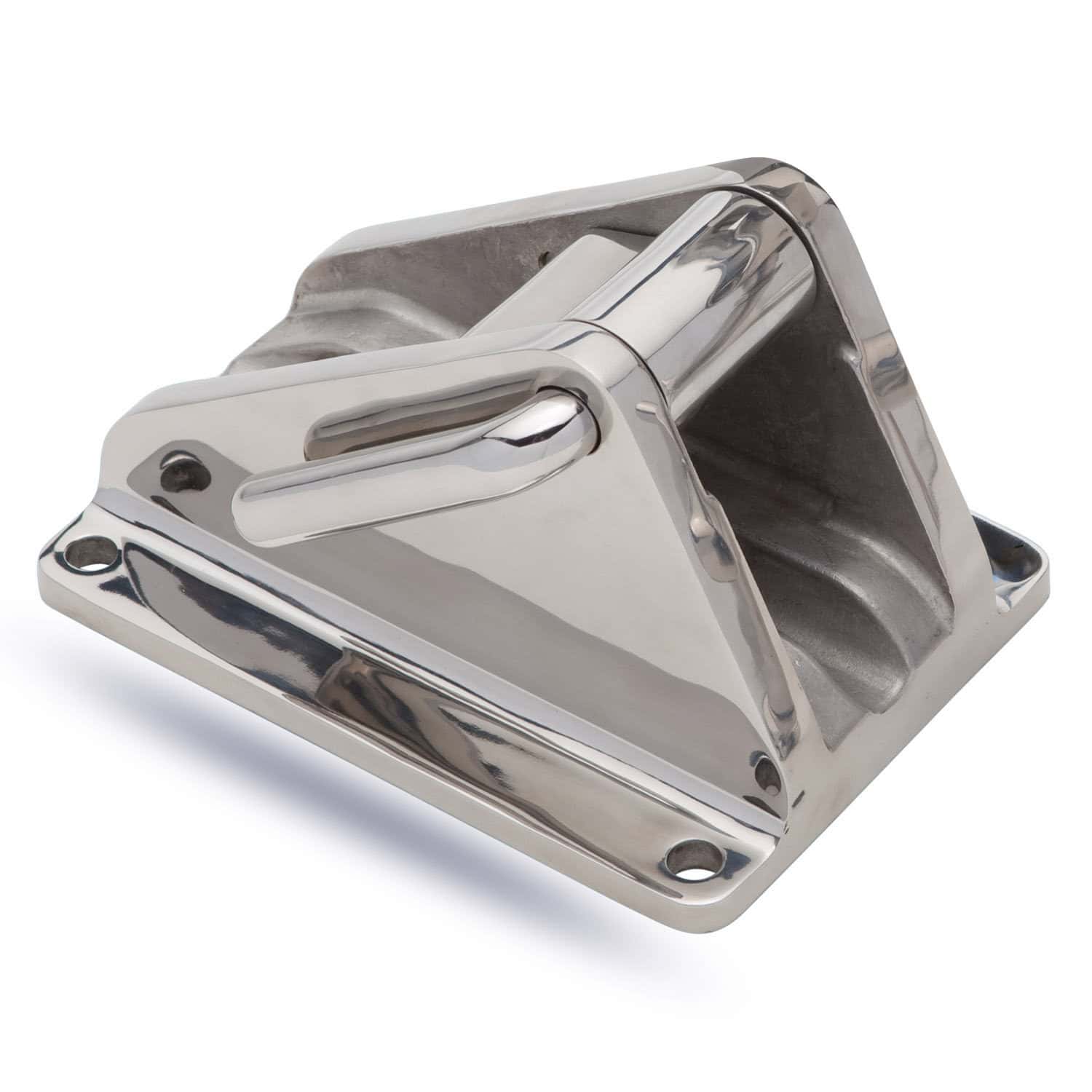
Not included: cable, rope and chain, and a chain stopper or snubber. The last of those is the one people skip, and it is the one that breaks gearboxes. A snubber line kit is $67.00 and a chain stopper is $424.00. Our anchoring accessories guide ranks the rest by what fails first.
Five mistakes that cost real money
- Ordering before measuring the locker. Buy a vertical for a boat with 13 in of fall and you will be shipping it back.
- Sizing on boat length alone. Two 35-footers can need different winches. Weigh the tackle.
- Guessing the chain standard. The gypsy is cut at build. Getting it wrong means buying a new gypsy.
- Sizing cable to the breaker. The breaker protects the circuit. The cable decides whether the motor gets the voltage it needs.
- Leaving the load on the winch overnight. A gearbox lifts an anchor. Holding the boat is a chain stopper’s job.
Frequently asked questions
What size windlass do I need for my boat?
Weigh your anchor and rode, multiply by four, and choose a model whose maximum pull clears that figure with room to spare. A 35 ft boat on 200 ft of 8 mm chain comes to about 928 lb, which the Storm VR850 just covers and the VR1250 covers comfortably. Boat length alone gets you close, but not reliably.
How much anchor locker depth does a windlass need?
A horizontal needs at least 12 in (300 mm) of fall below the gypsy, a vertical at least 16 in (406 mm). Measure to the top of the piled chain, not the locker floor. Less than 12 in and a drum winch is the answer.
Vertical or horizontal?
Locker depth decides it far more often than preference does. If you have 16 in of fall, a vertical gives better chain grip and a cleaner deck. If you do not, a horizontal is the only gypsy winch that will work.
Can I use my existing chain?
Usually, provided you know which standard it is. Metric DIN 766, US BBB and US G4 high test are all sold in nominally the same sizes but differ in pitch, and the gypsy has to match. Send us the chain size and standard and we will confirm the gypsy before the order goes in.
Do I need a manual override?
It is worth having on a cruising boat. Muir includes one on the Cougar and larger horizontals. On a vertical you release the clutch with the handle and the anchor free-falls, which serves the same purpose if you are prepared for it.
Is a bigger windlass always better?
Sizing up one model is sensible insurance. Sizing up three is not. A larger winch draws more current, needs heavier cable and a bigger breaker, weighs more on the bow and costs more to fit. Choose the smallest model that clears your calculated load with headroom.
Do I need a chain counter?
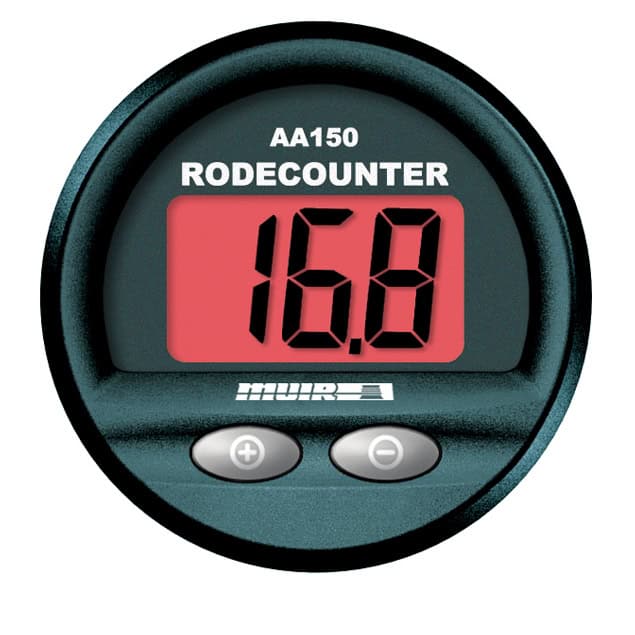
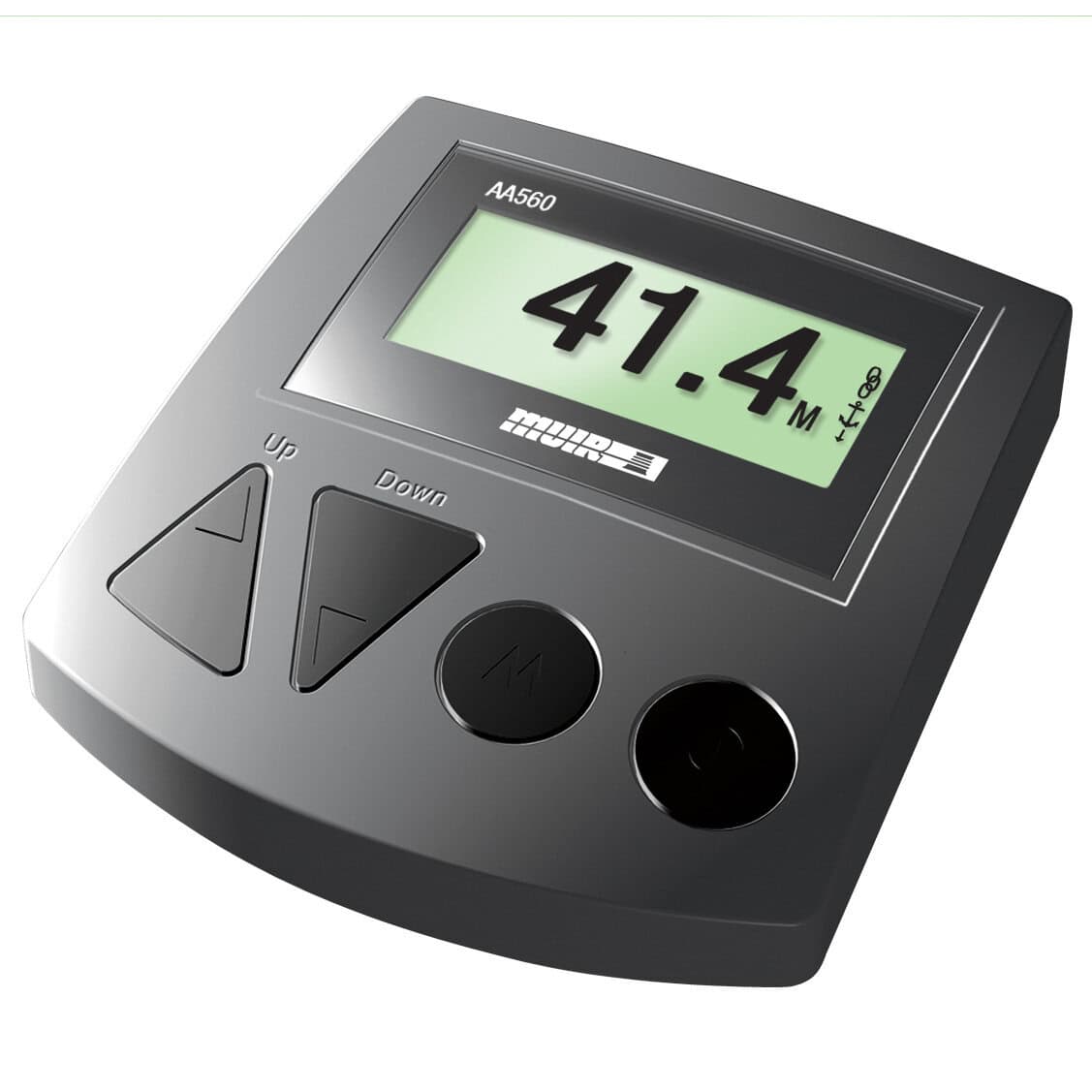
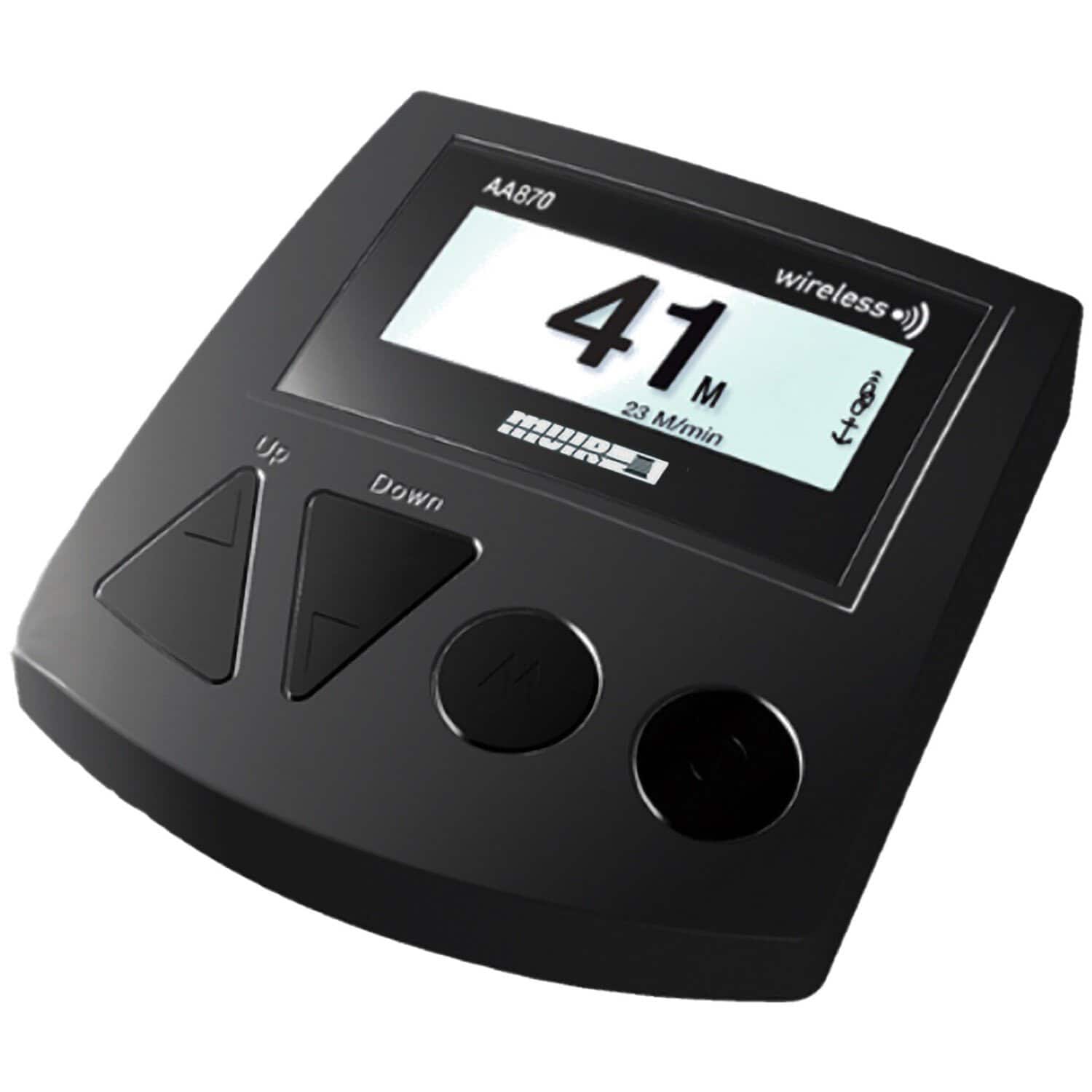
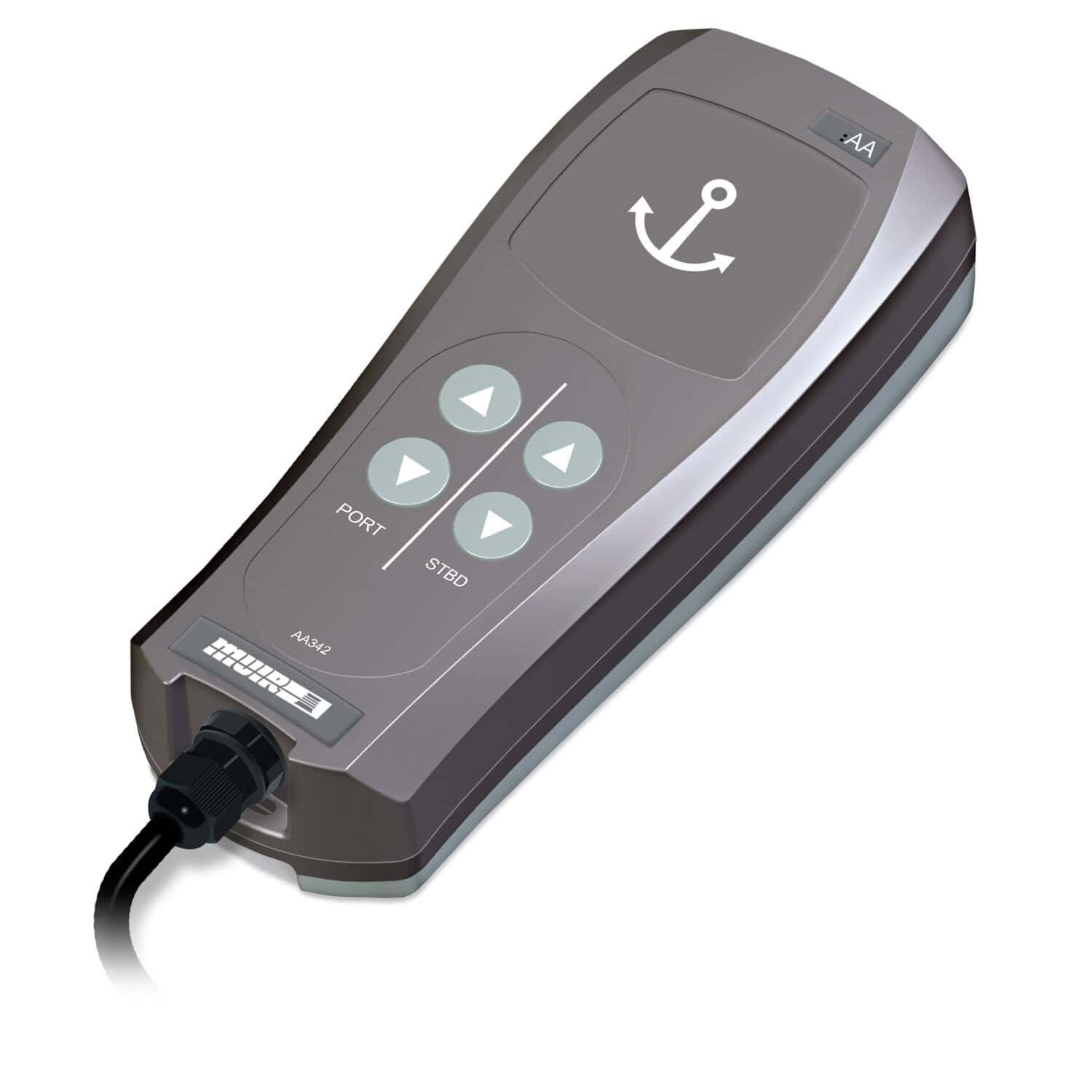
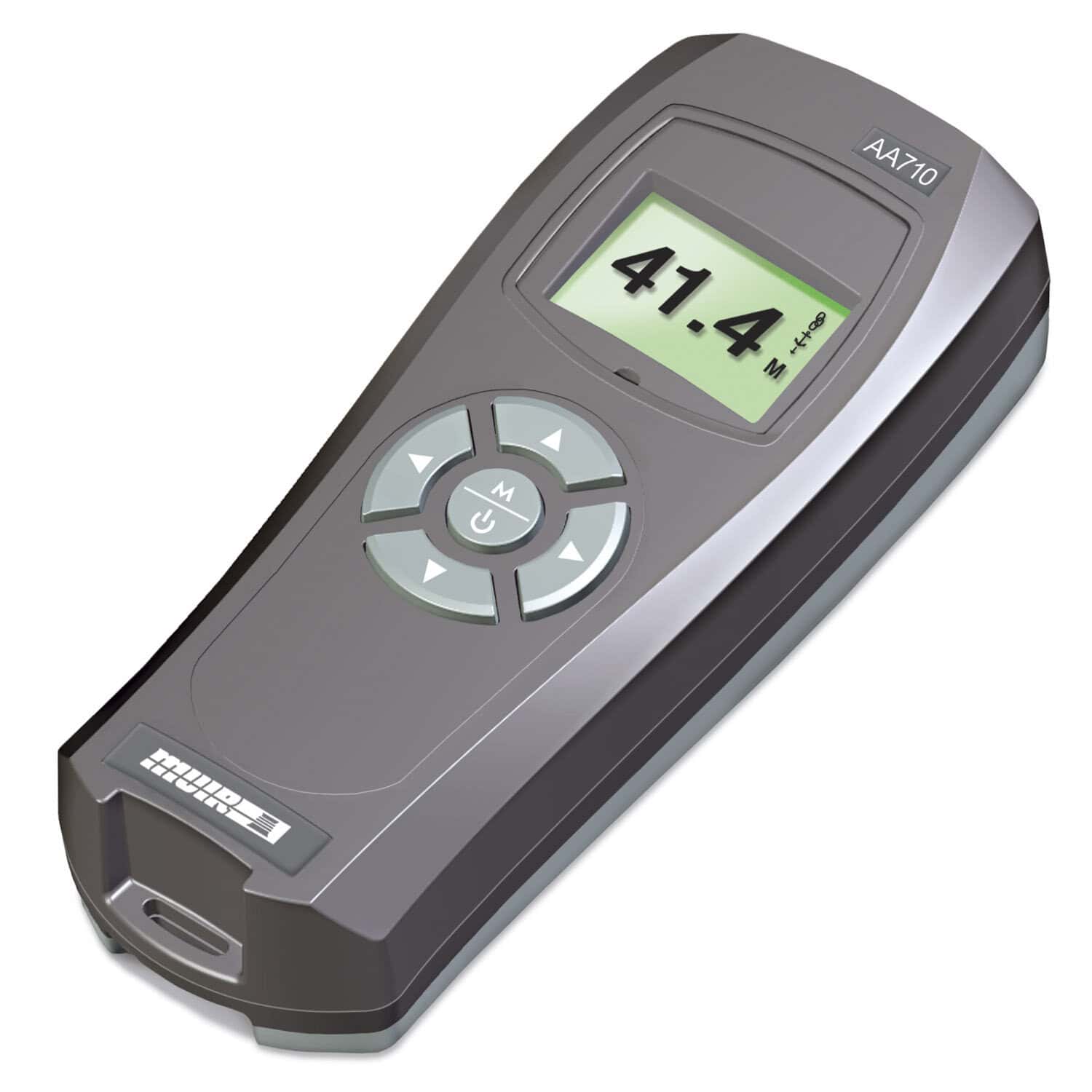
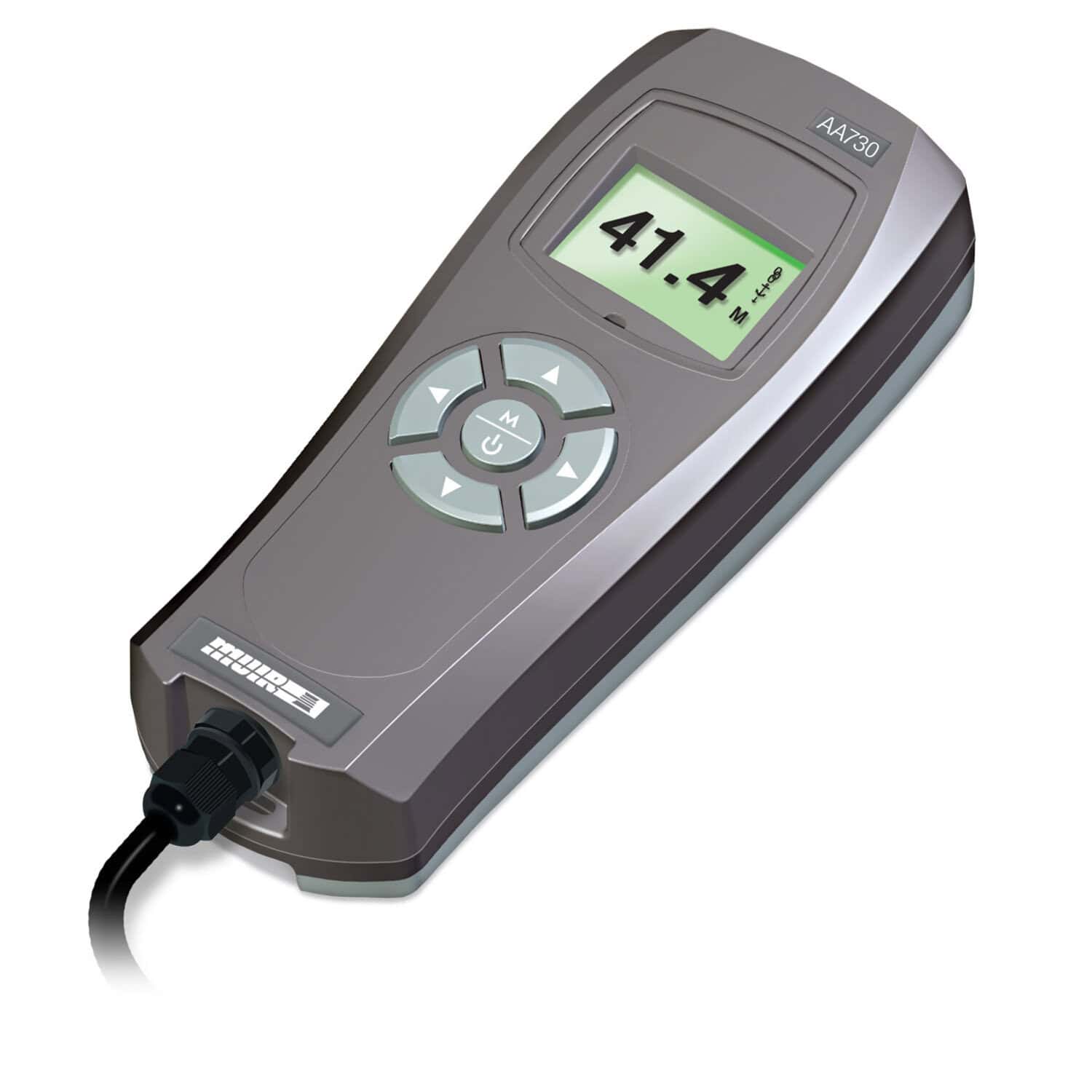
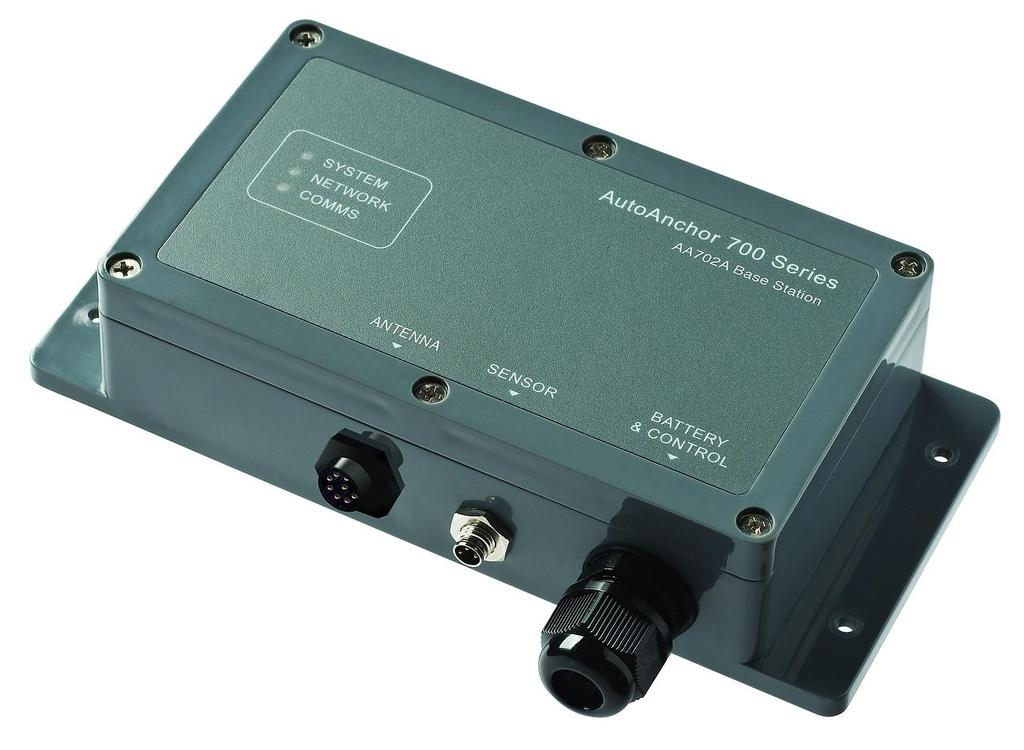
Scope is a ratio, so it only works if you know how much rode is out. Every model above the DW 06 is Auto Anchor compatible, and the counter can be added later on an existing winch.
How long does a windlass last?
Longer than the boat, if it is sized correctly and never used as a cleat. Most failures we see are gearboxes that spent years holding a boat at anchor instead of lifting one, which is a $67.00 snubber’s worth of prevention.
Related guides
Stay Updated
Get the latest guides, tips, and product updates delivered to your inbox.