




Five Anchoring Accessories, Ranked by What Fails First

Five Anchoring Accessories
A windlass is the expensive part of an anchoring system, but it is not the part that usually fails. The rode, the load path and the controls are. These five accessories are ordered by what goes wrong first.
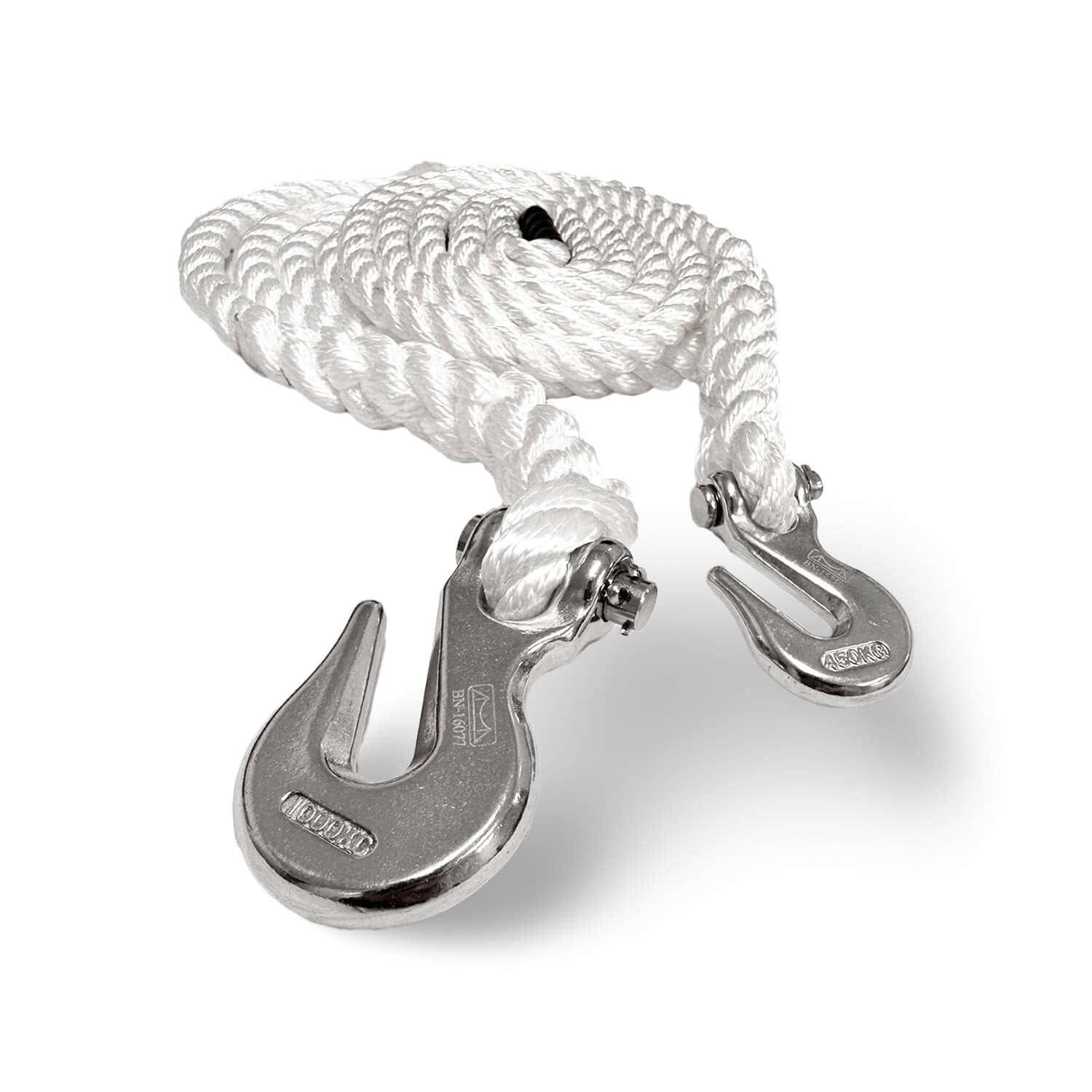 Fixes the commonest mistakeSnubber line kit$67.00
Takes the load off the winch the moment you are anchored. The cheapest thing on this page and the one that saves the most expensive one.
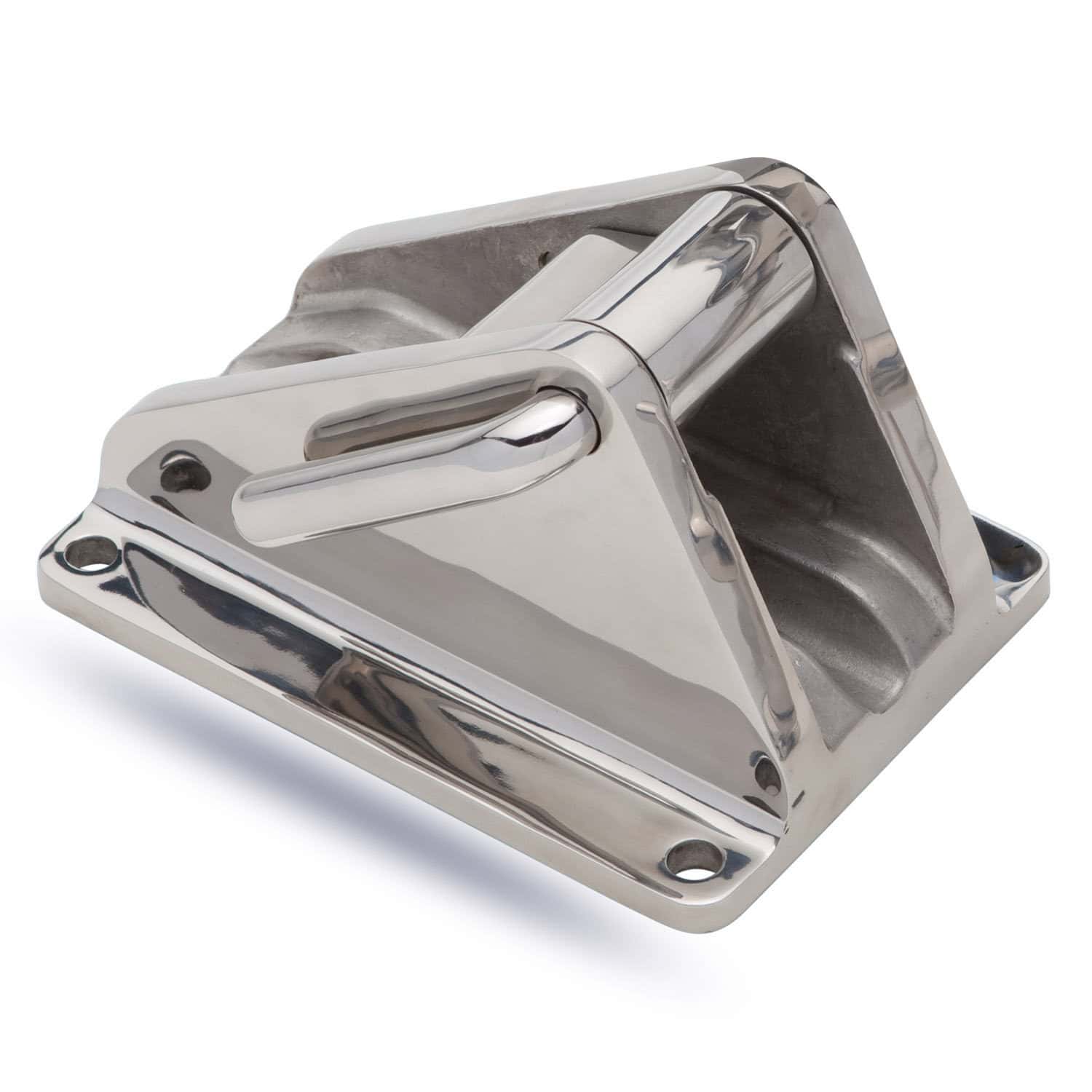 The permanent versionChain stopper$424.00
A locking arm that holds the chain mechanically. What you fit if you anchor often, or overnight, or anywhere with swell.
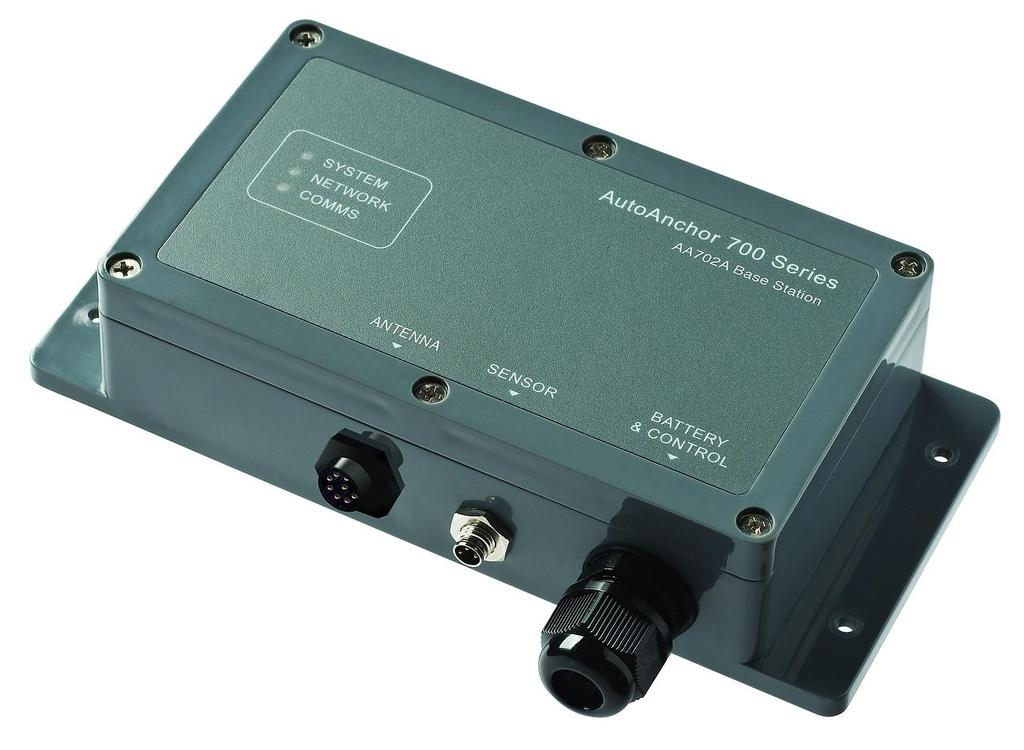
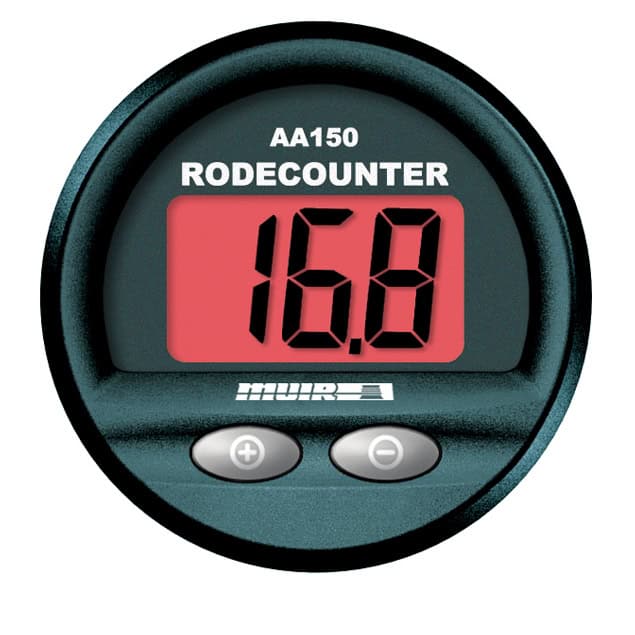 Ends the guessworkRode counterFrom $462.00
Scope is a ratio, so it only works if you know how much you have out. A counter turns that from a guess into a number.
1. Something to take the load off the winch
Start here, because this is the mistake that costs the most money. A windlass gearbox is built to lift an anchor. It is not built to hold a boat in place for eight hours while the wind gets up.
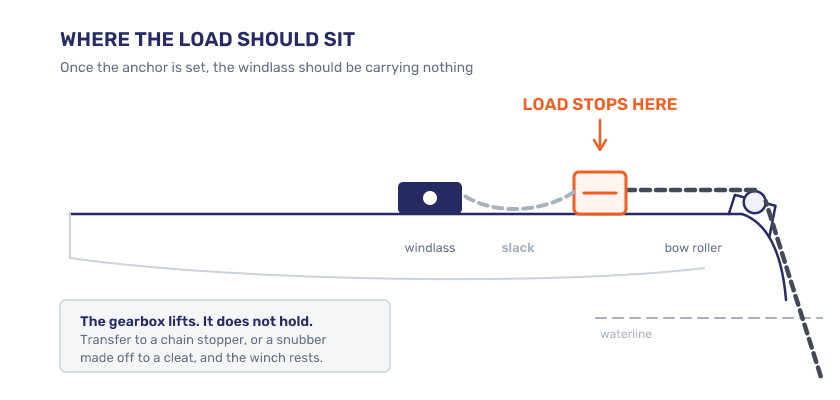
Two ways to do it. A snubber line kit at $67.00 is a nylon line with a chain hook: clip it on, make it off to a cleat, then pay out a little chain so the snubber takes the strain. The nylon stretch also absorbs the shock loads that come with chop, which chain does not.
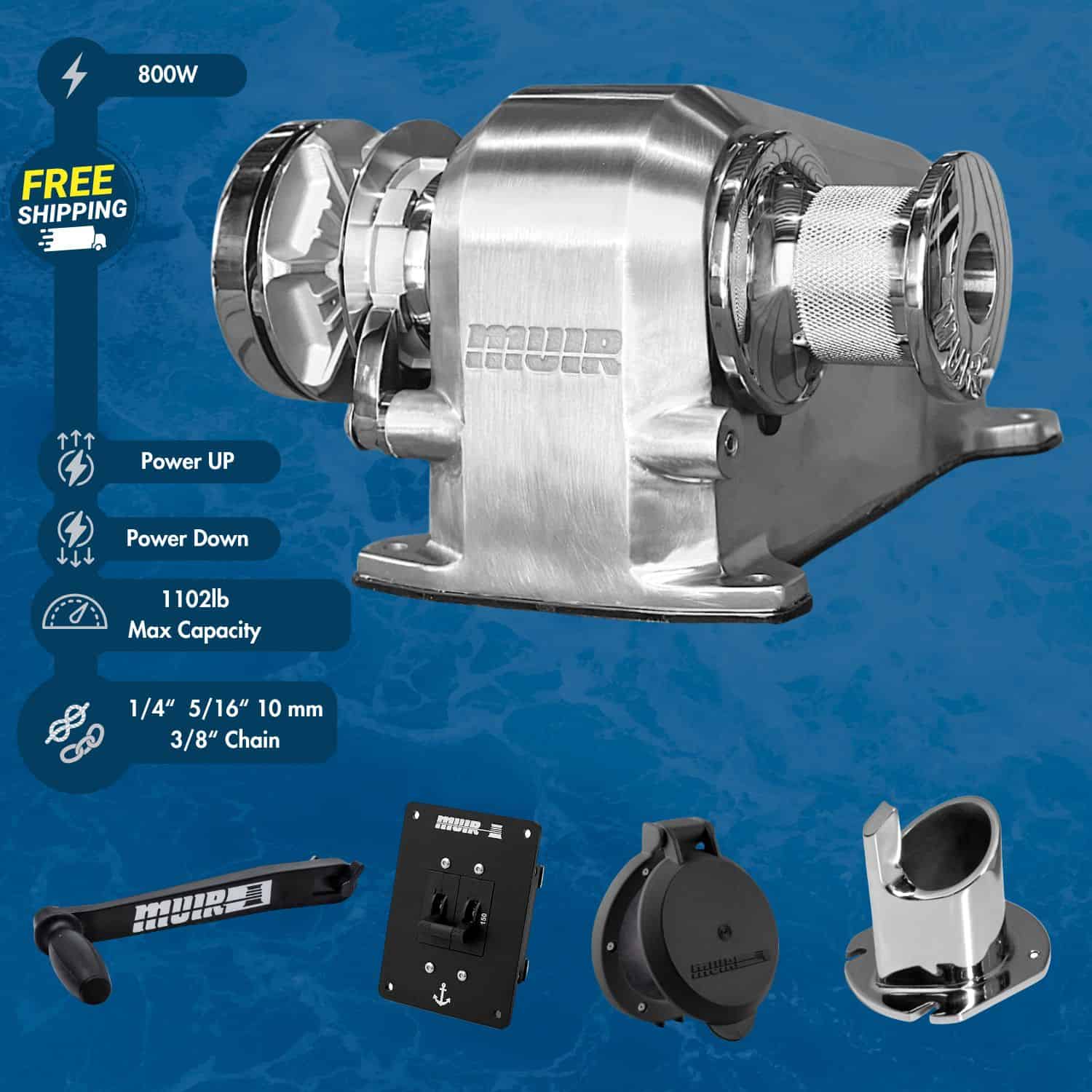
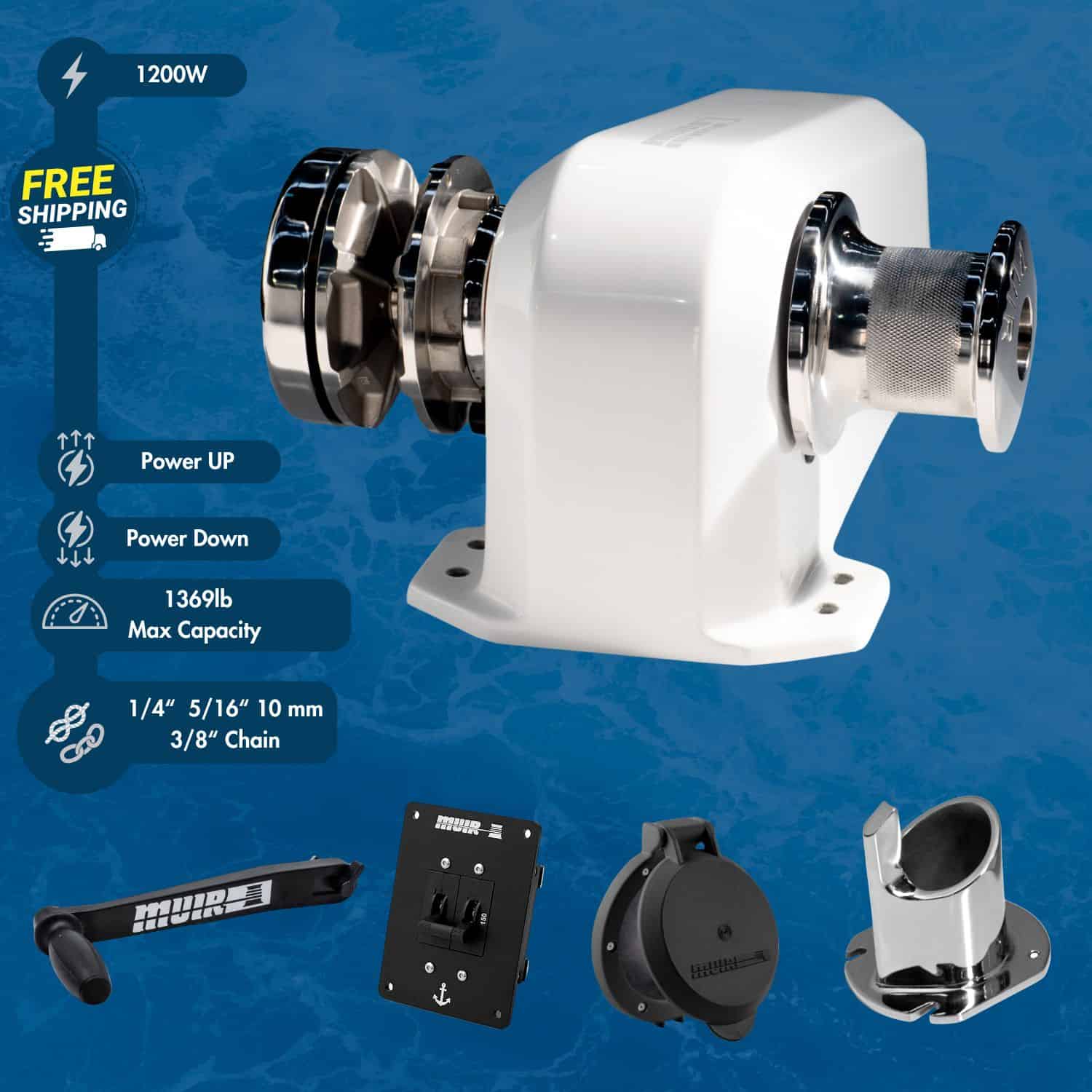
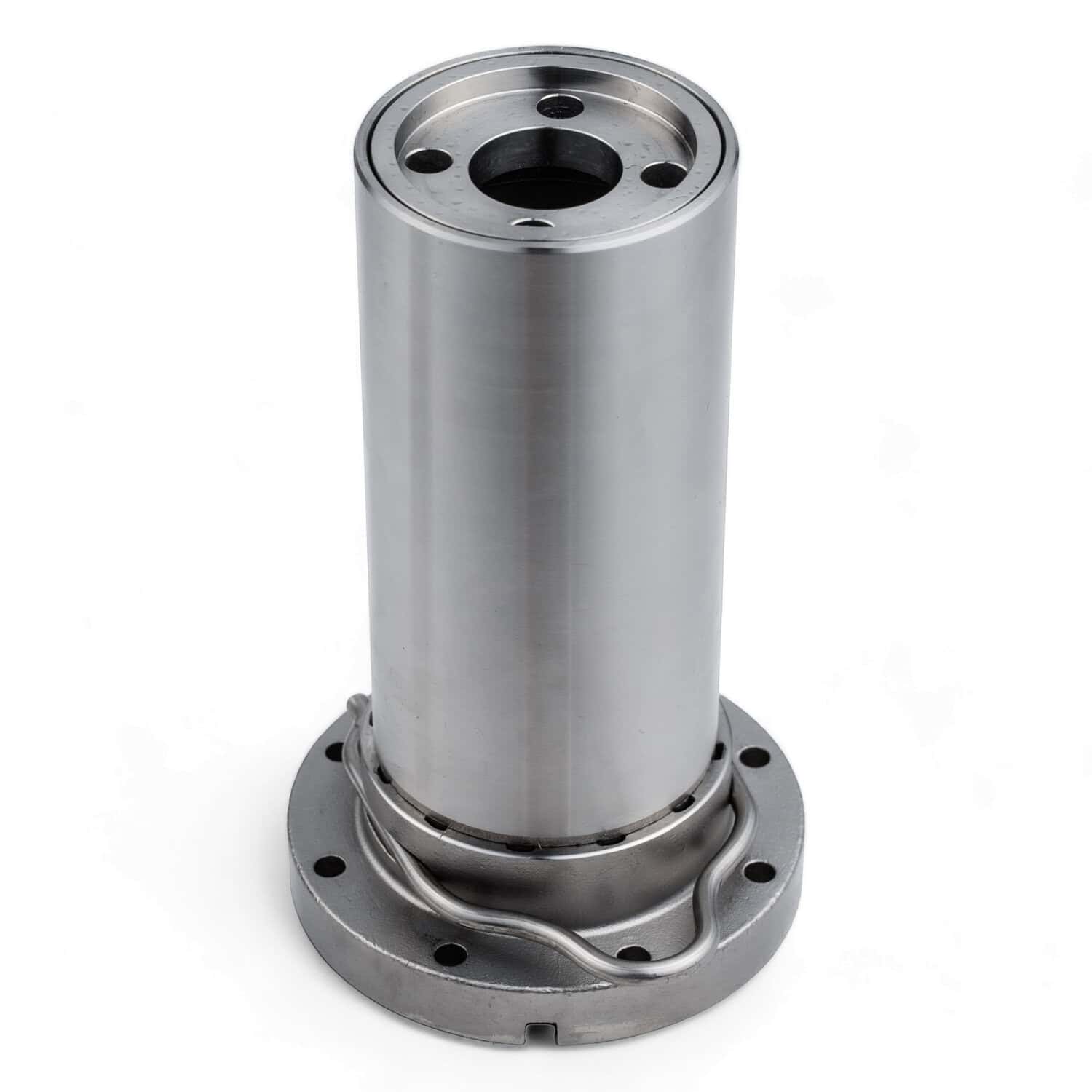
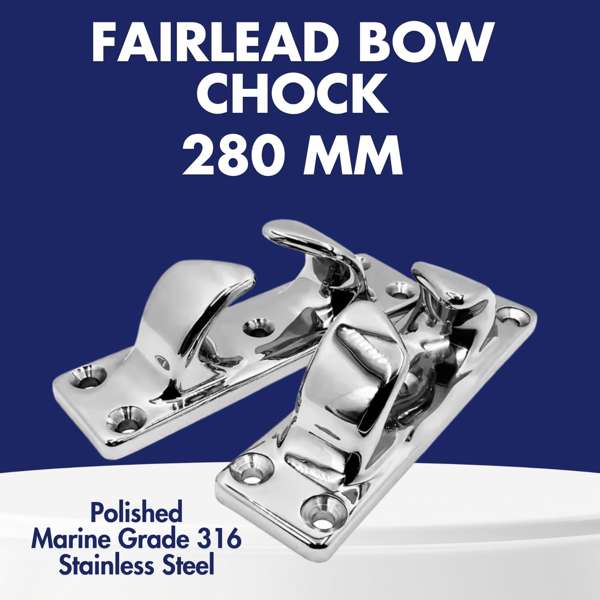
A chain stopper at $424.00 is the permanent fitting: a locking arm on deck between the roller and the winch that holds the chain mechanically. If you anchor regularly, fit one and use the snubber as well.
2. The rode itself
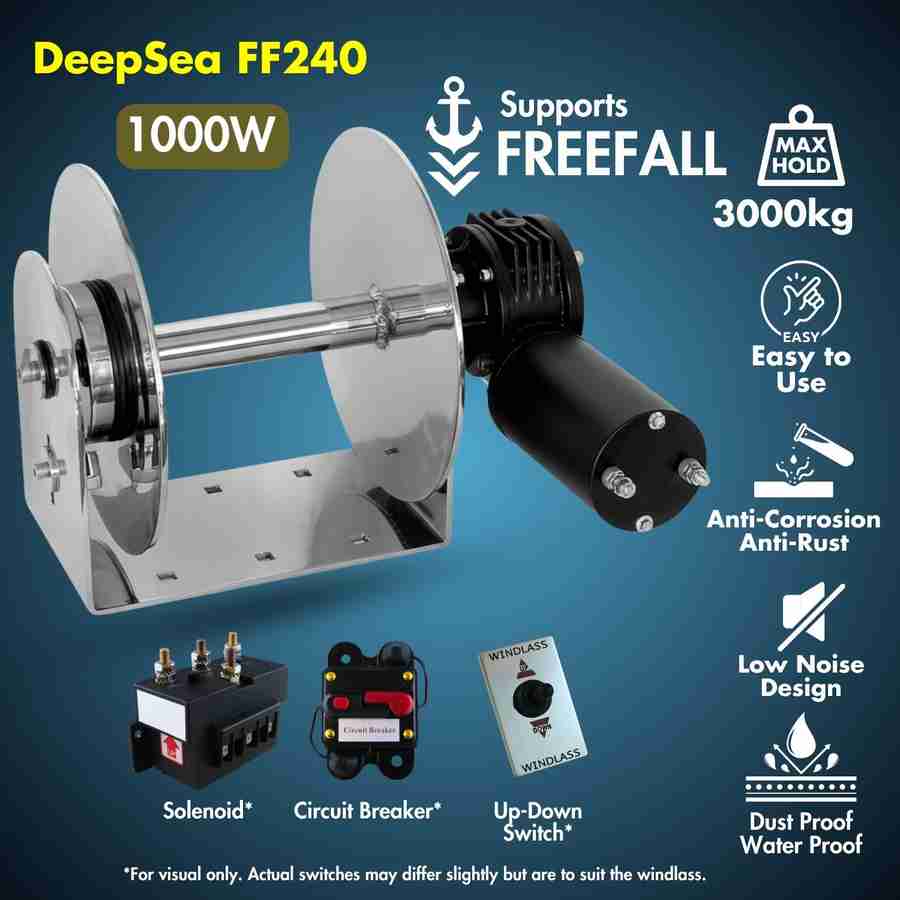
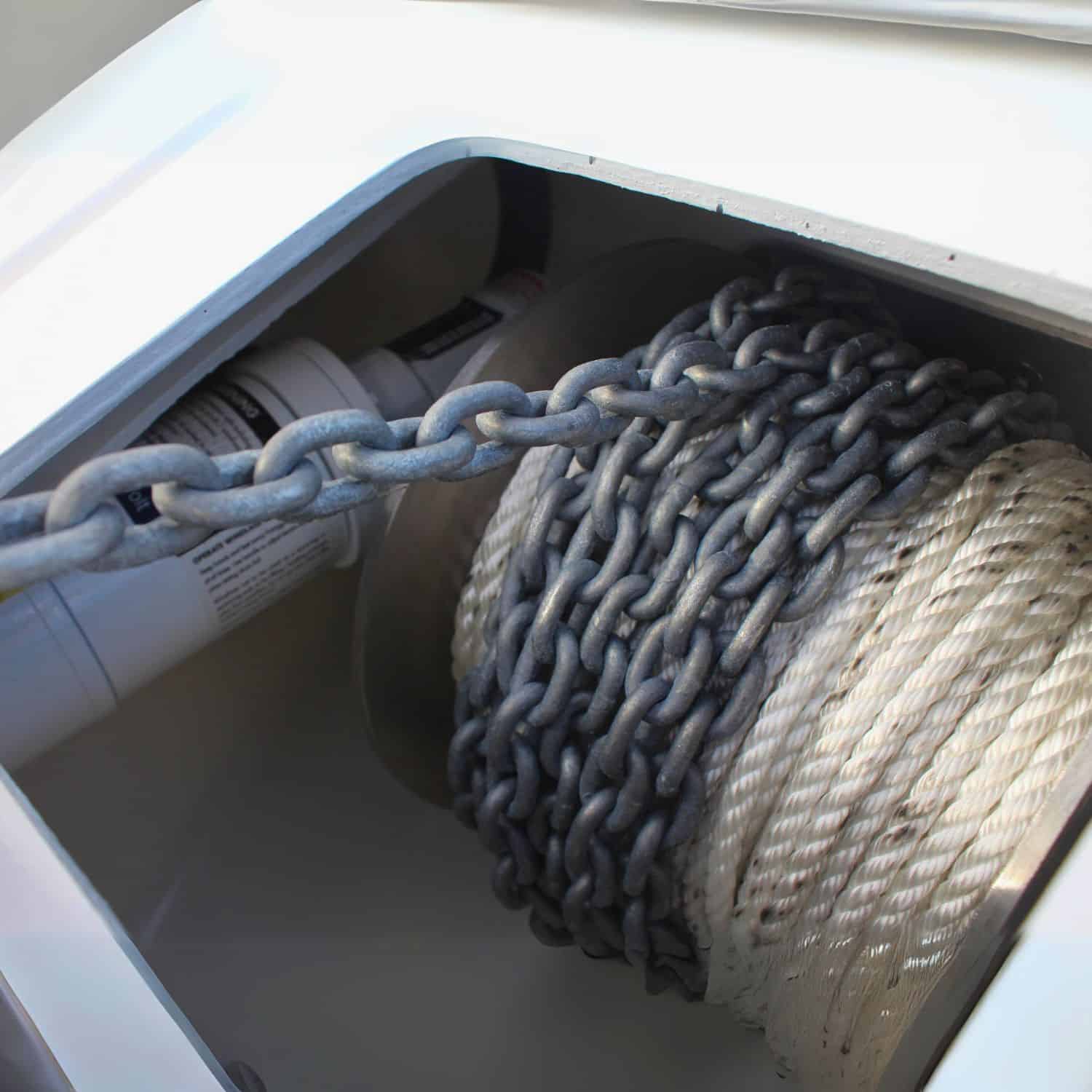
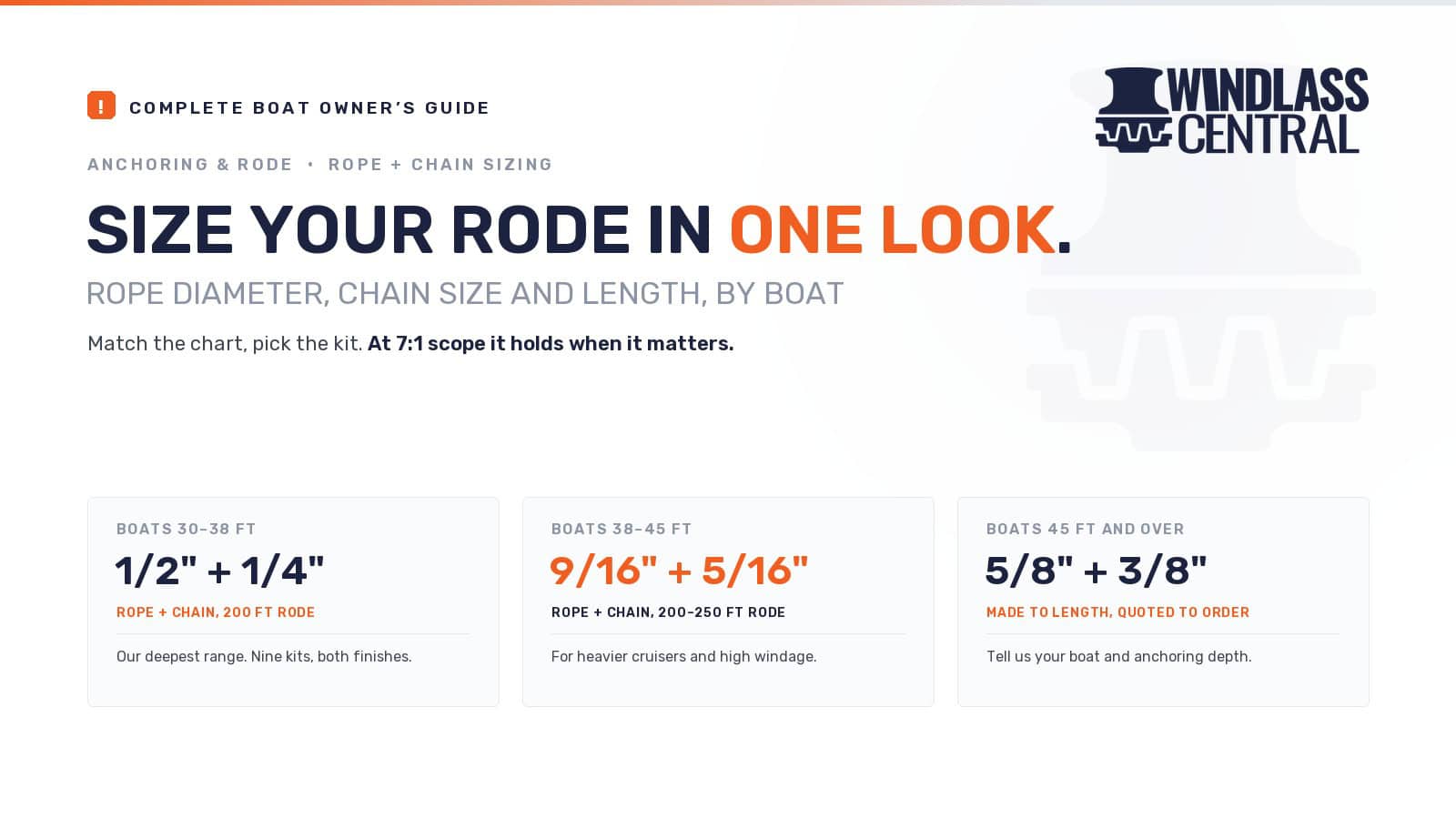
The winch is only as good as what runs through it. Chain that does not match the gypsy will skip no matter how good the windlass is, and a rode that is too short leaves you unable to set proper scope.
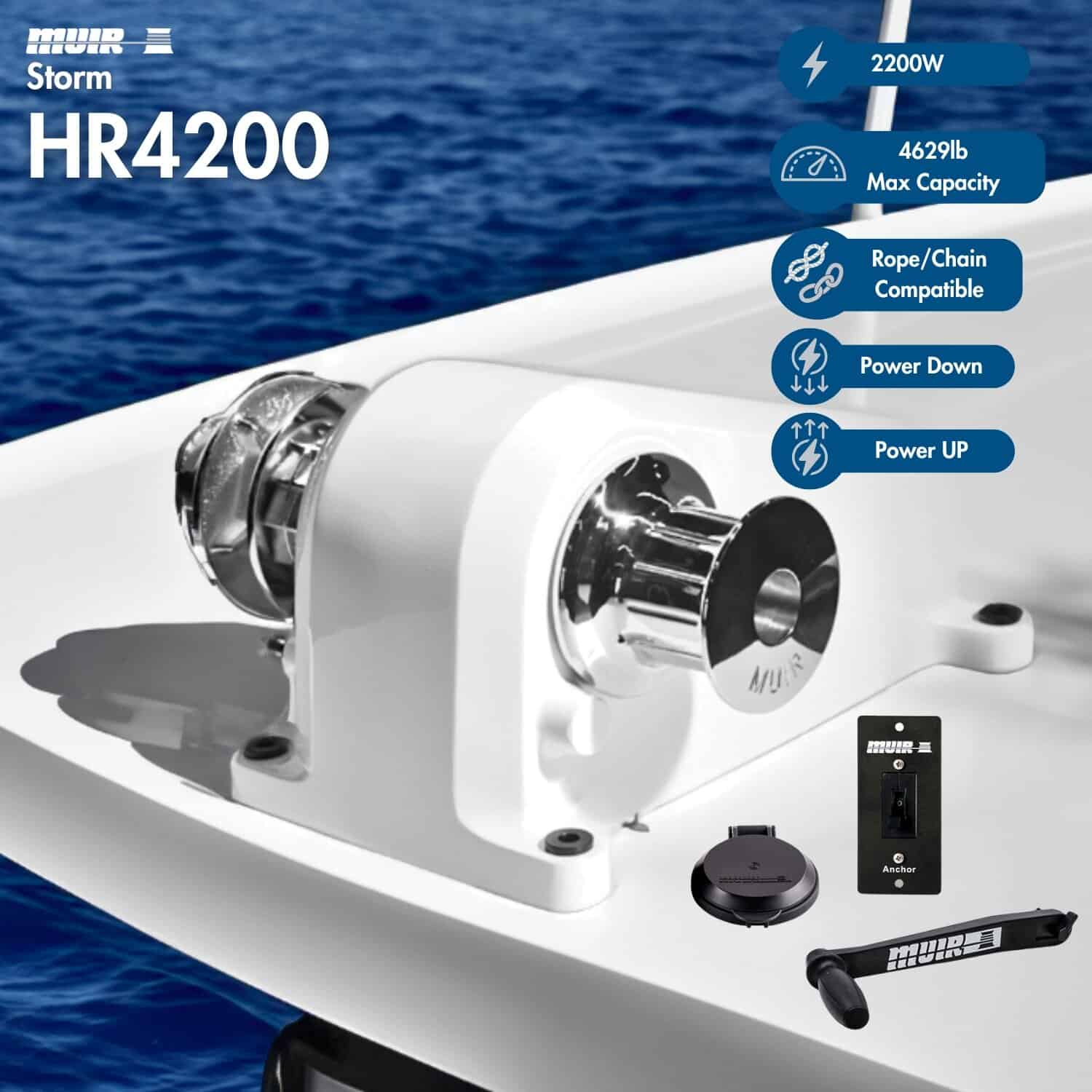
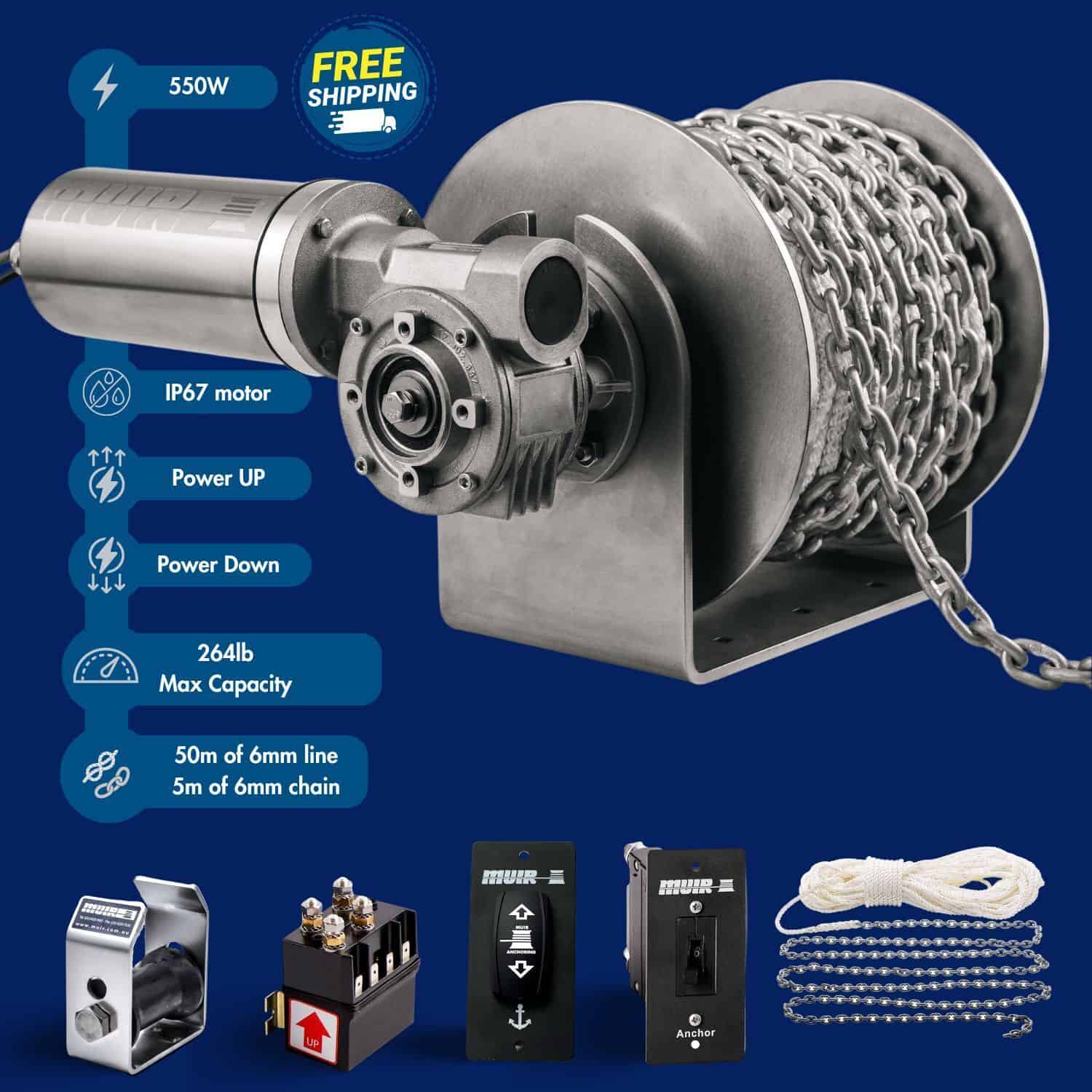
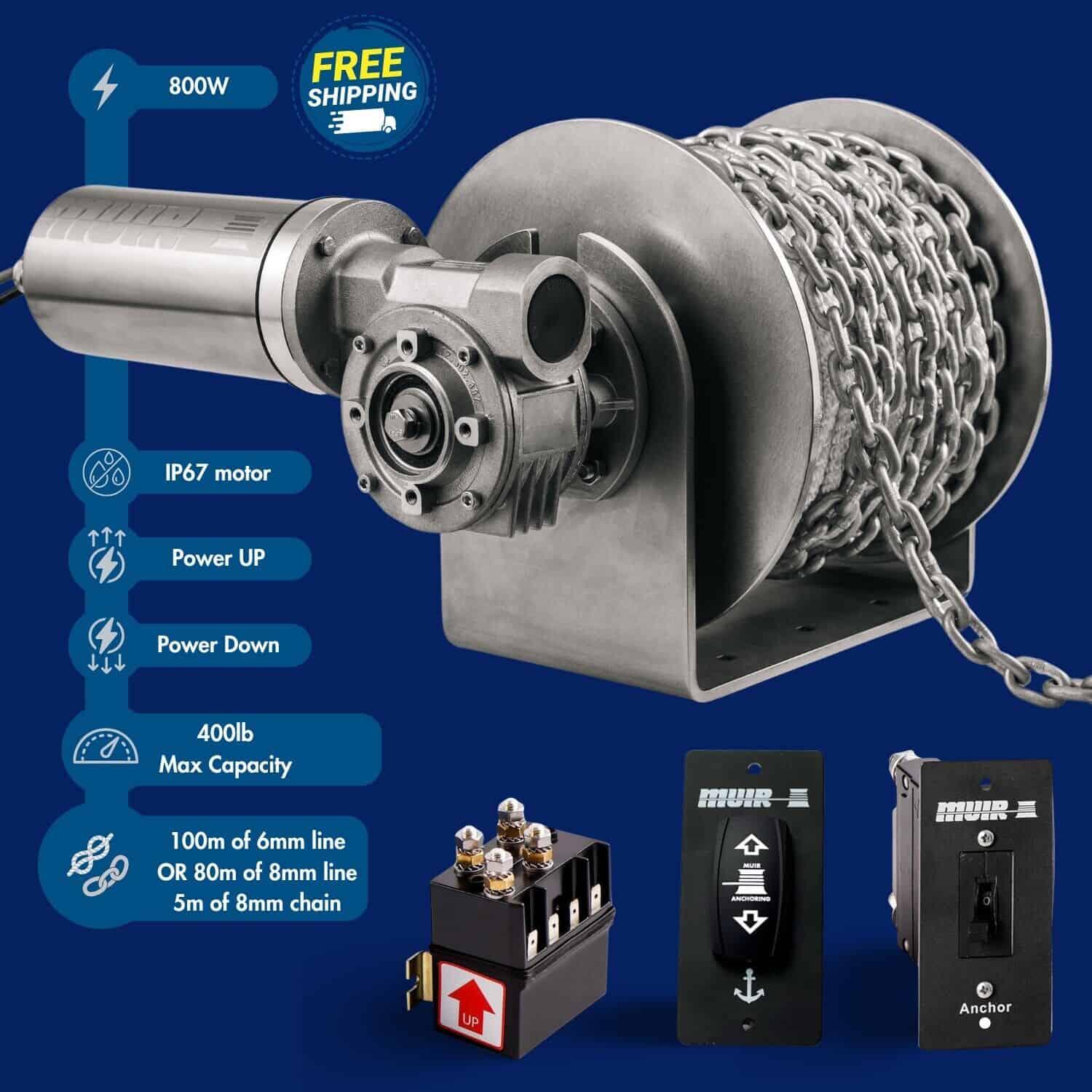
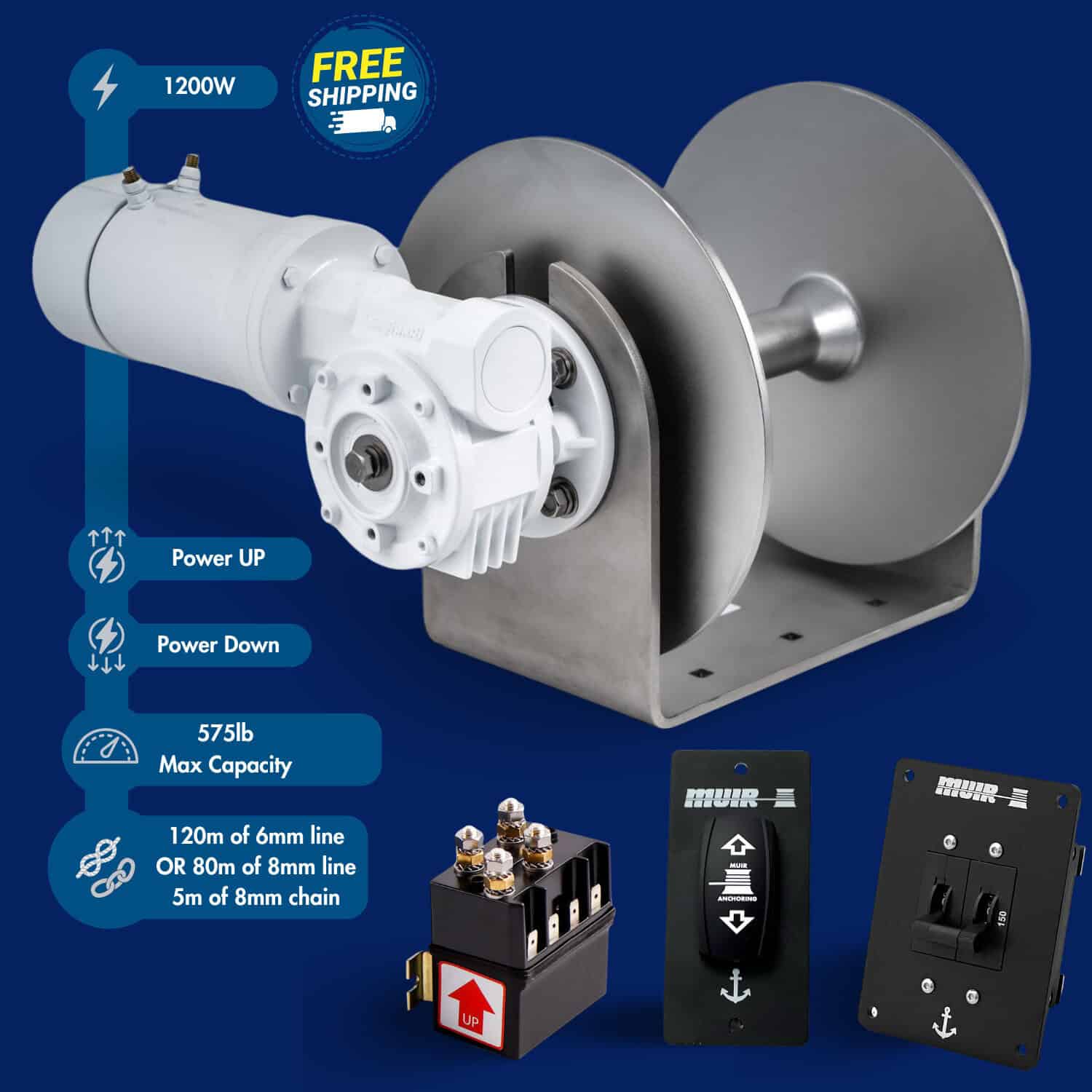
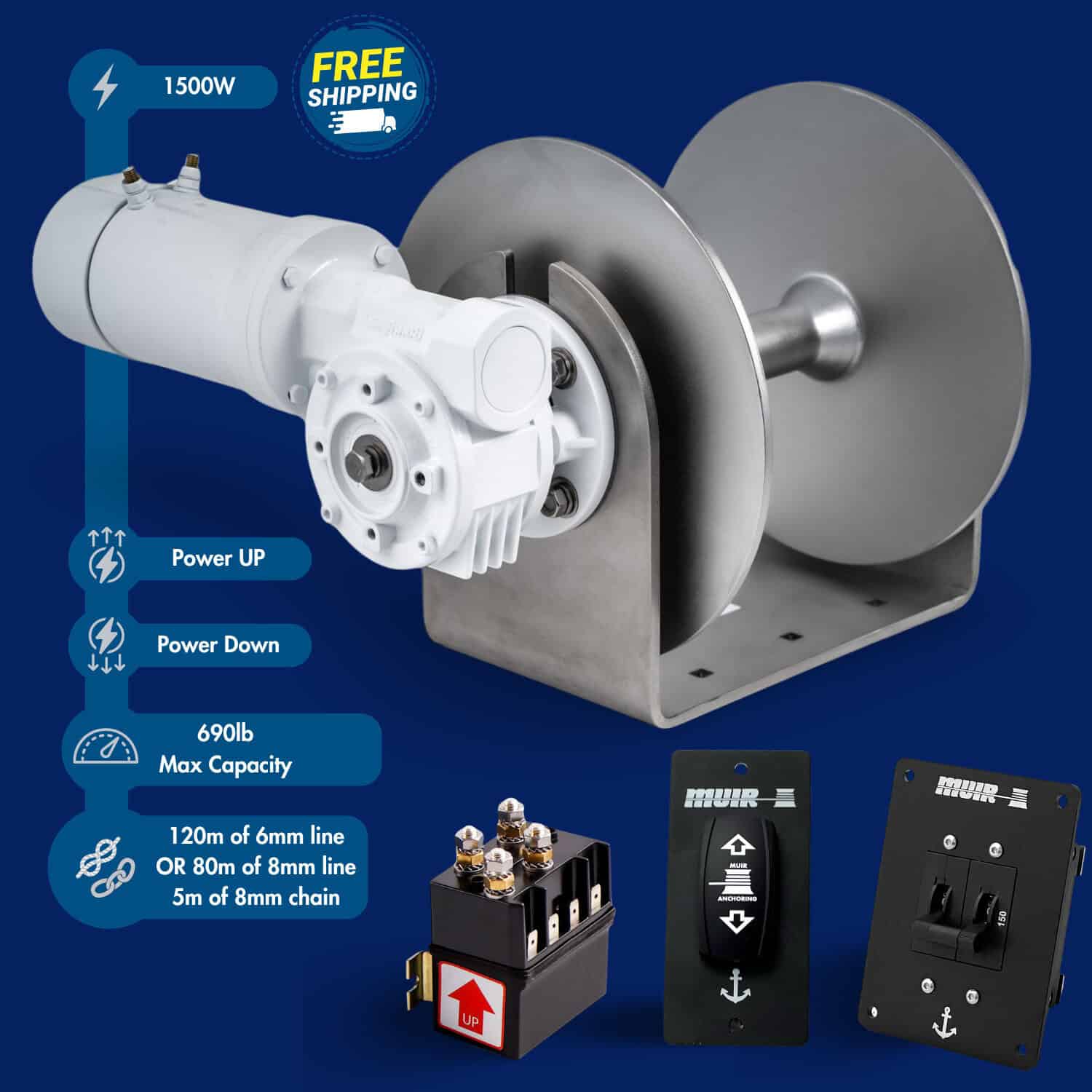
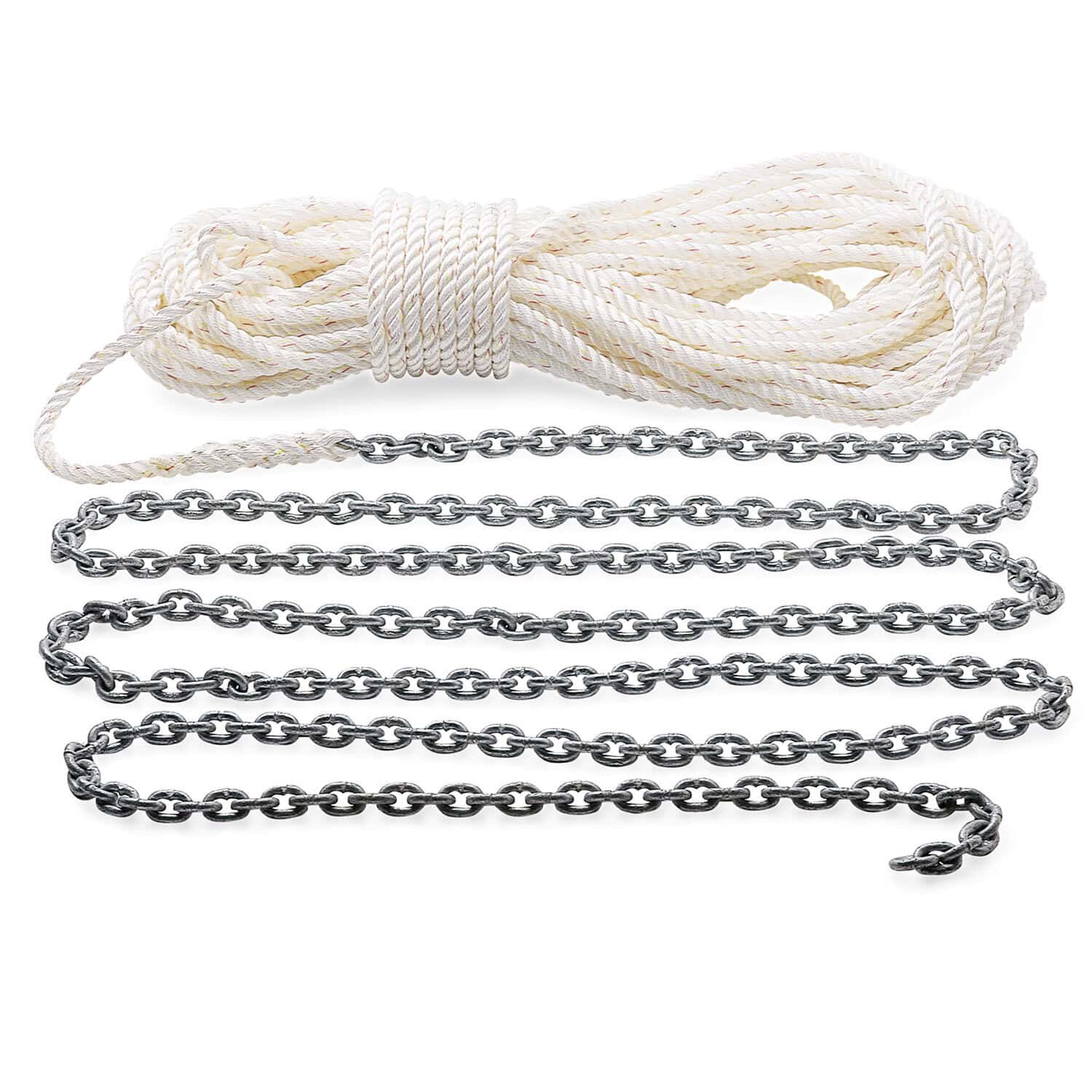
- Drum winch rope-chain kits, from $123.00. Spliced and ready, sized per model.
- Windlass rope-chain kits, $548.00, for gypsy windlasses.
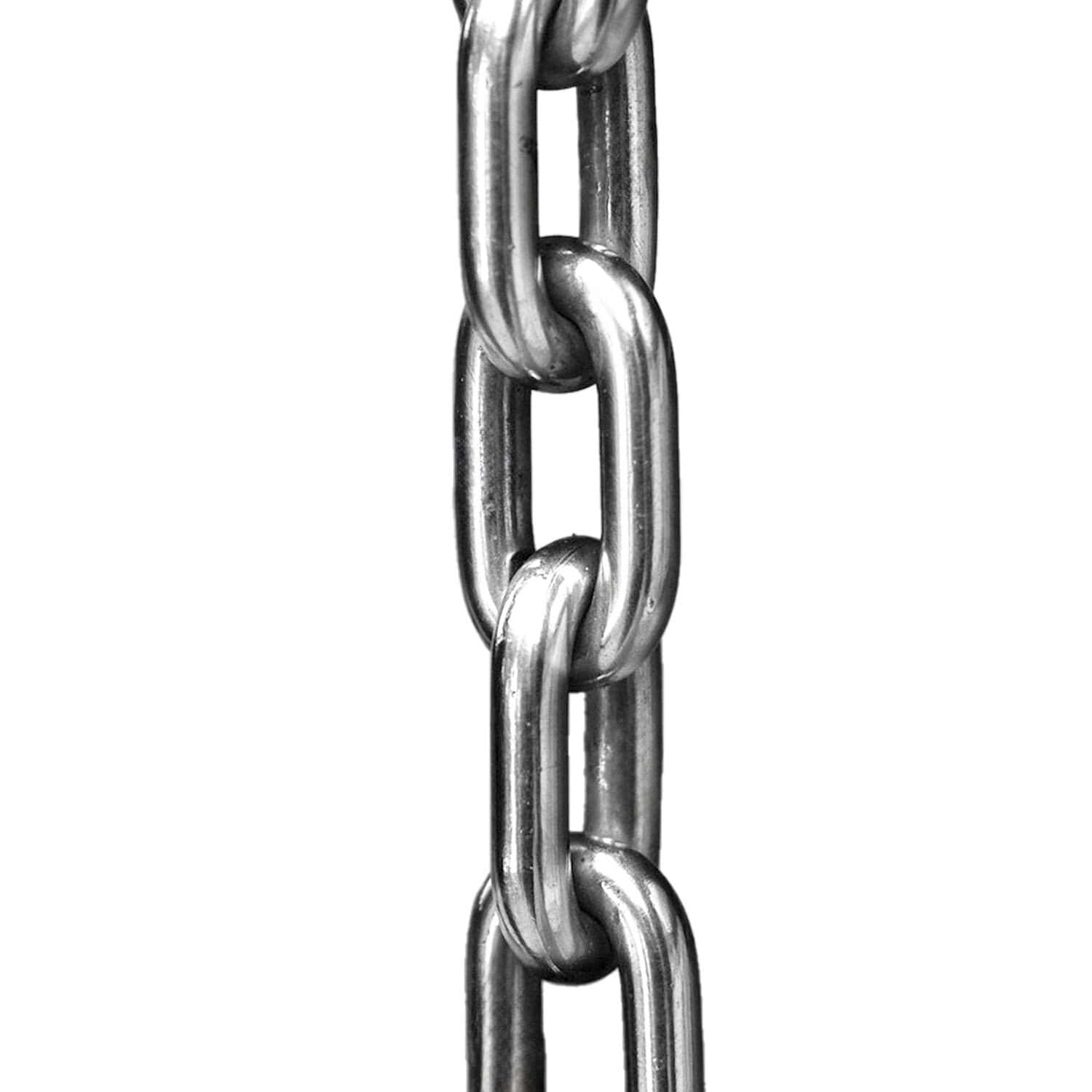
- Galvanized short-link chain on its own, if you are replacing a length.
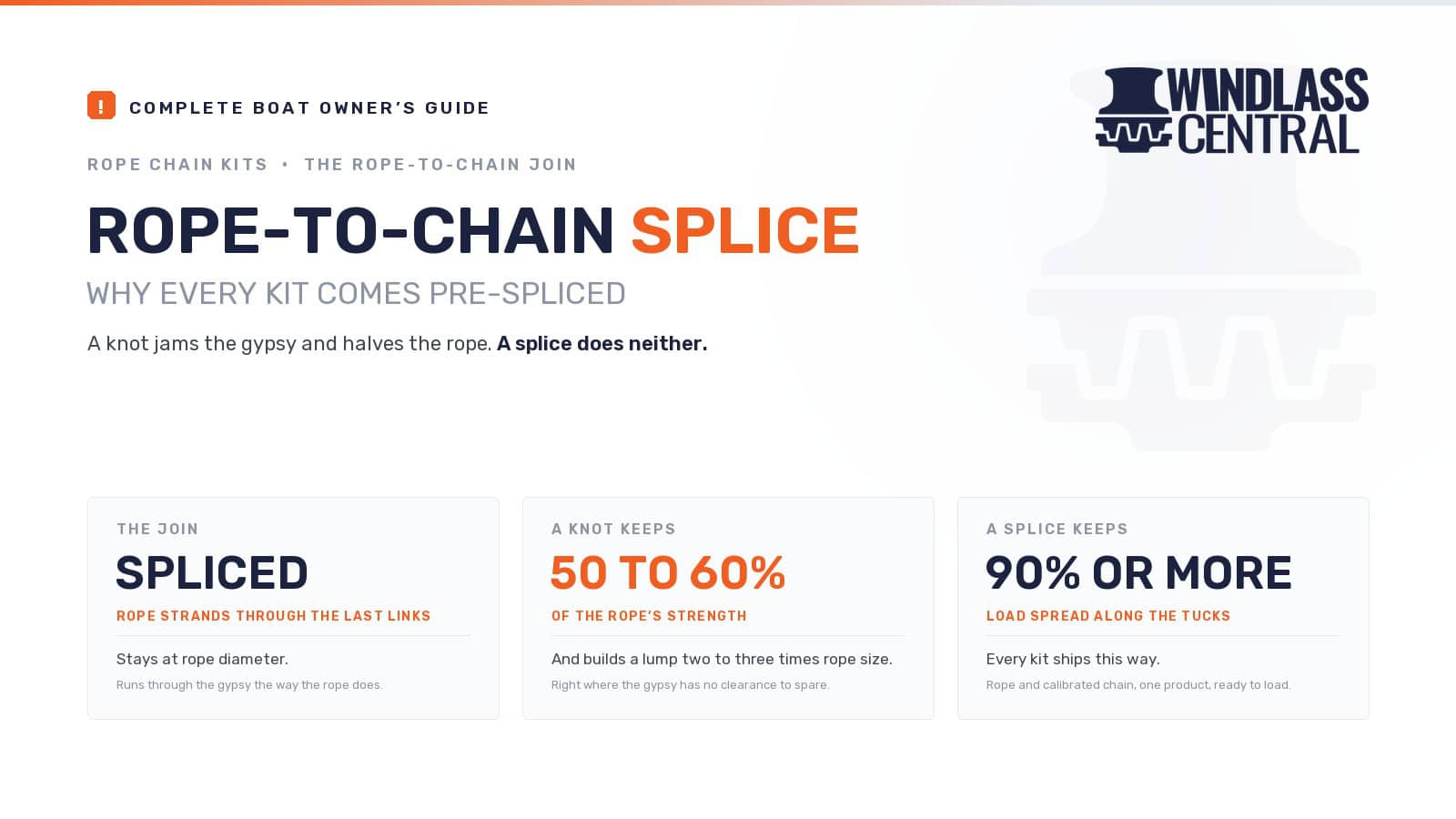
Rope is nylon three-strand, chosen for stretch rather than strength alone. Chain is Muir G50 hot-dipped galvanized high-test, which is roughly twice the strength of Grade 30 at the same size. Buy the rode spliced if you can: a factory splice through the chain is neater than a shackle and runs over a gypsy without snagging.
3. The anchor
Obvious, and still the thing people carry on with long past its usefulness. A bent or undersized anchor undoes everything else on this list.
| Type | Best in | From |
|---|---|---|
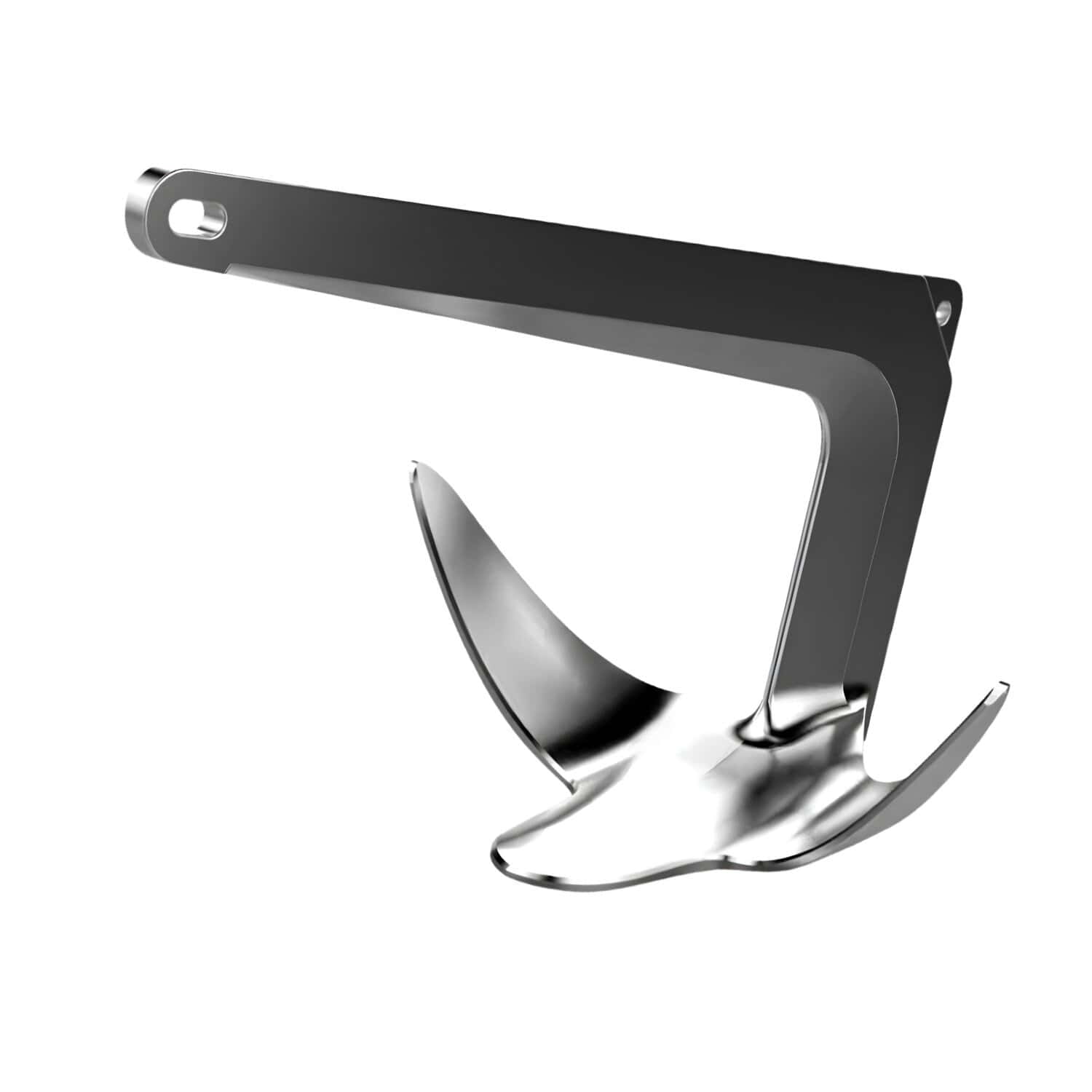
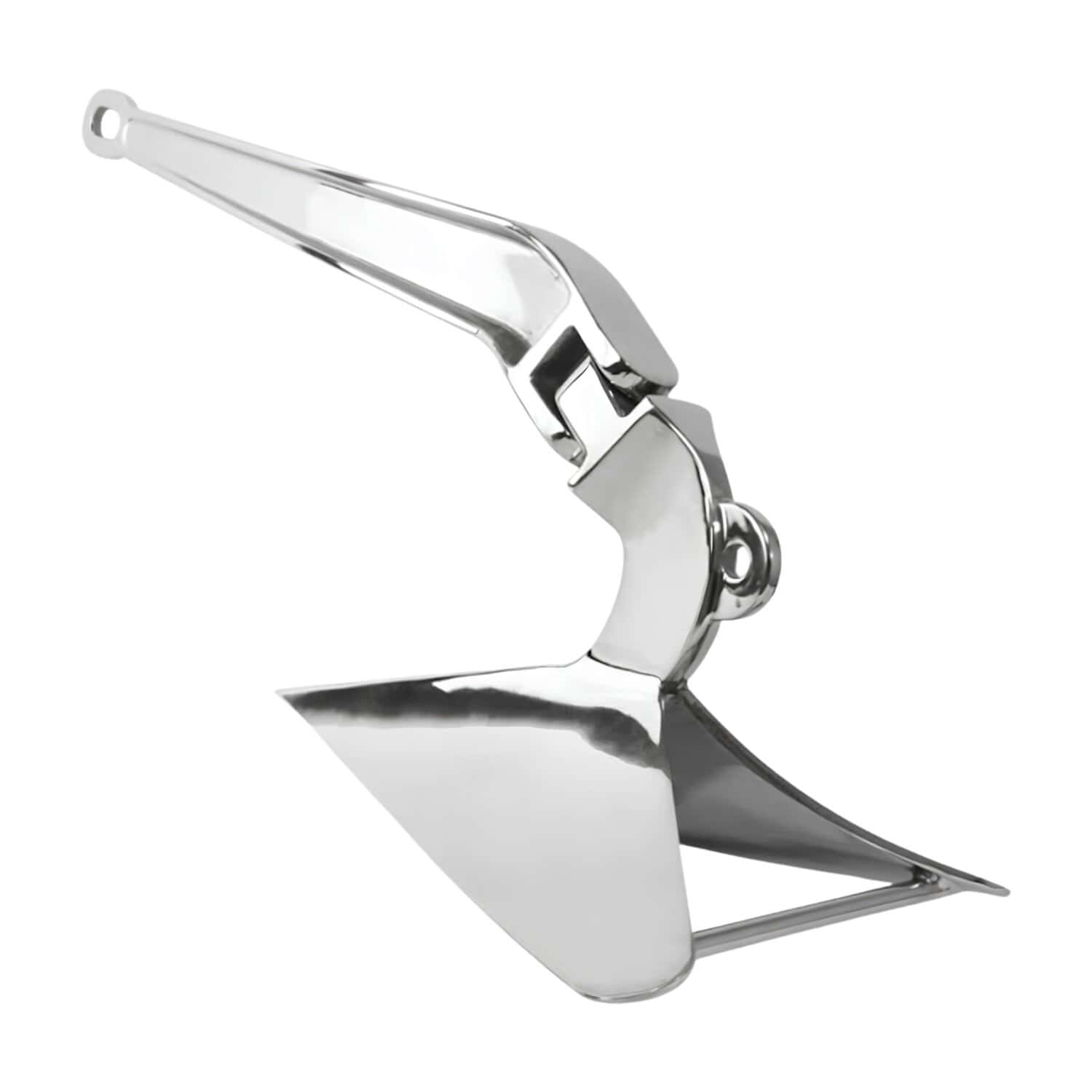
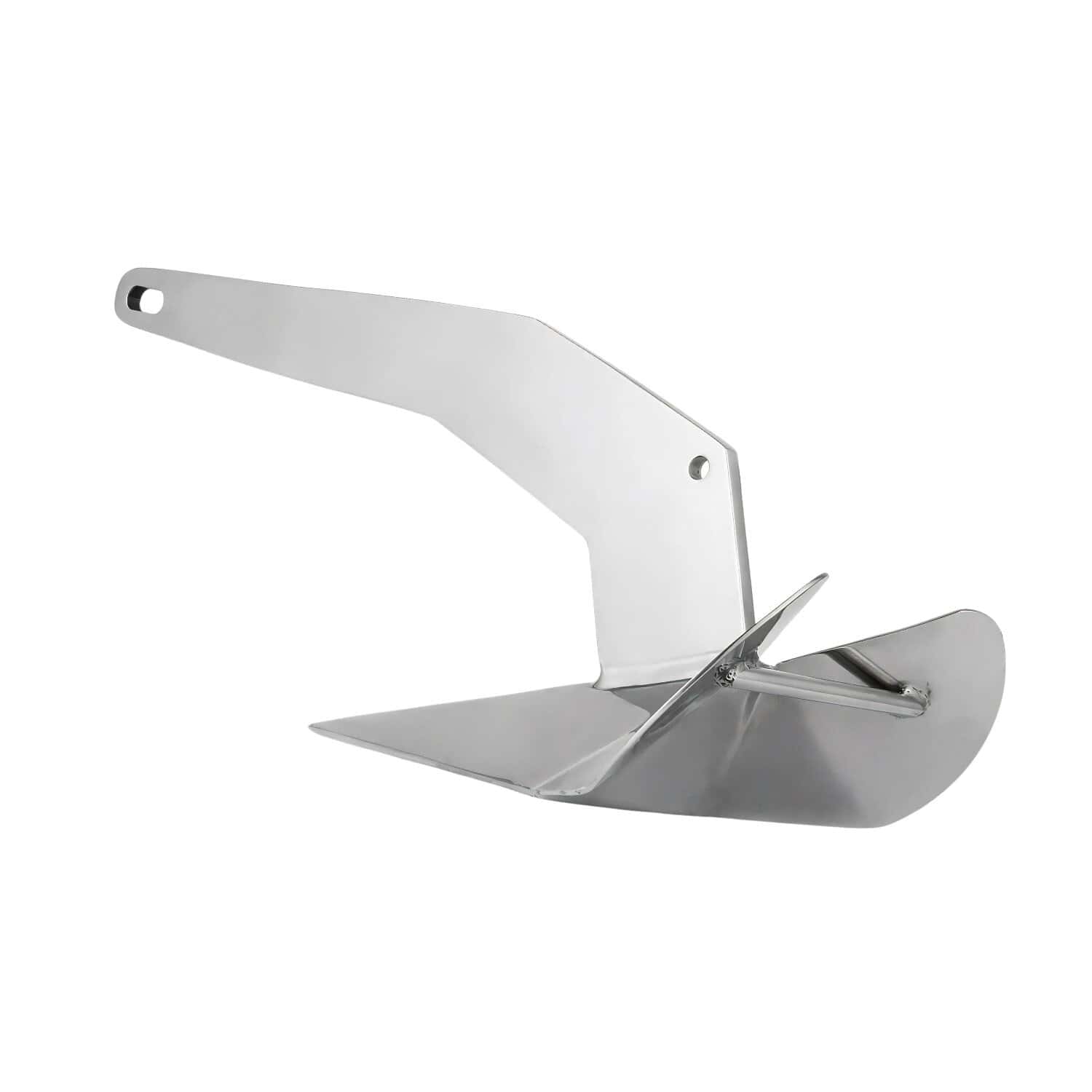
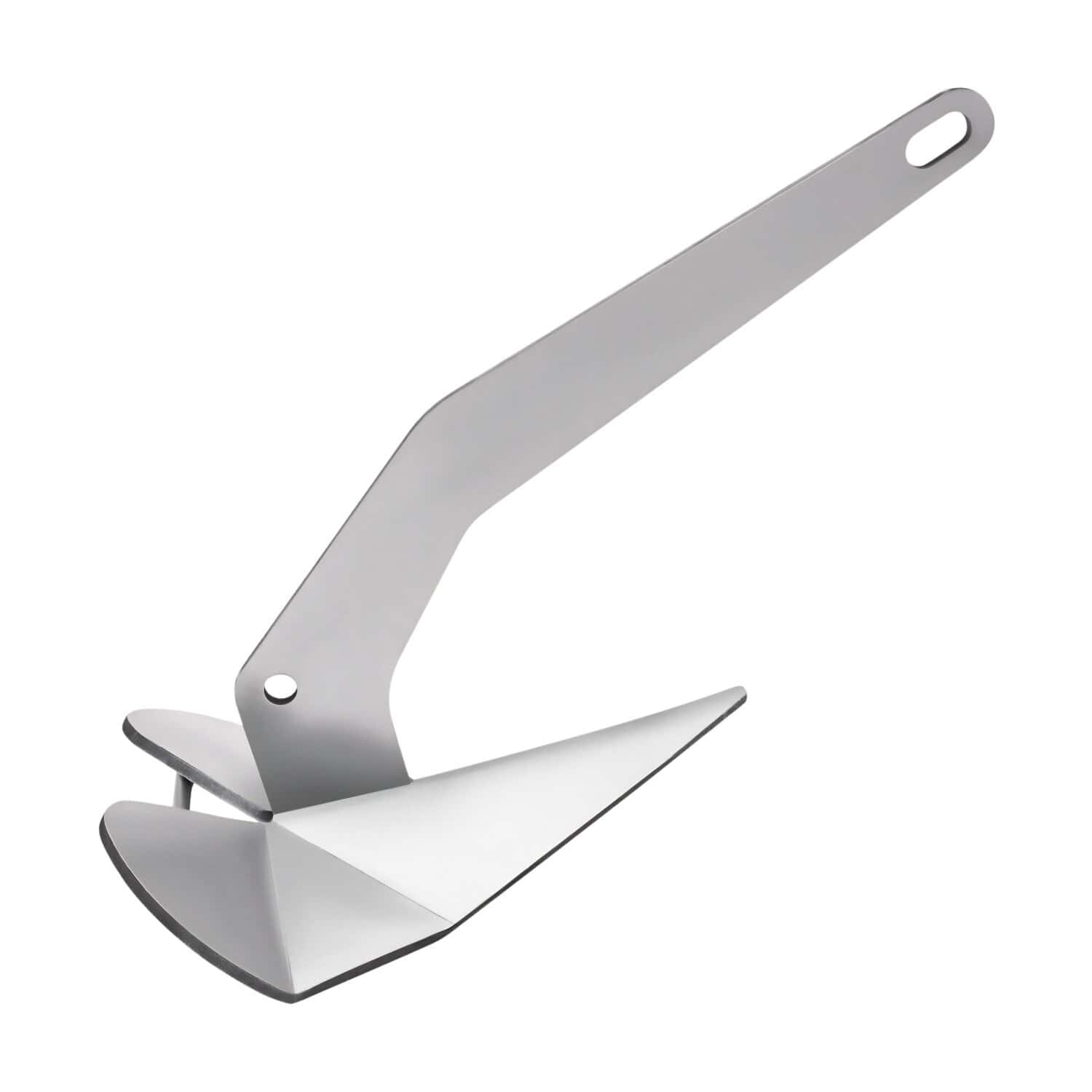
| Delta / plough | Mud, sand, weed. The general-purpose choice | $209.00 |
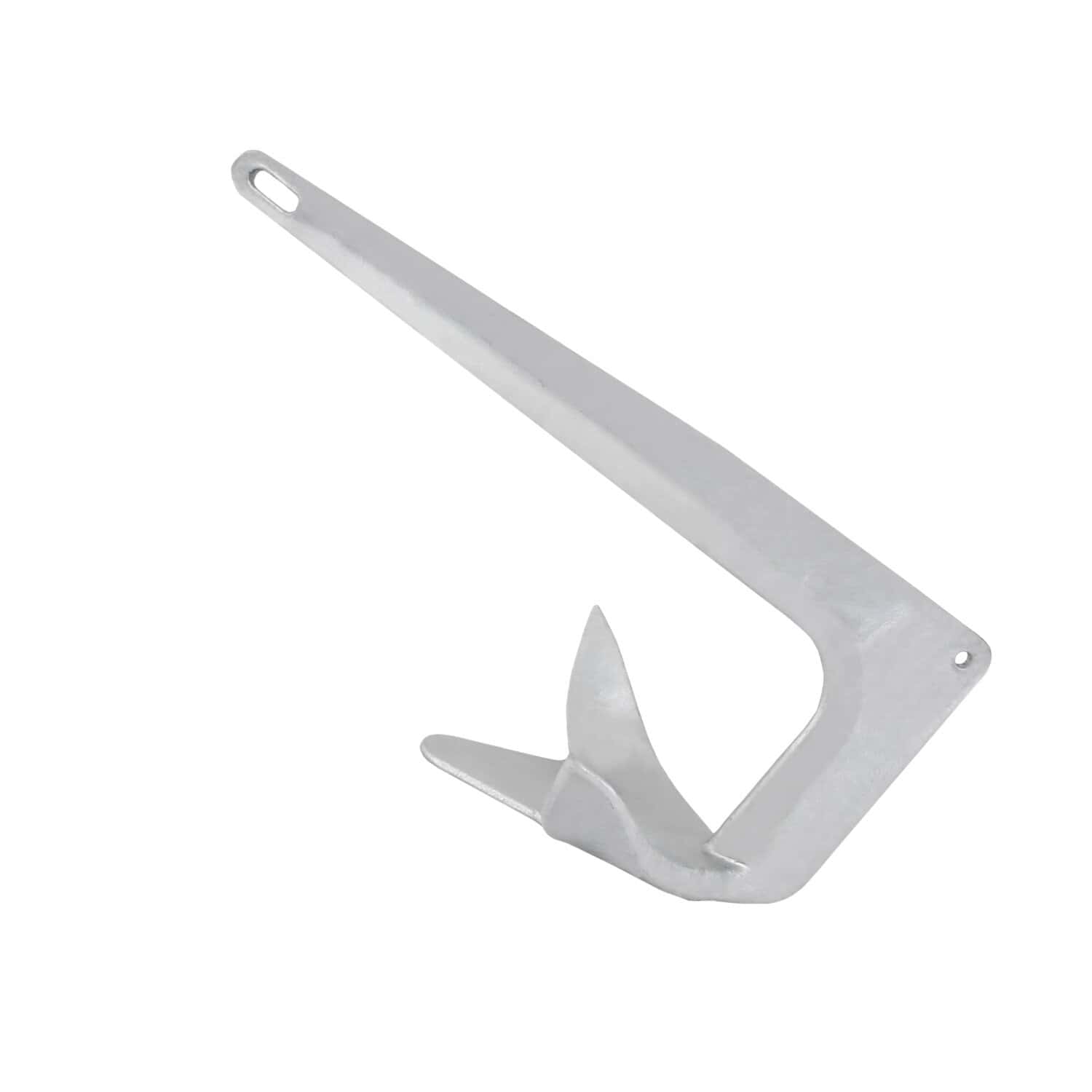
| Bruce / claw | Rock and coral, and it resets well when the tide turns | $217.00 |
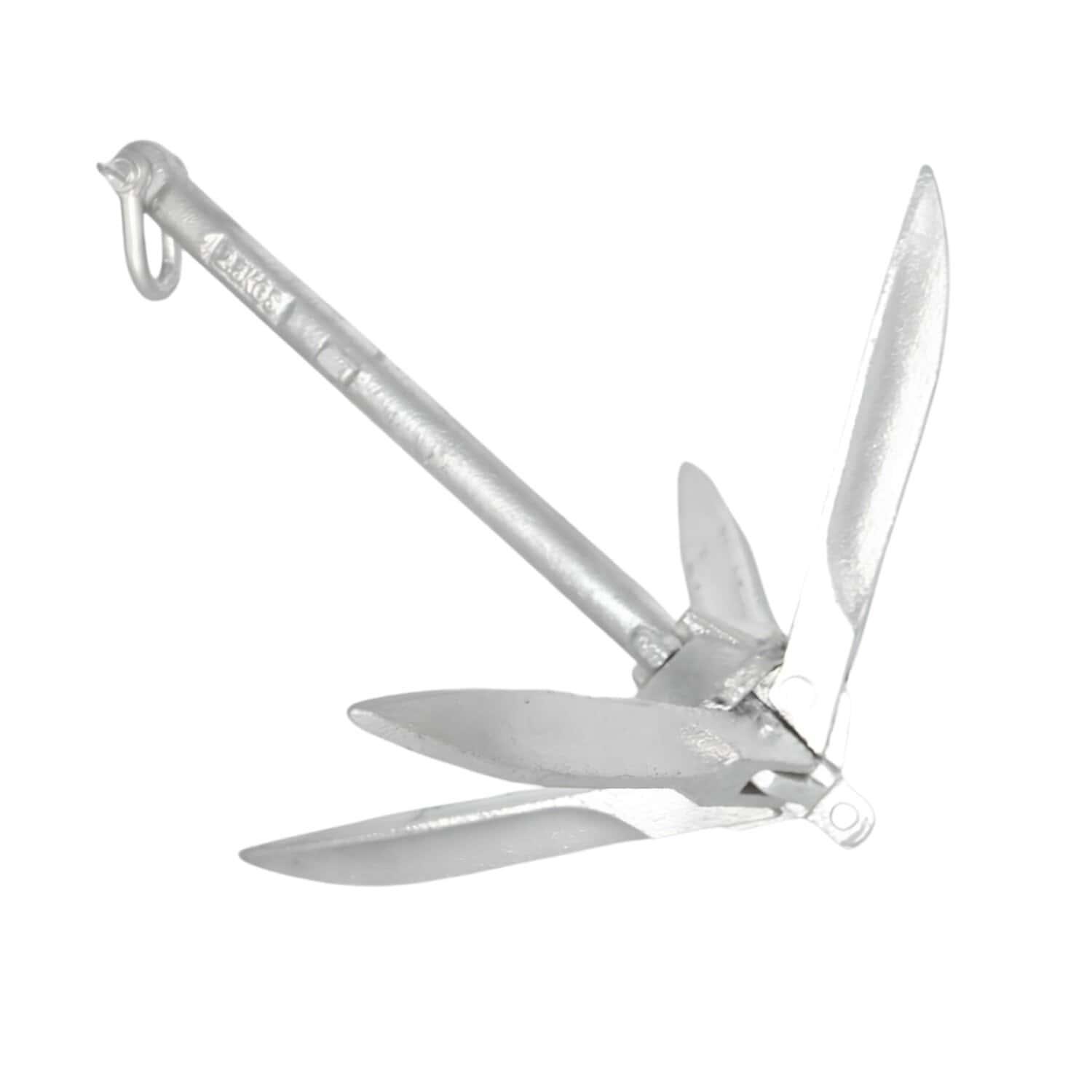
| Danforth | Sand and soft mud. Huge hold for the weight, poor in rock | See range |
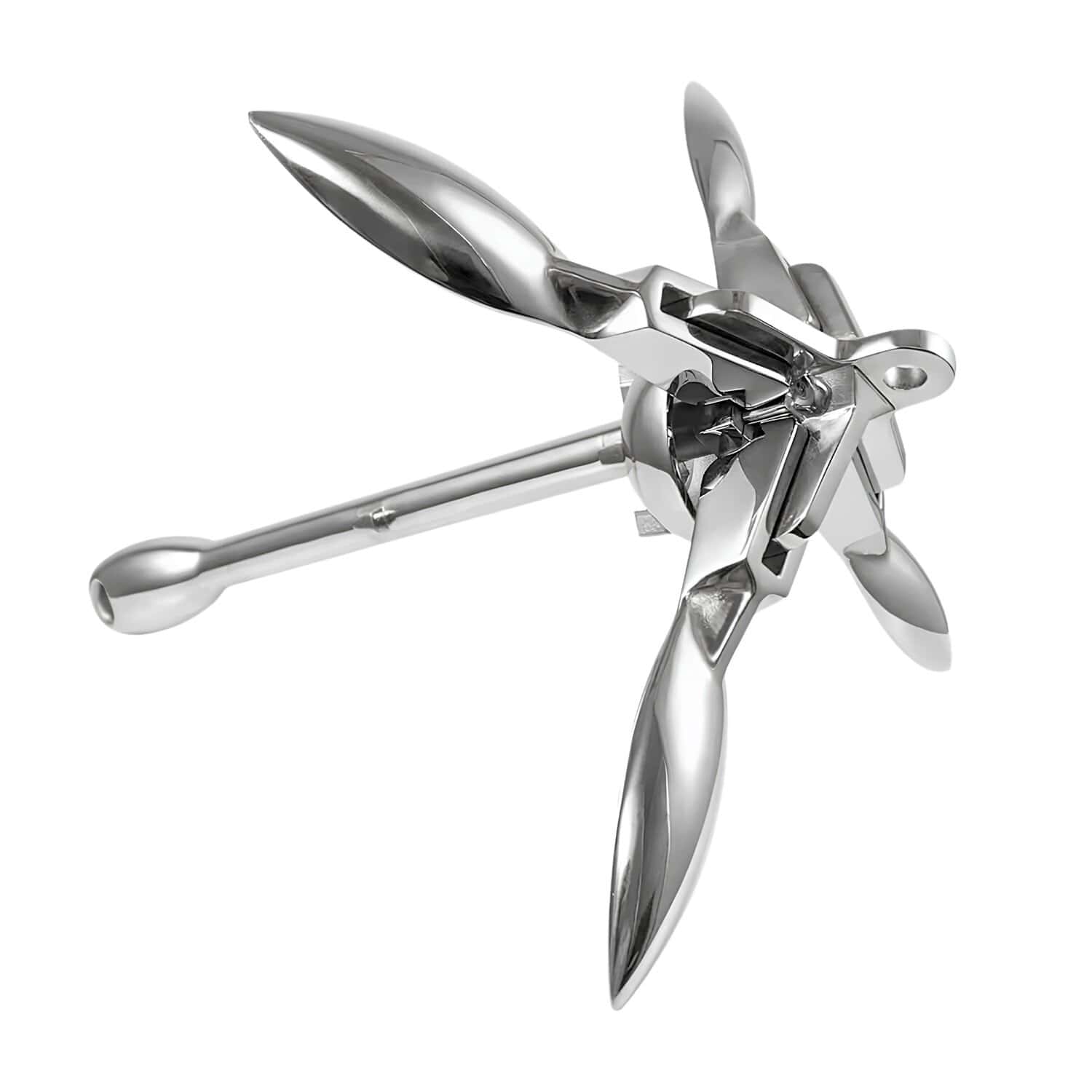
| Grapnel | Small craft, rocky bottoms, tenders | See range |
All are available hot-dip galvanized or in 316 stainless. Galvanized is the working choice and costs less; stainless is for boats where the anchor is on show. Browse the full anchor range.
4. A way to know how much chain is out
Scope is a ratio: chain out against depth. Five to one is the usual working figure, seven to one if it is blowing. But a ratio is useless if the first number is a guess, and marking chain with cable ties or paint gets you an approximation at best, in the dark, over the bow.
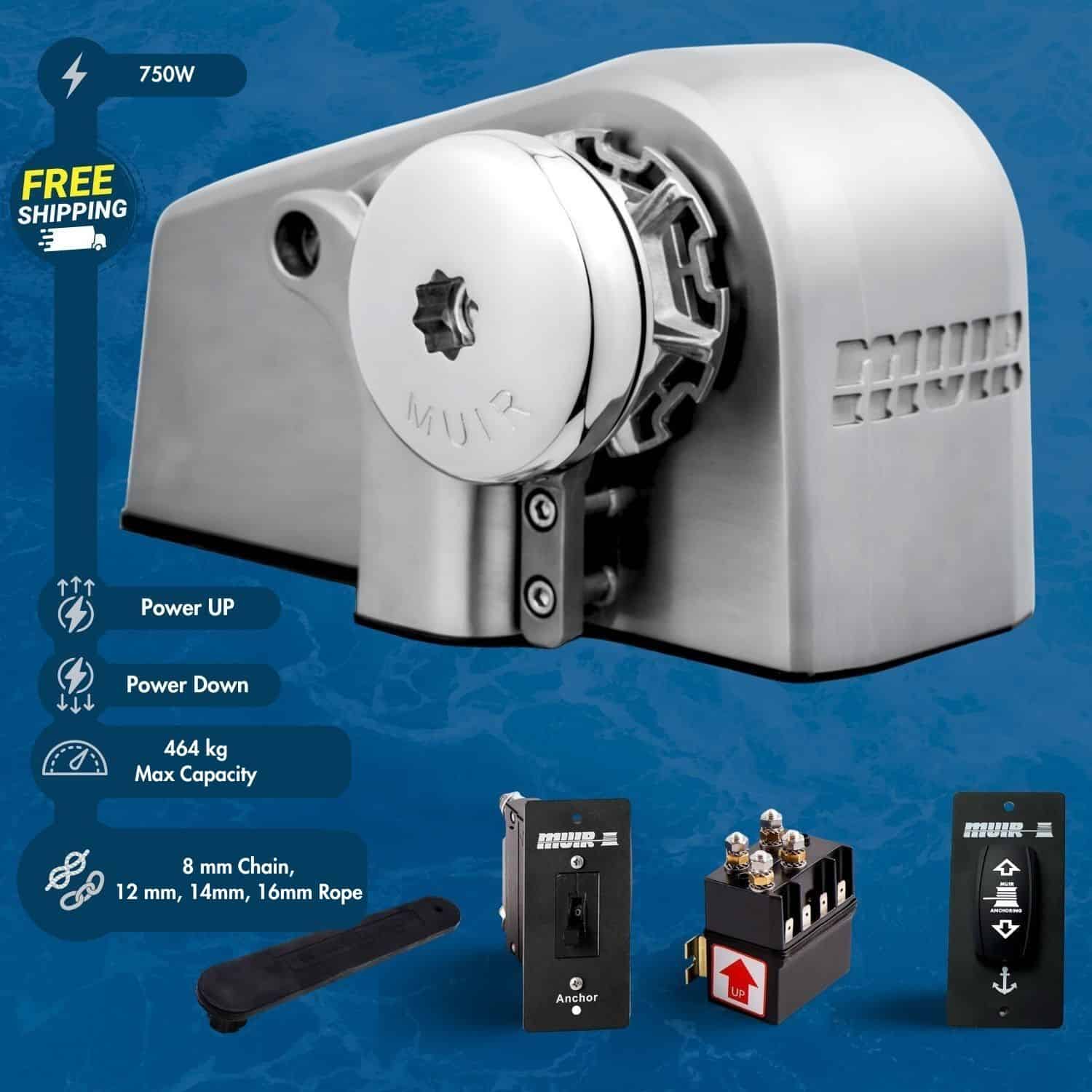
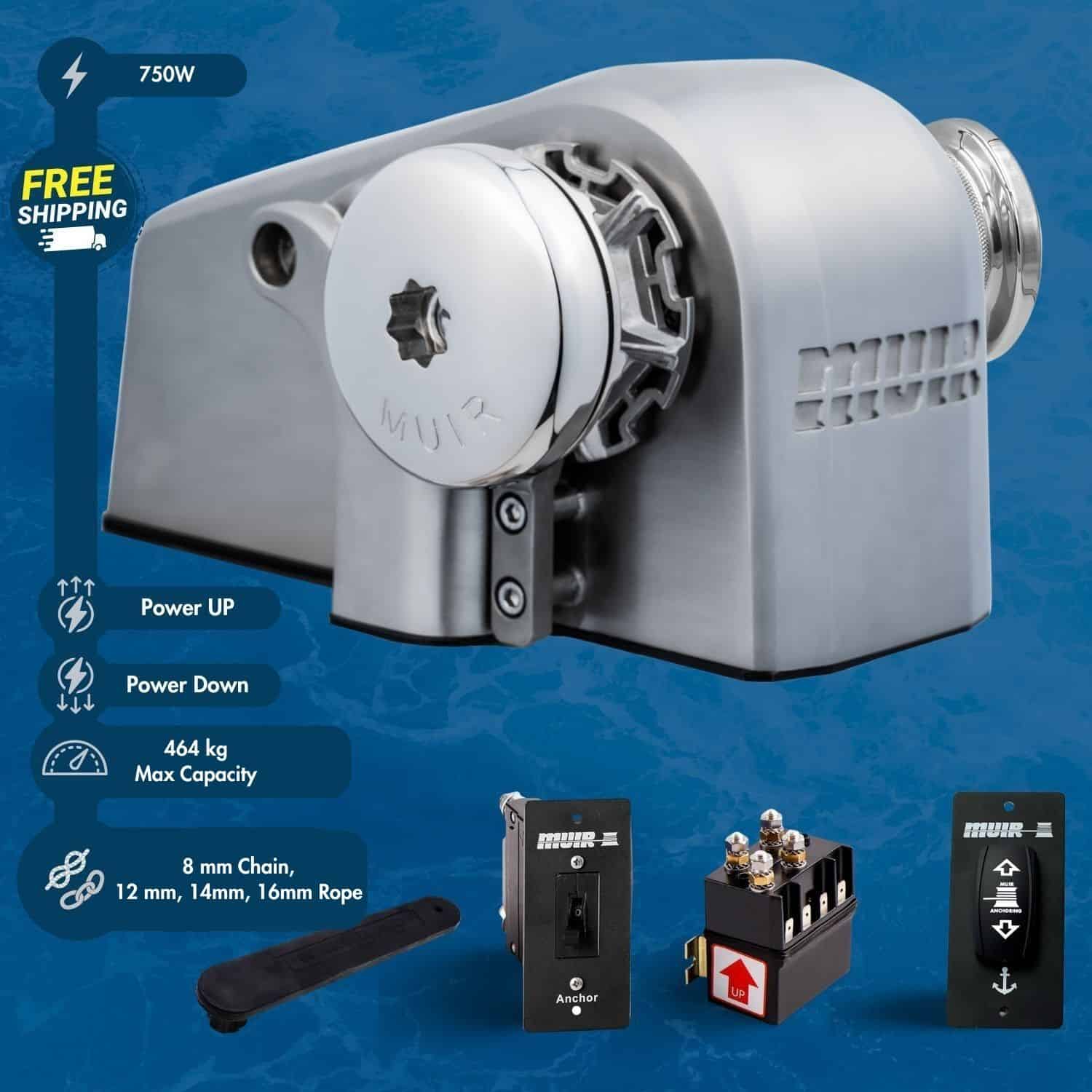
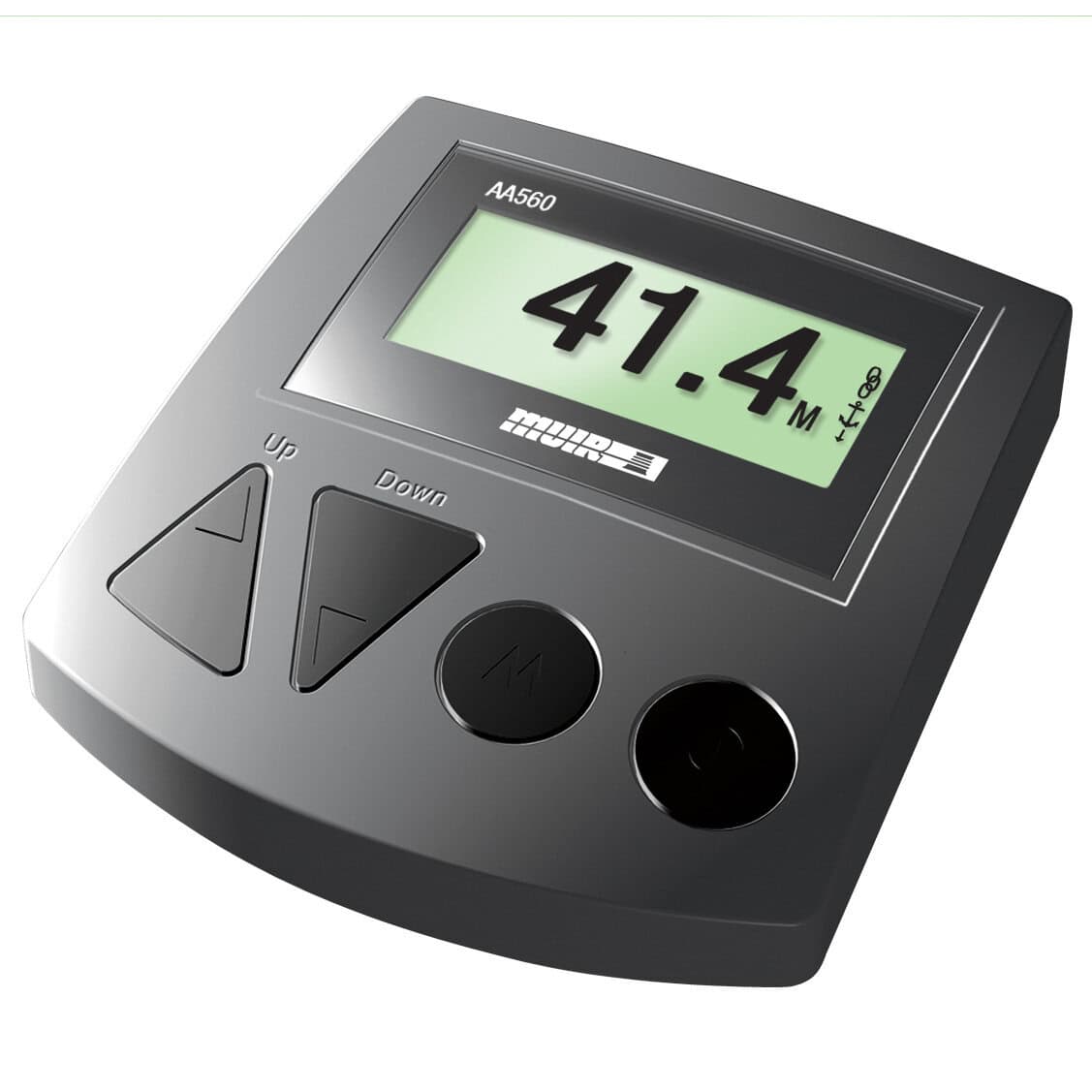
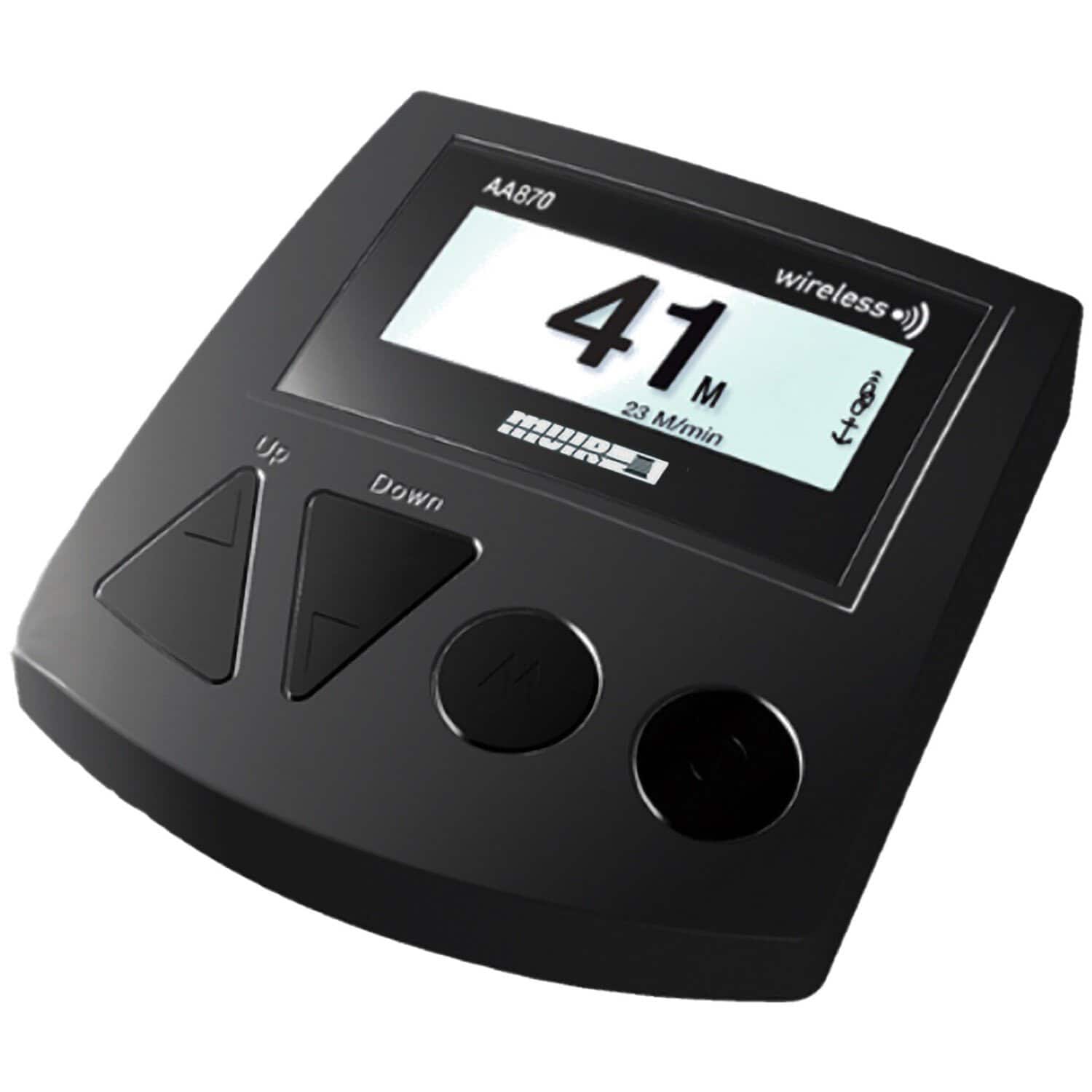
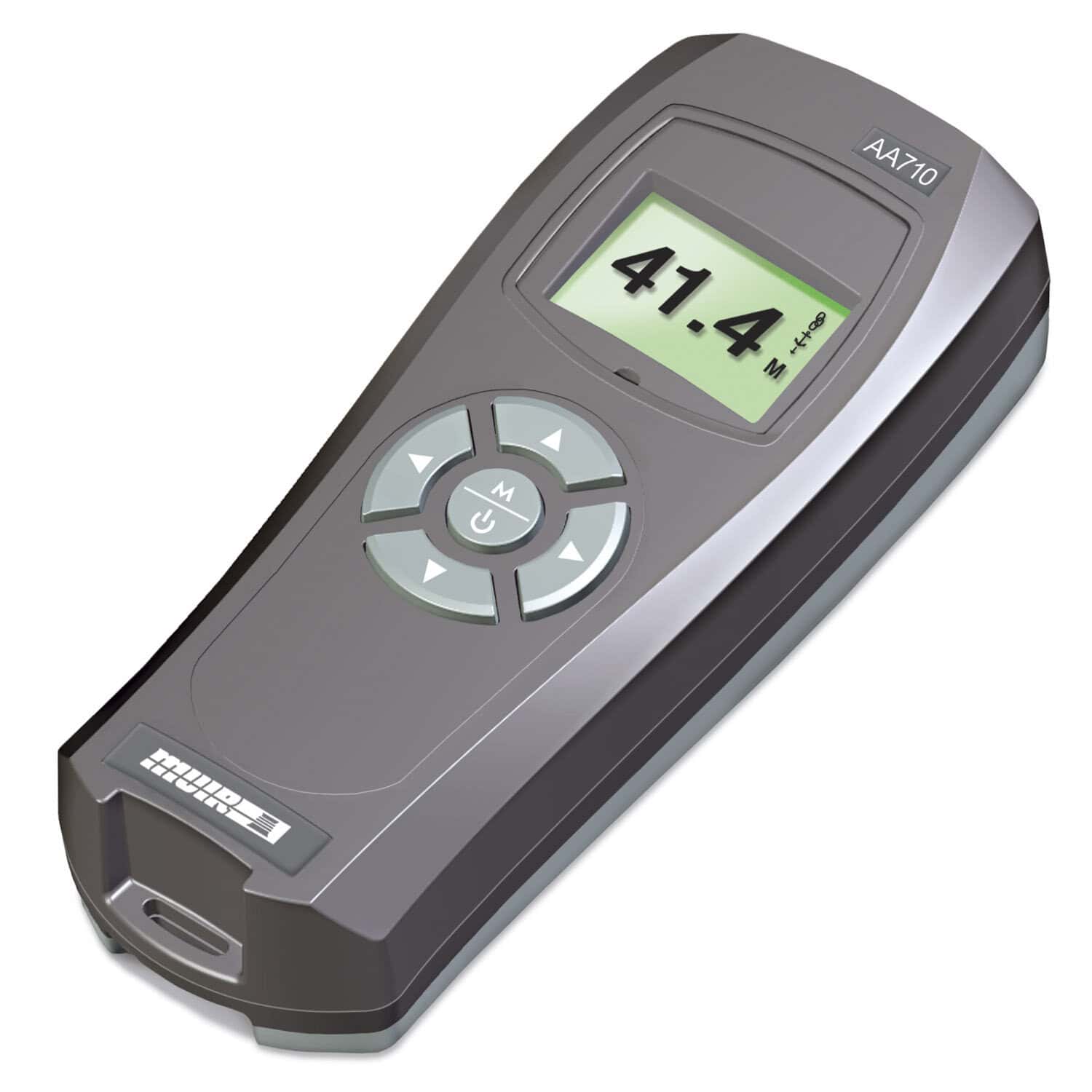
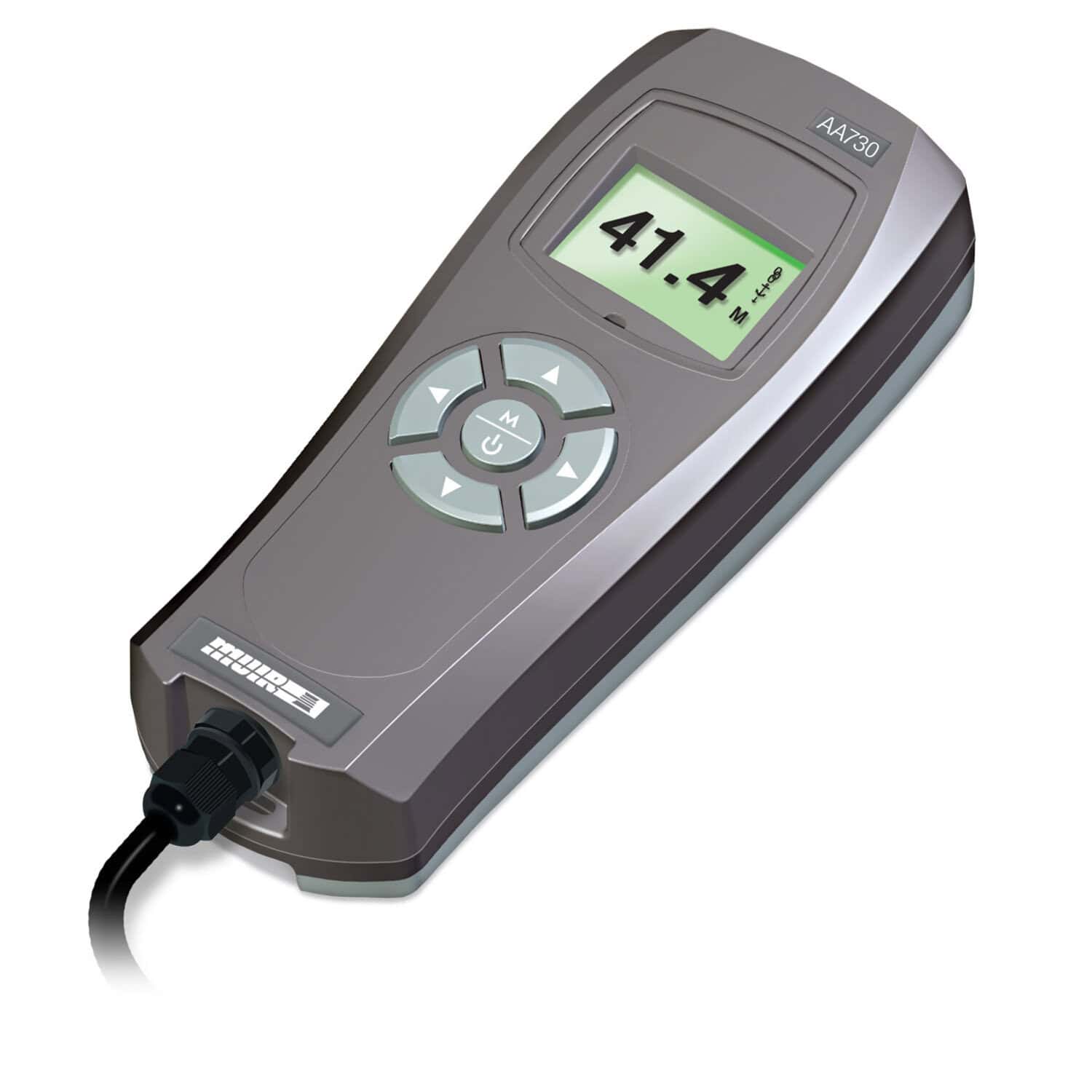
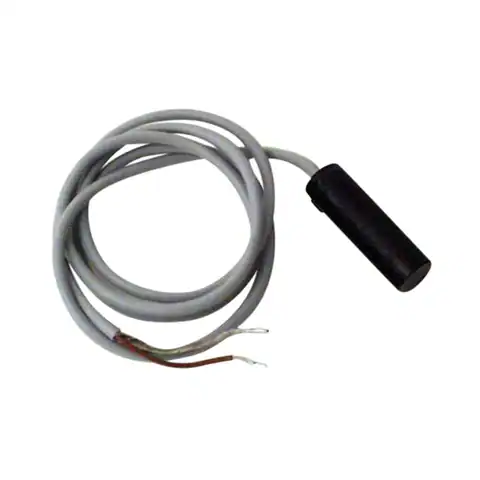
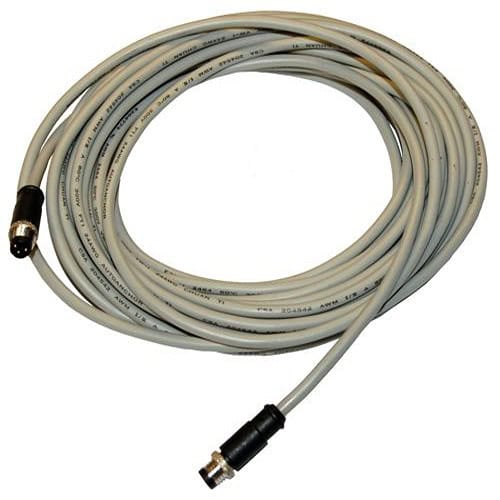
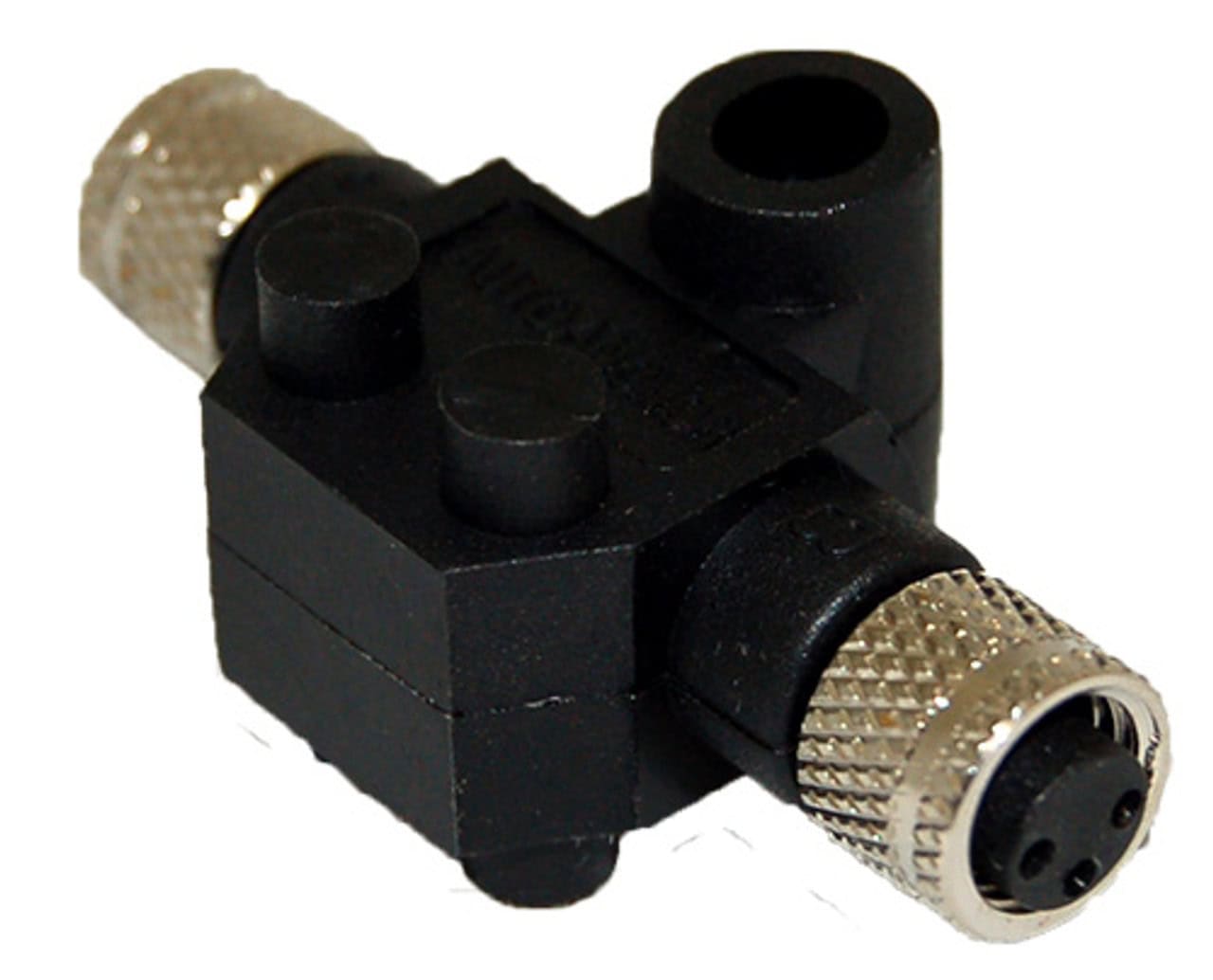
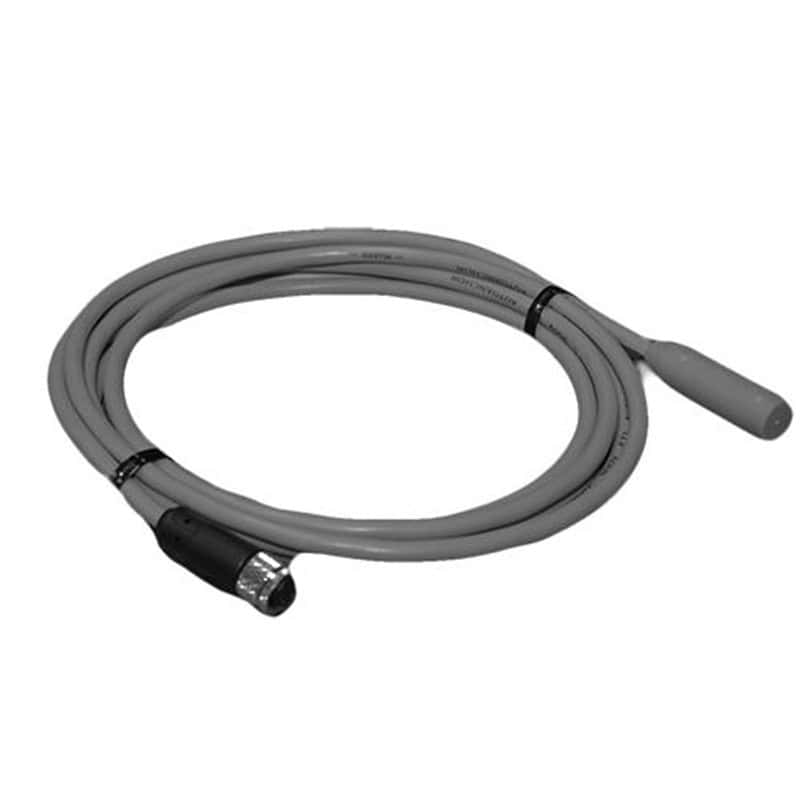
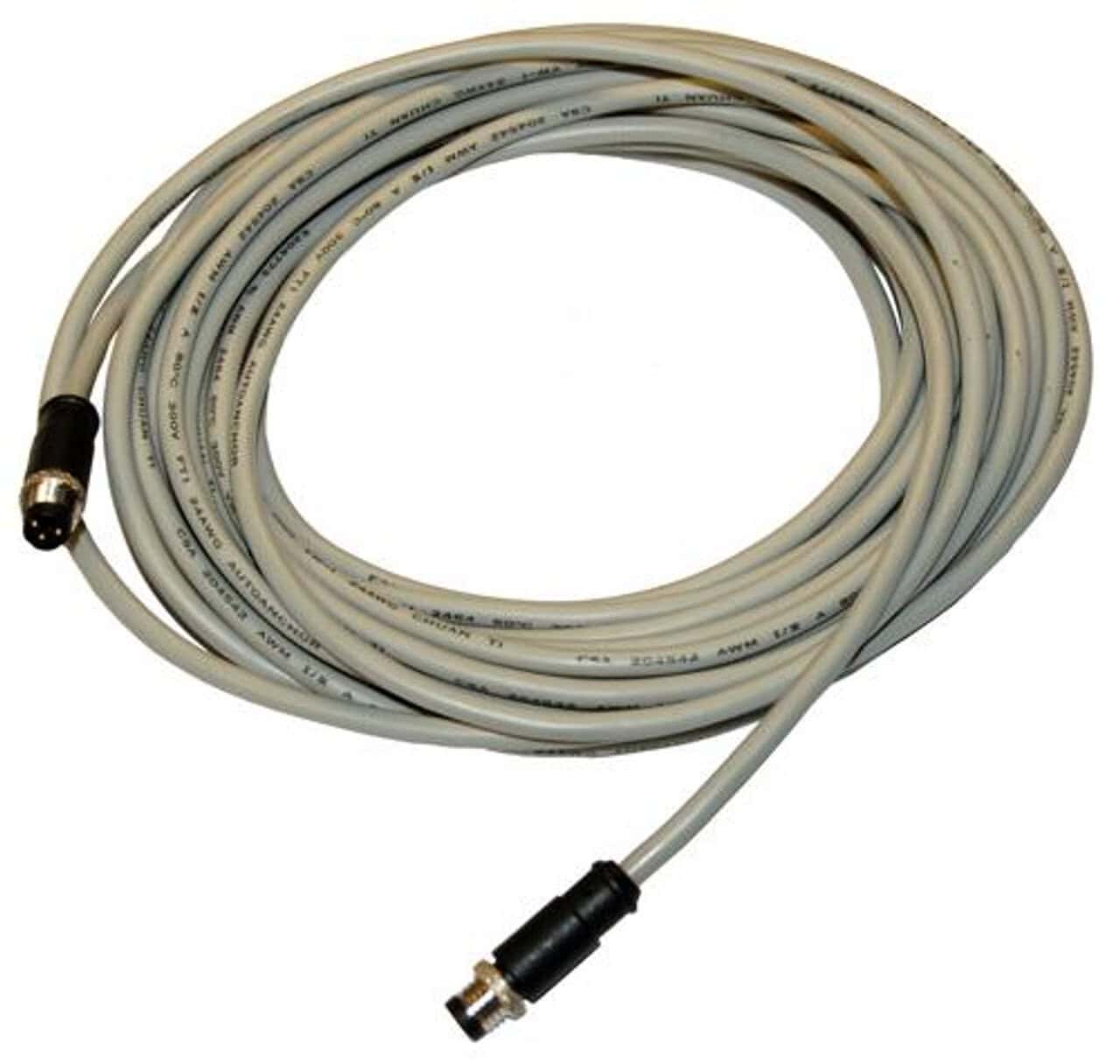
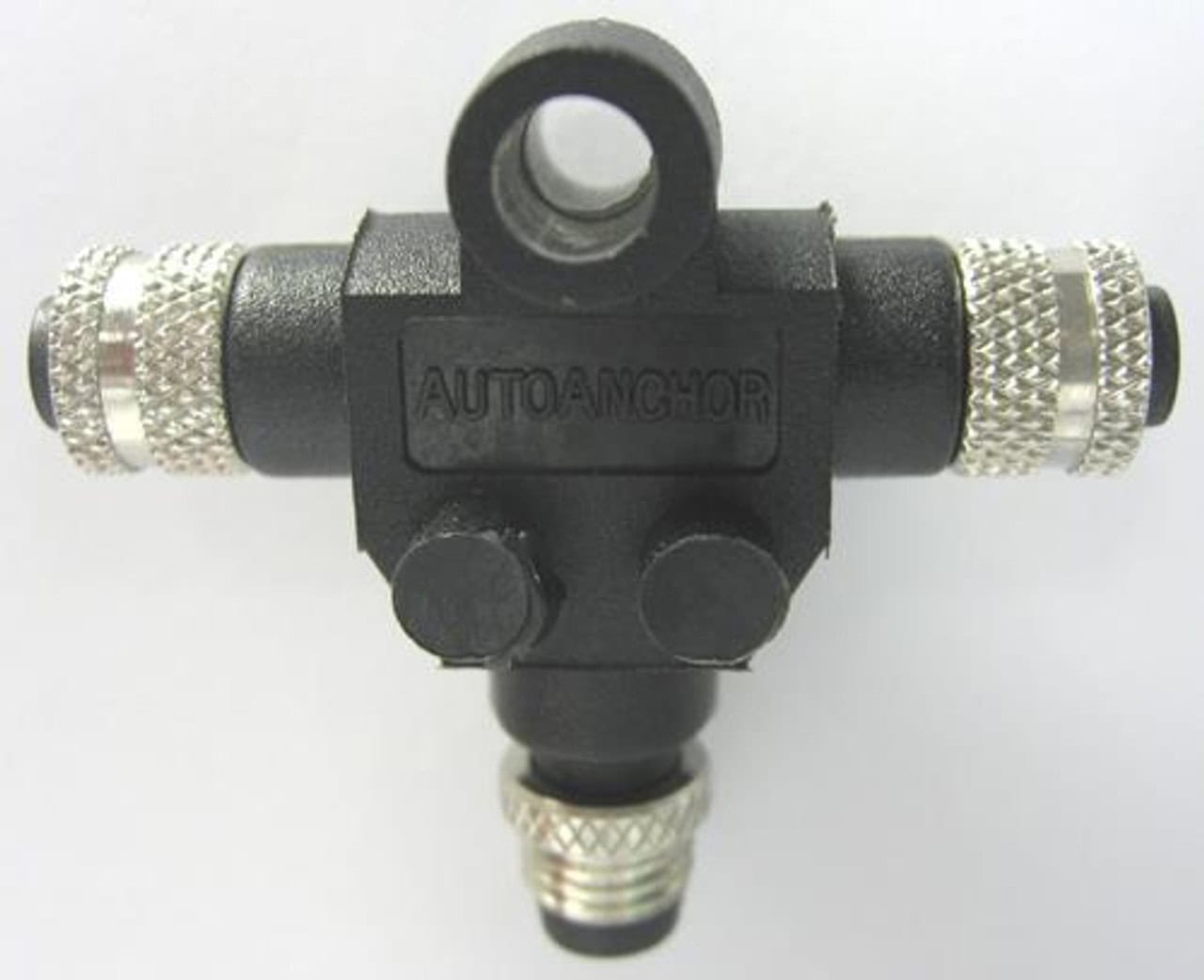
An Auto Anchor counter reads the chain as it runs and shows the number at the helm. The AA150 at $462.00 is the panel-mounted counter; the wireless units add helm control from anywhere on deck. Every windlass and drum winch in the range above the DW 06 is Auto Anchor compatible.
It needs a minimum of 3 m of galvanized chain to read against, which any sensible rode already has.
5. A second place to work the winch from
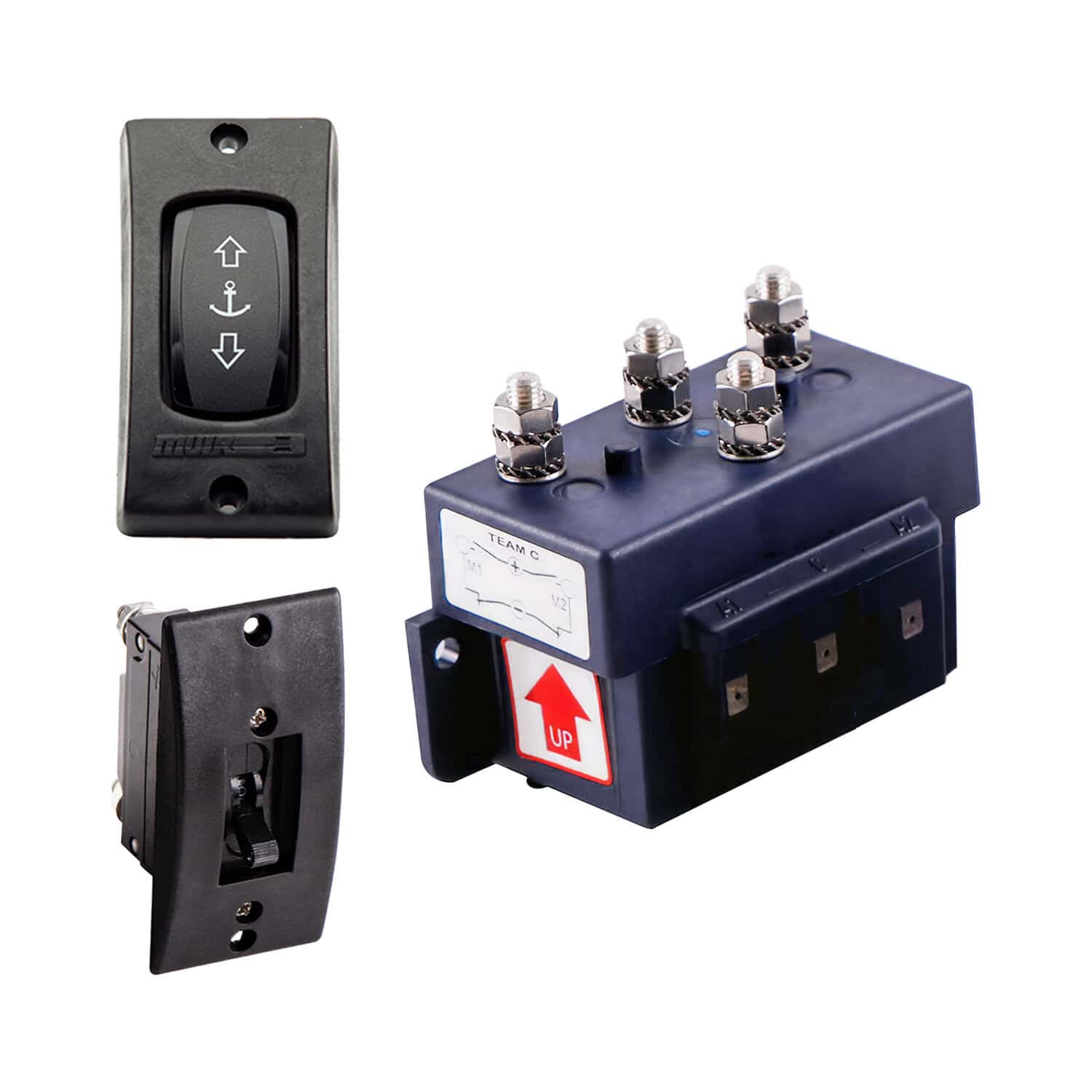
Most windlasses ship with one control. That is fine until you are trying to watch the chain, the depth and the boat in front of you at the same time.
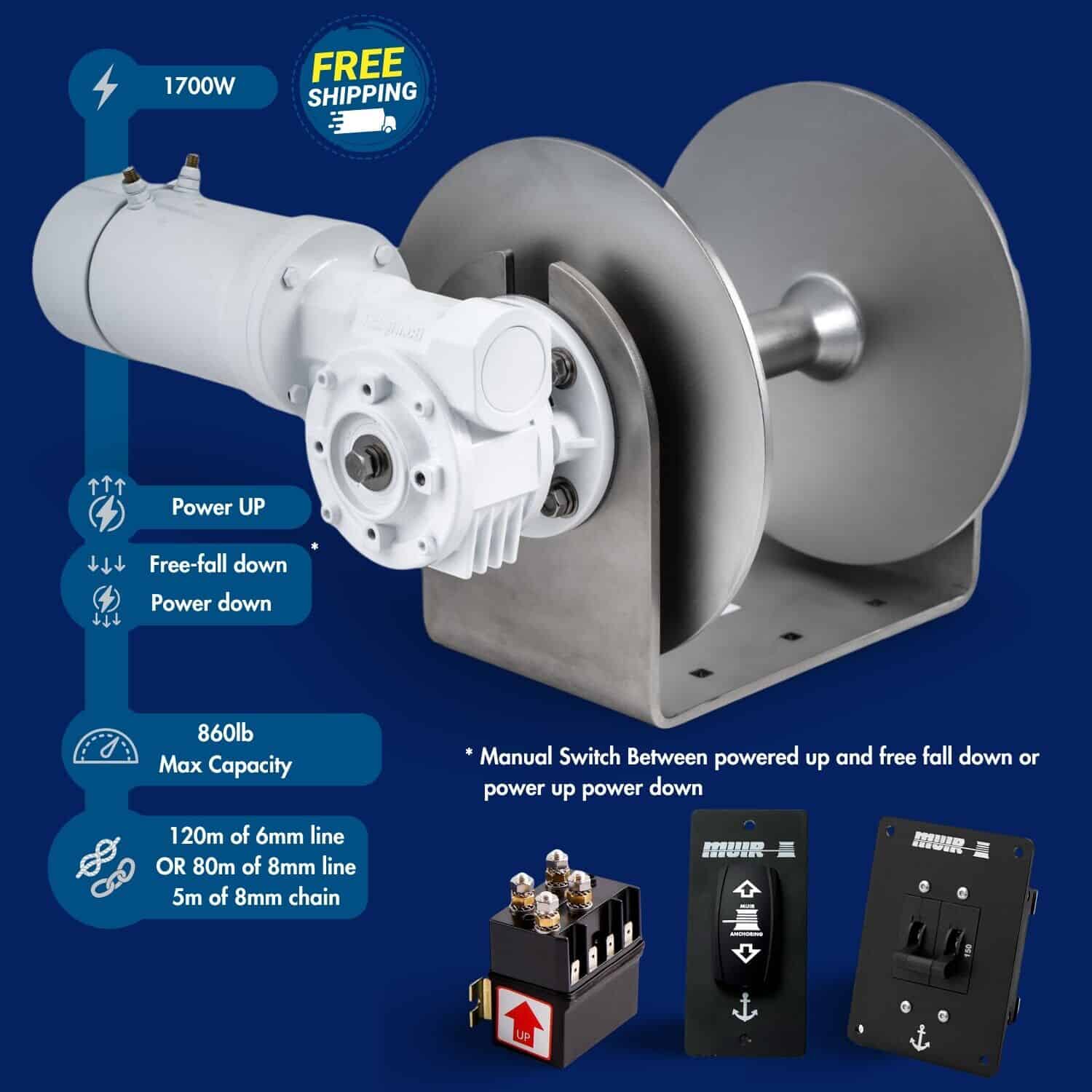
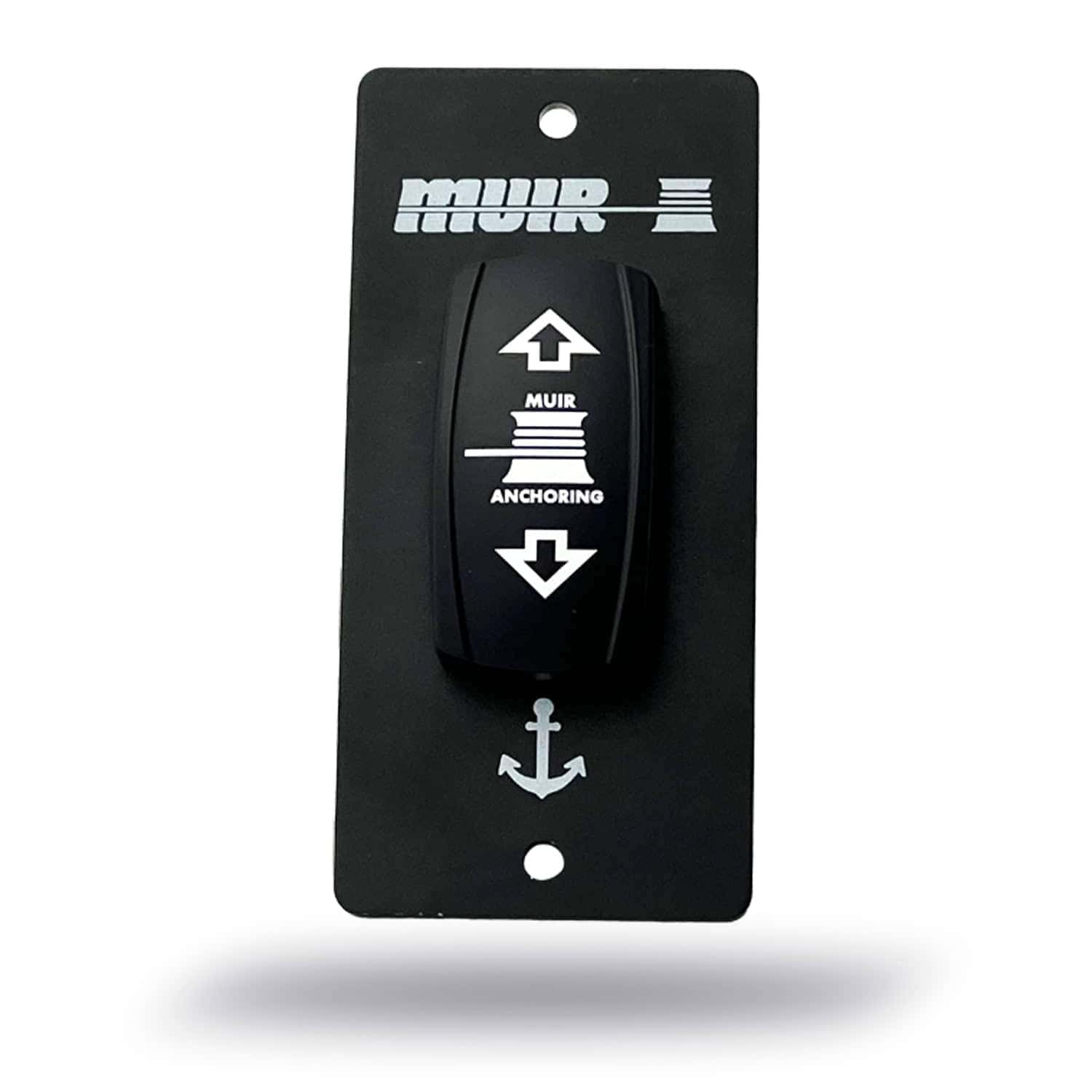
- Foot switches, $29.00. Hands free at the bow, which matters when you are also handling the snubber.
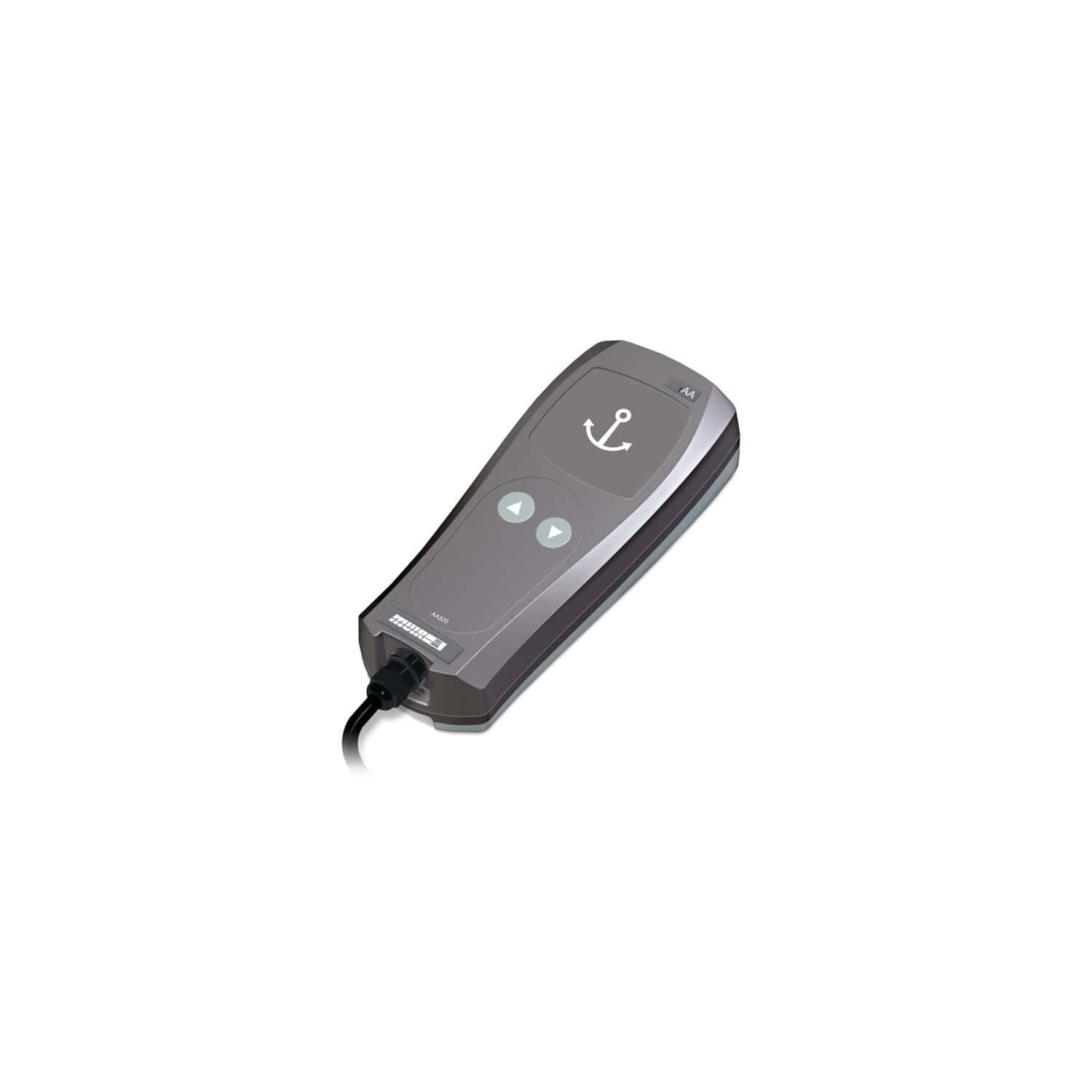
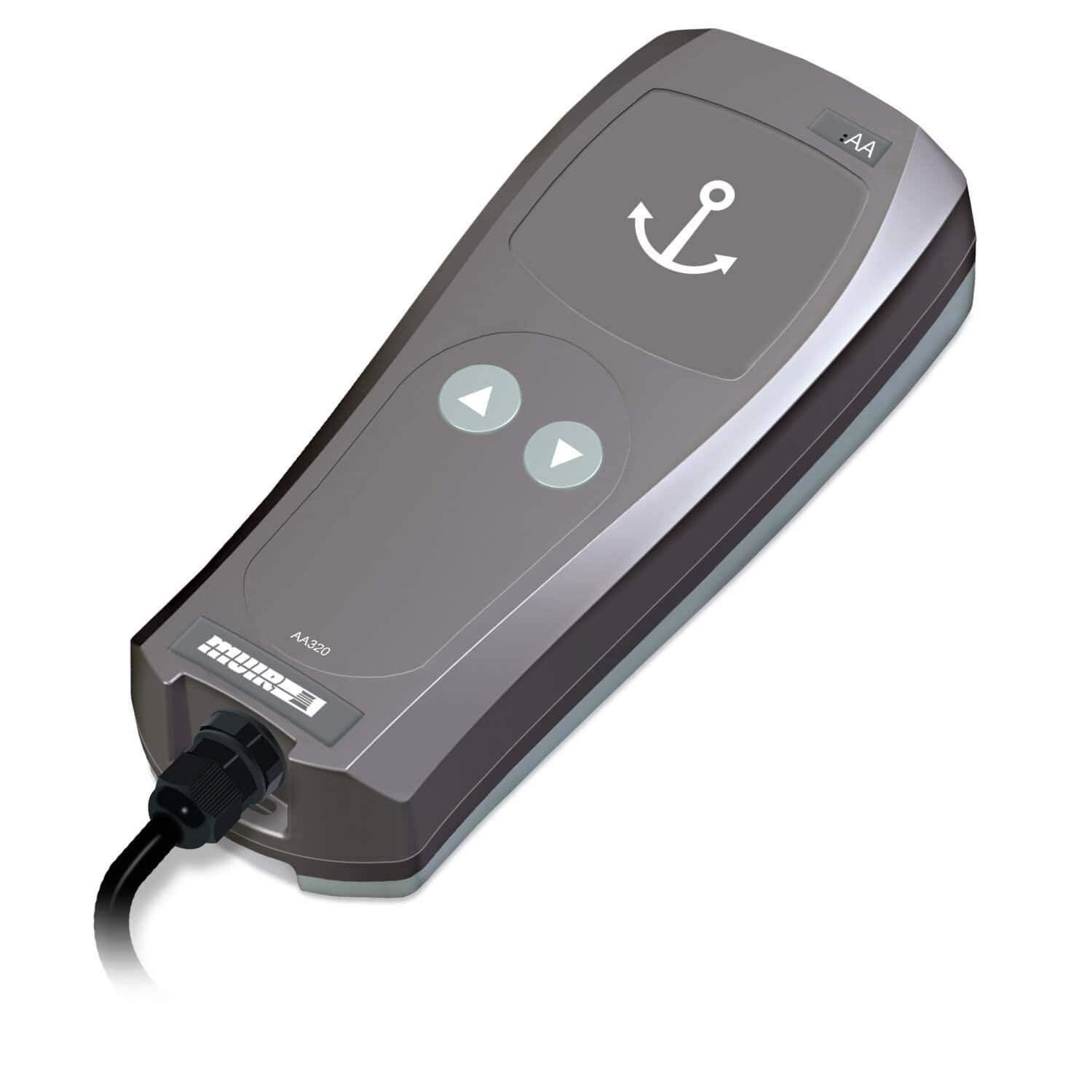
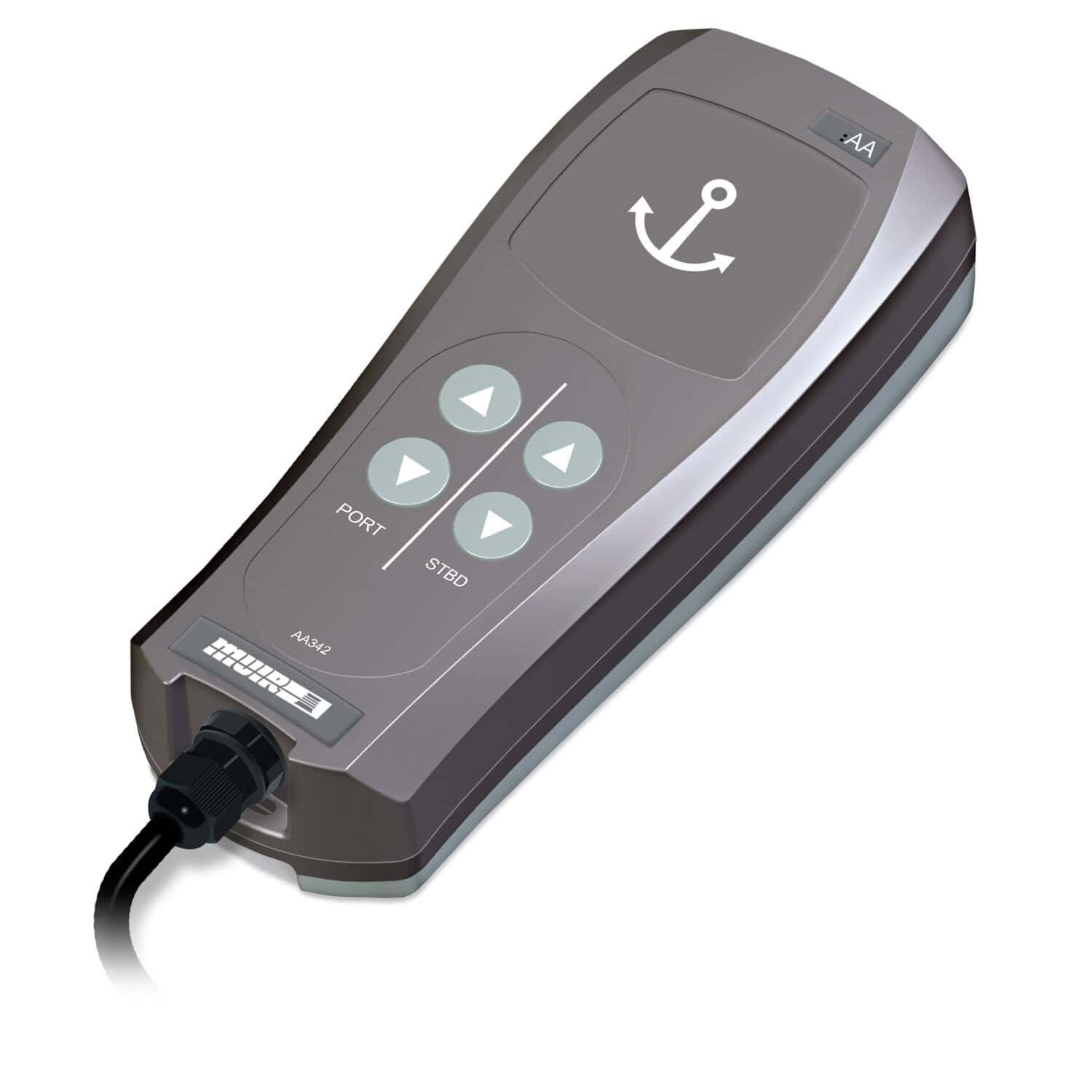
- Portable hand pendant, $253.00. Walk the deck with it.
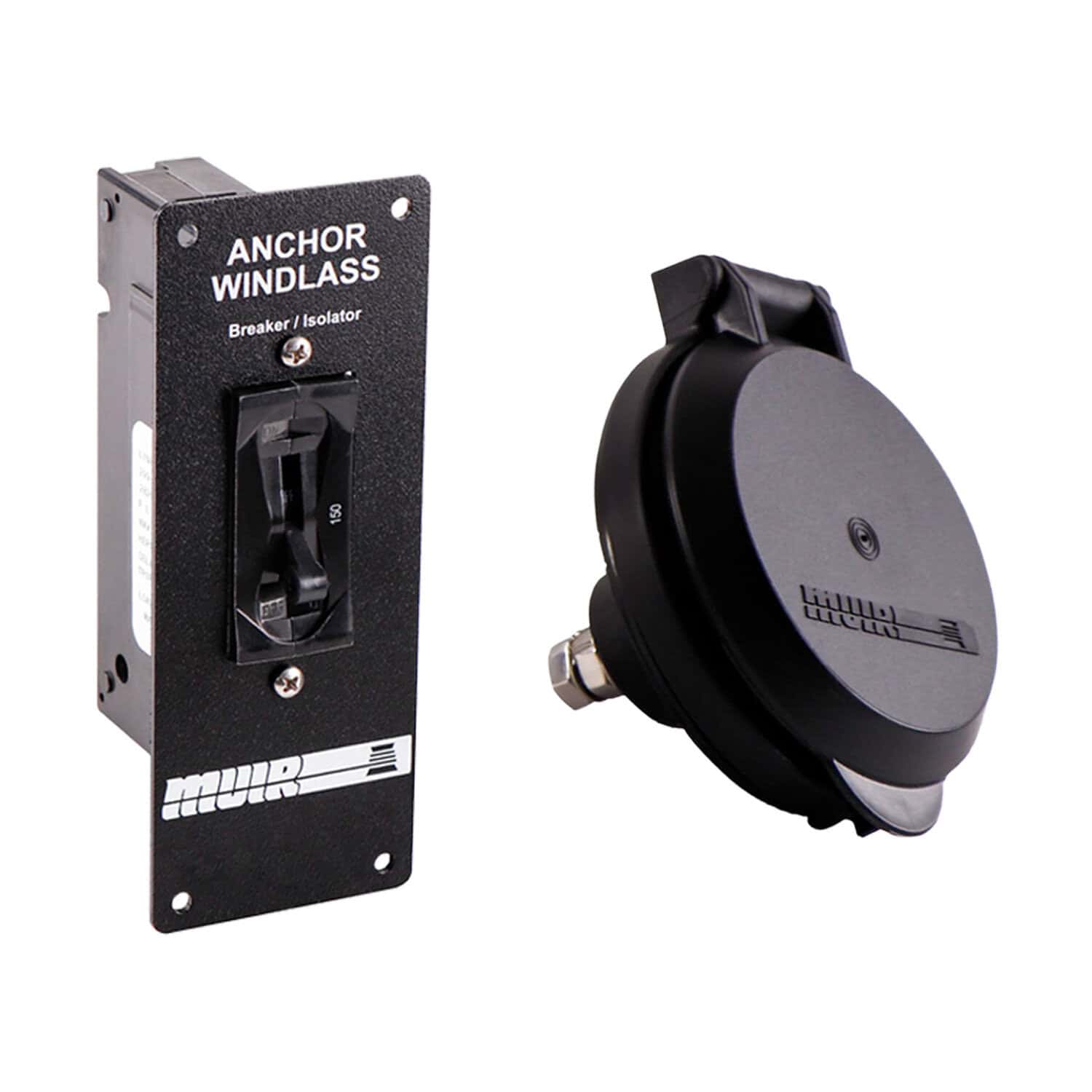
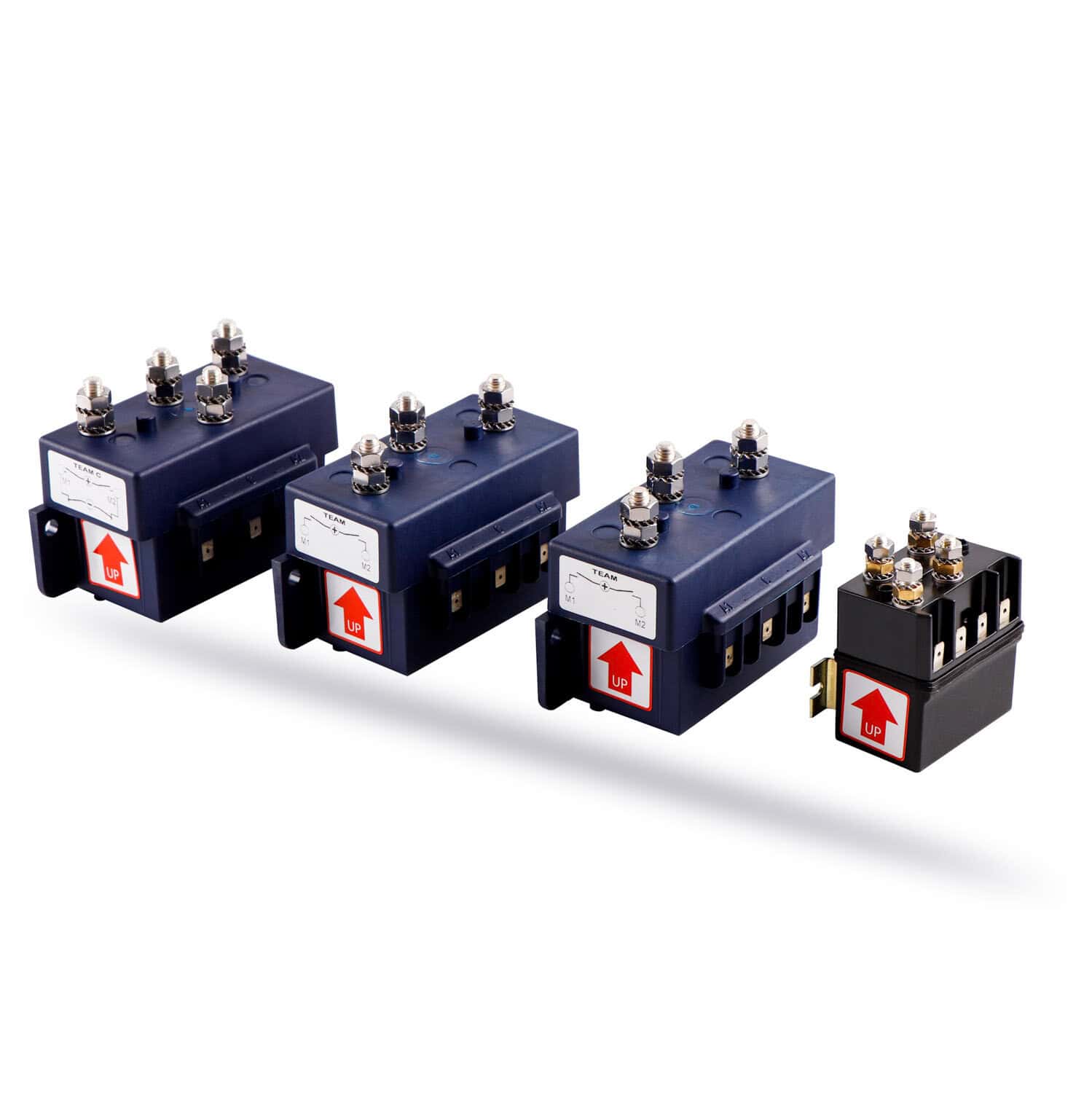
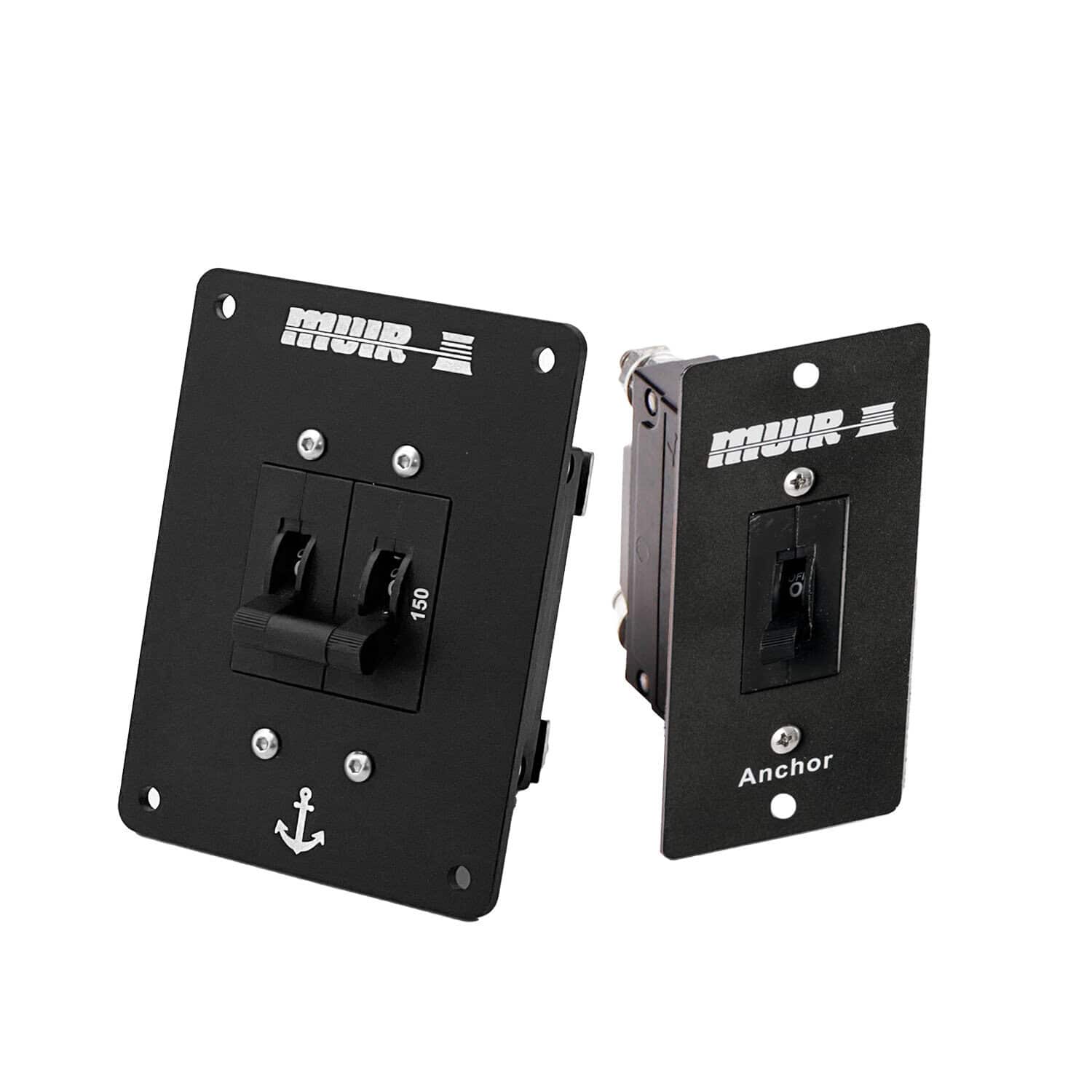
- Circuit breaker and deck switch kits, for a second station or a spare.
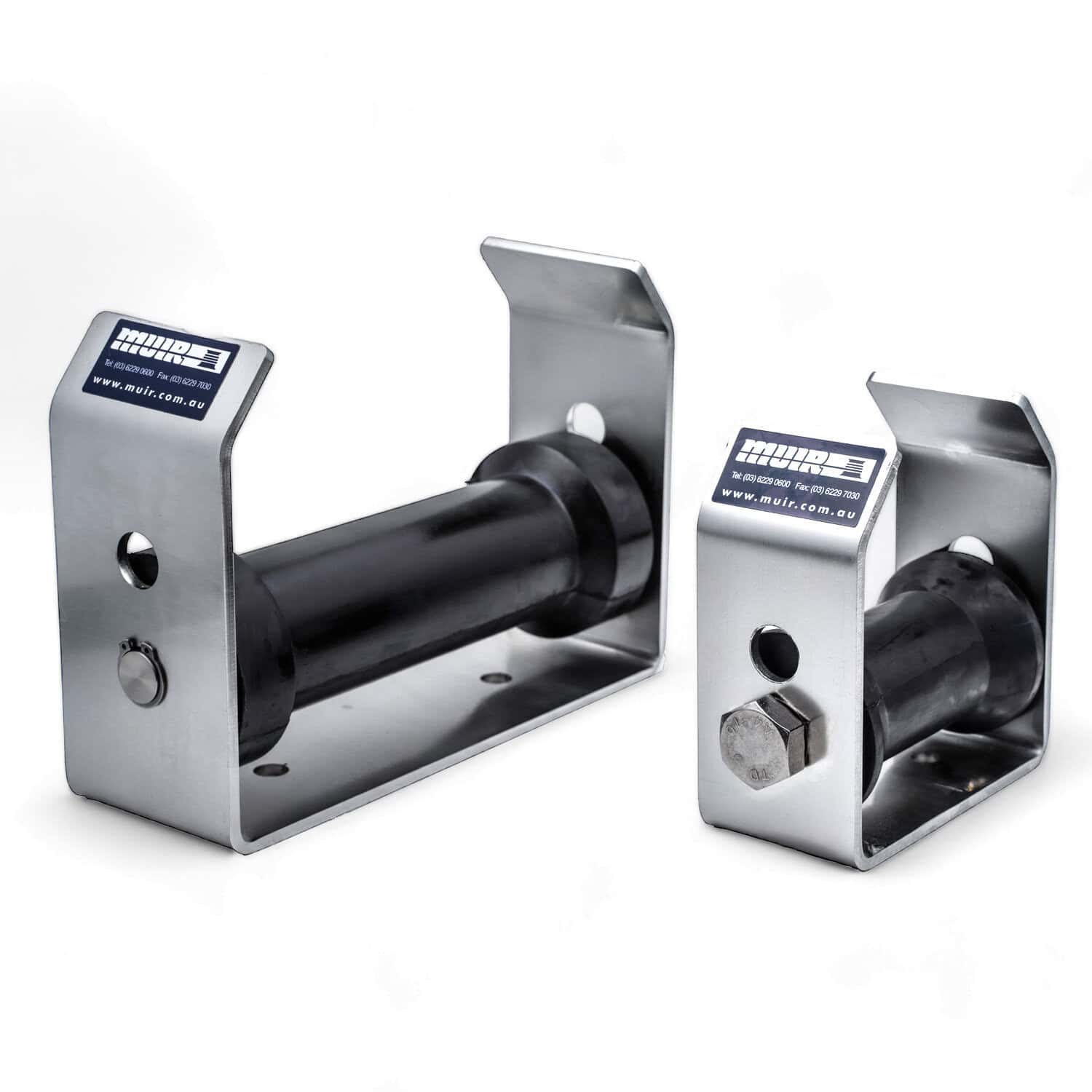
One more worth knowing about if you run a drum winch: guide rollers at $42.00. A drum needs the rode to spool evenly, and a guide roller does that job so you do not have to stand over it.
Anchoring, briefly
- Motor up into the wind and drop as the boat stops, so the chain lays out in a line rather than piling on the anchor.
- Pay out to scope, then set. Five to one in settled weather. Back the engine gently until the chain comes taut and the boat stops moving.
- Transfer the load to the snubber or stopper. This is the step people skip.
- Take a transit or set an anchor alarm, and check it after the tide turns.
- Break out with the engine, not the winch. Motor up over the anchor and let the hull do the work.
Frequently asked questions
Do I really need a chain stopper if I have a snubber?
A snubber alone is enough for a lunch stop in settled water. If you anchor overnight, in swell, or often, fit a stopper as well. They do different jobs: the stopper holds mechanically, the snubber absorbs shock.
What scope should I use?
Five to one is the working figure, measured from the bow roller to the seabed rather than from the waterline. Seven to one if it is blowing or you are staying the night. Less than four to one and the pull on the anchor starts lifting rather than dragging it in.
Do you sell anchor swivels?
Not at present. If your rode twists, the usual cause is the anchor rotating as it comes over the roller rather than the rode itself, and a correctly sized bow roller fixes more of that than a swivel does.
Galvanized or stainless?
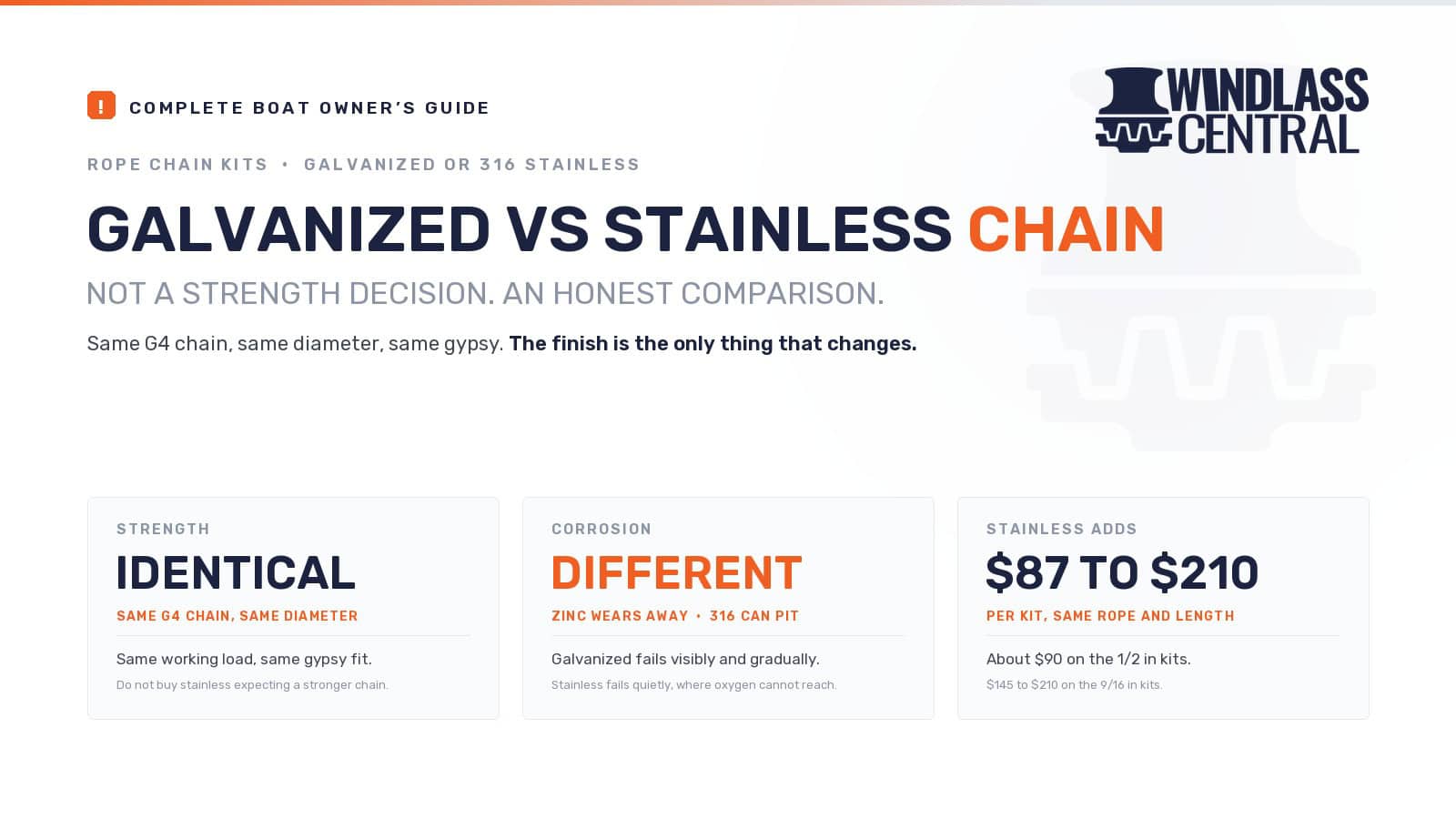
Galvanized for the working parts: anchor and chain. It costs less, and when the coating eventually goes you regalvanize rather than replace. Stainless for deck fittings that are on show, and for boats where appearance matters as much as cost.
Can I add a chain counter to an existing windlass?
Usually. Every current model above the DW 06 is Auto Anchor compatible, and the sensor reads the chain rather than the motor. Tell us your model and we will confirm before you order.
What size chain do I need?
Whatever your gypsy is cut for, which is set when the winch is built. Chain size alone is not enough either, since metric DIN 766 and US G4 differ in pitch. Check the stamp on the gypsy against the certificate for your chain.
Related guides
Stay Updated
Get the latest guides, tips, and product updates delivered to your inbox.