




Free-Fall vs Power-Down Anchor Winch (DFF vs DW): Is Free-Fall Worth It?
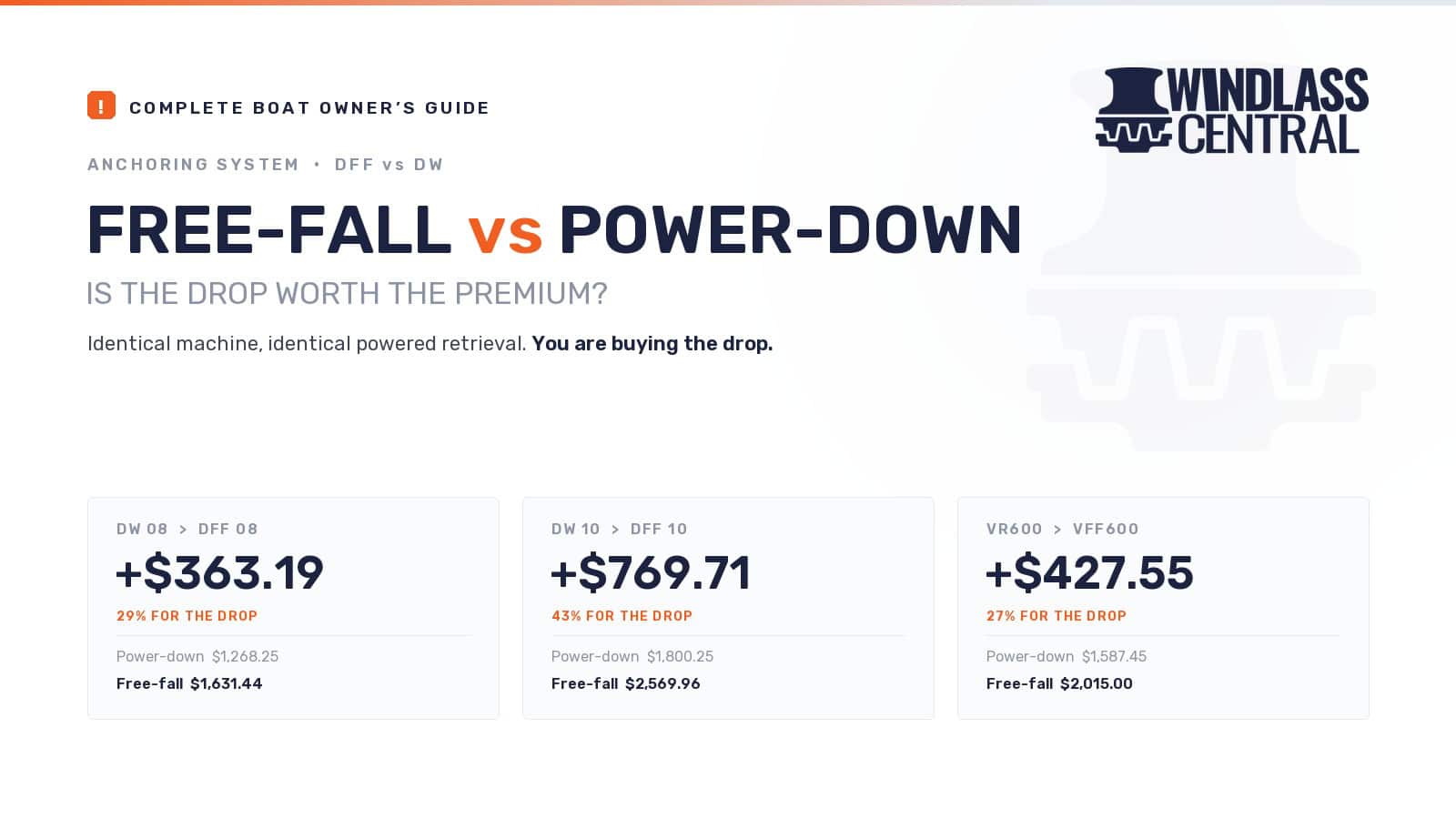
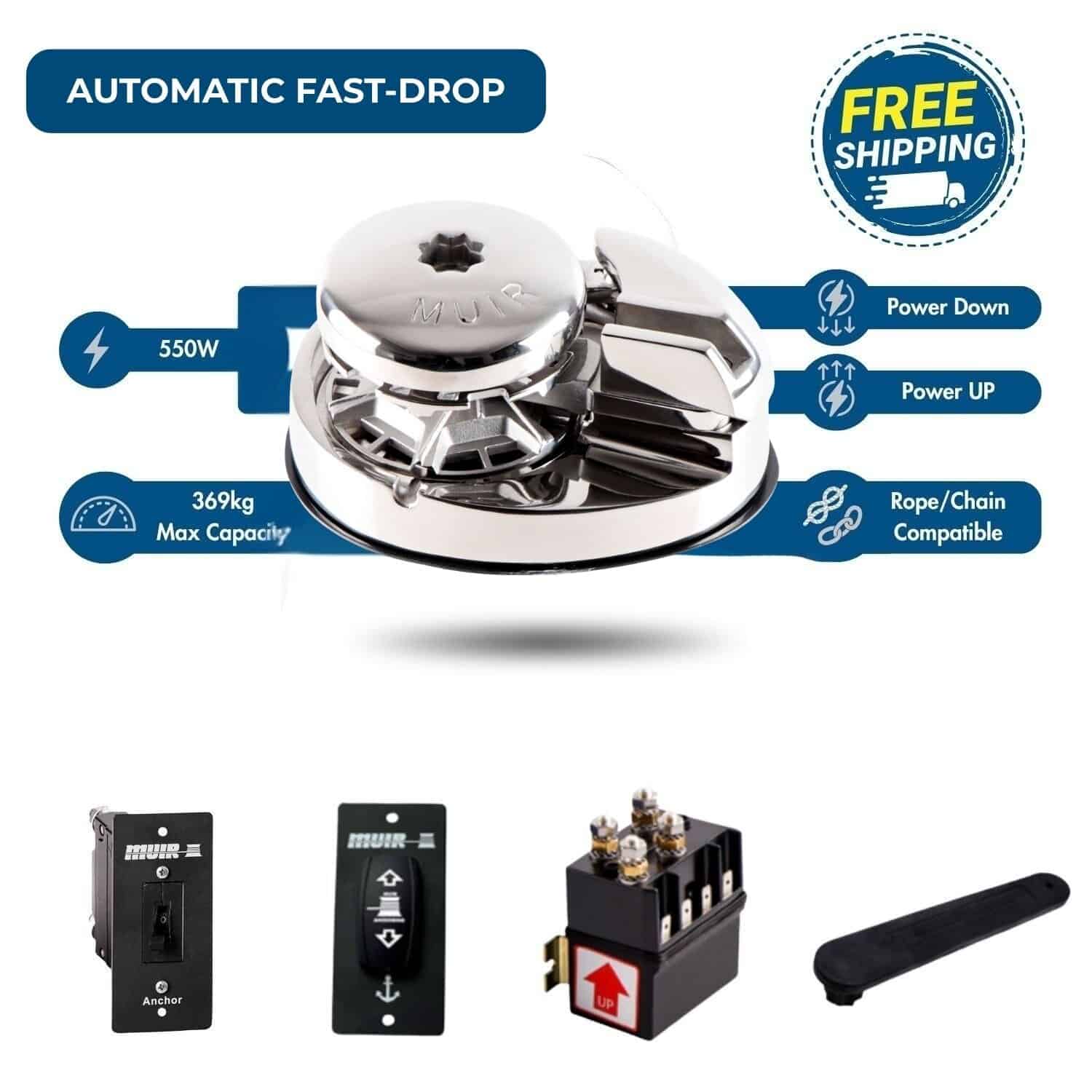
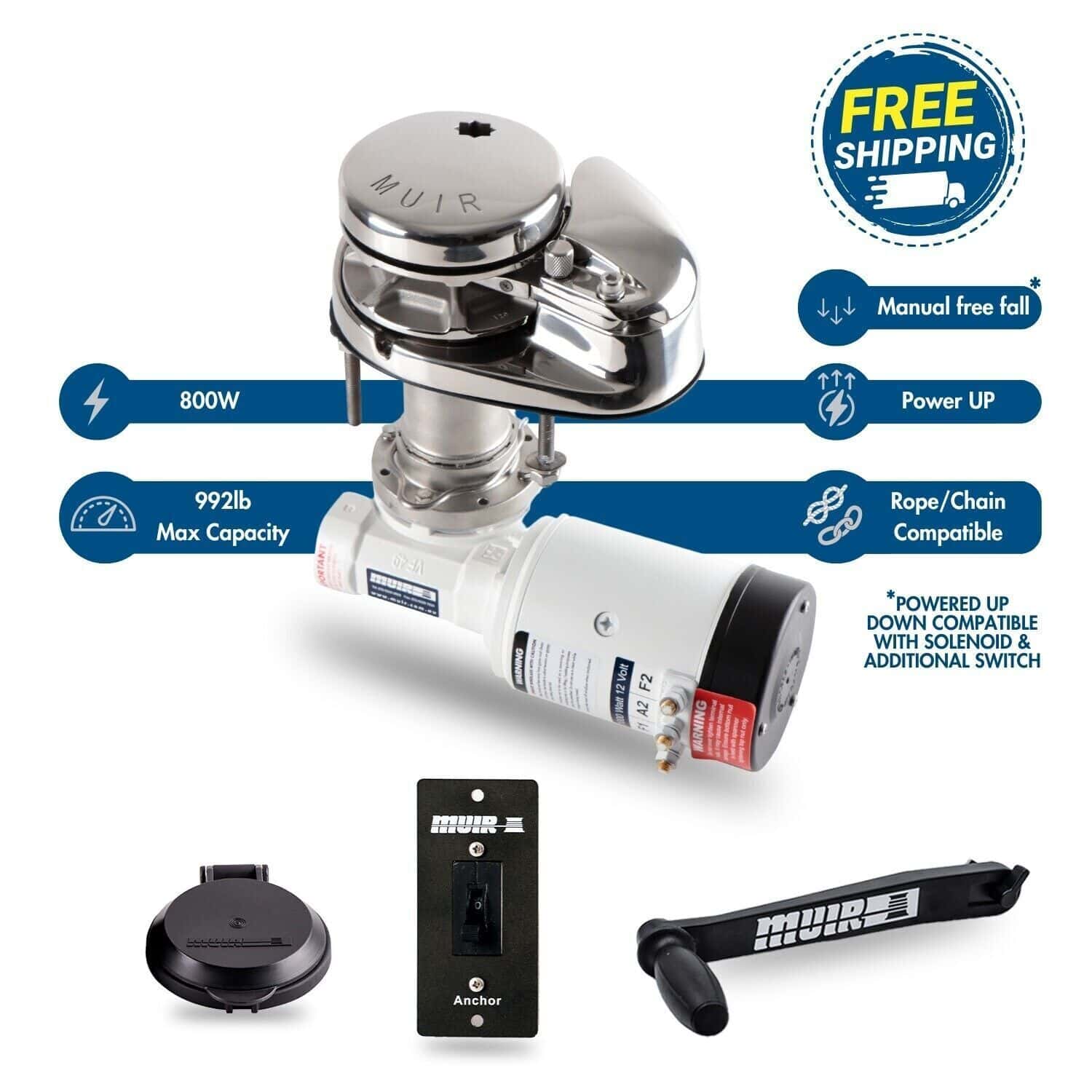
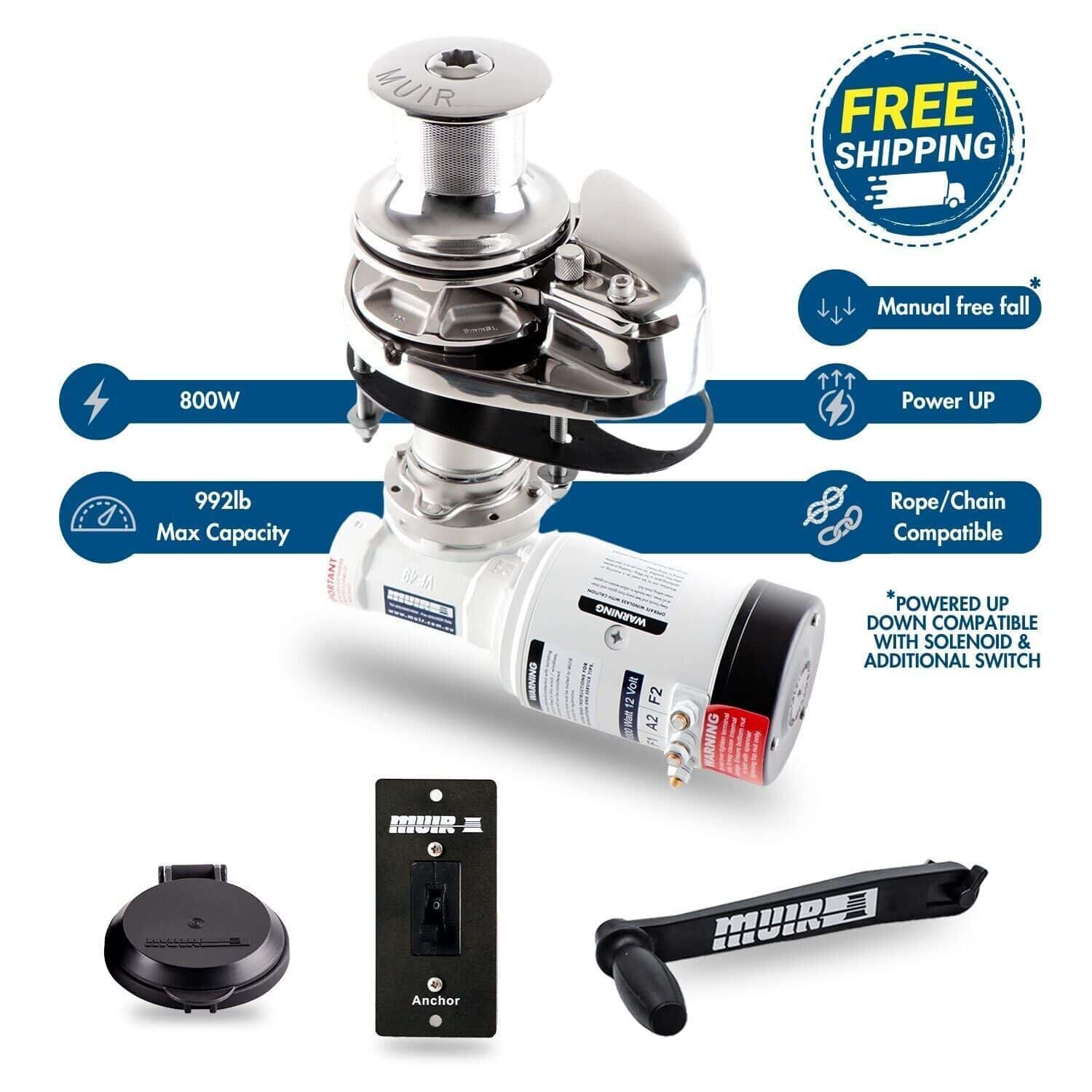
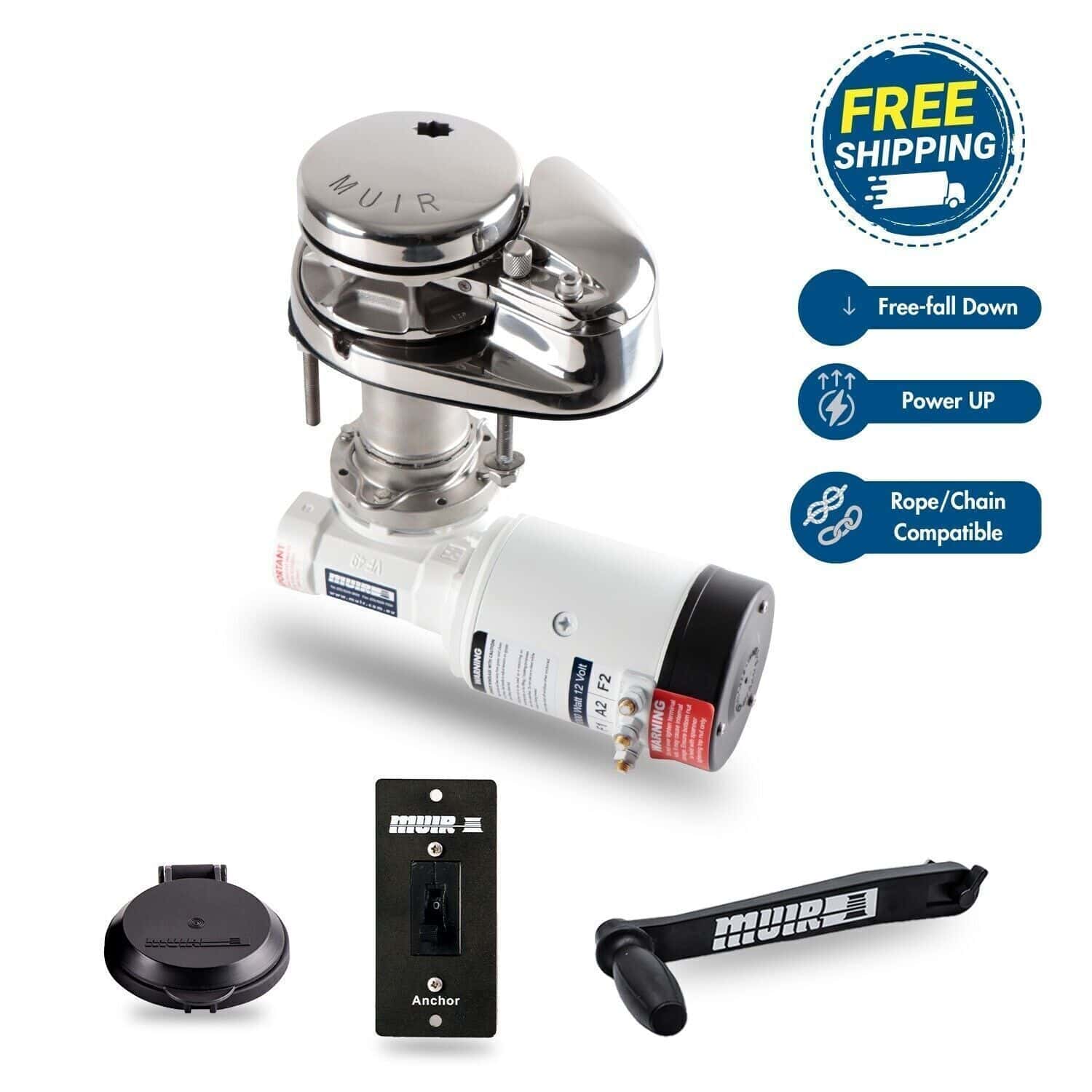
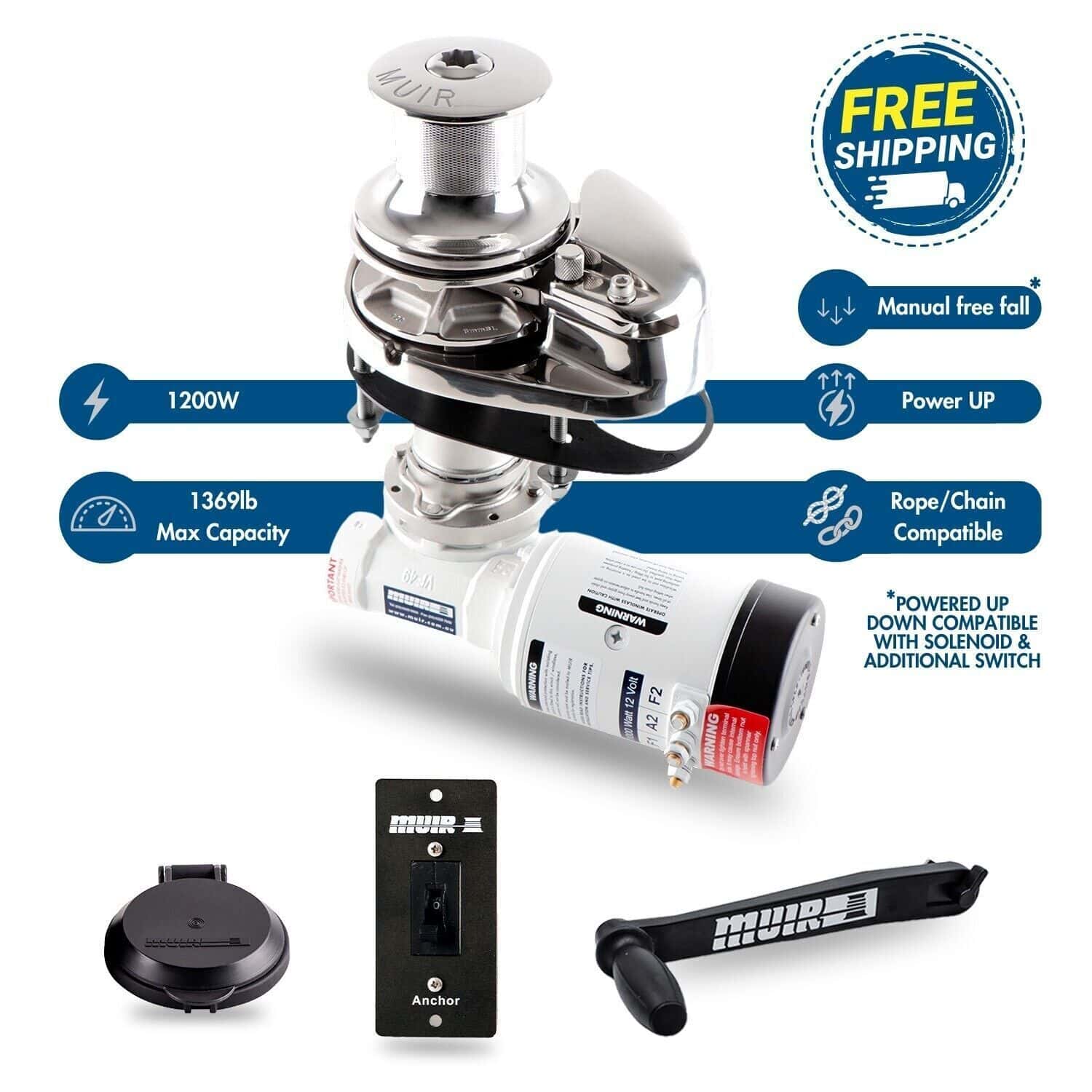
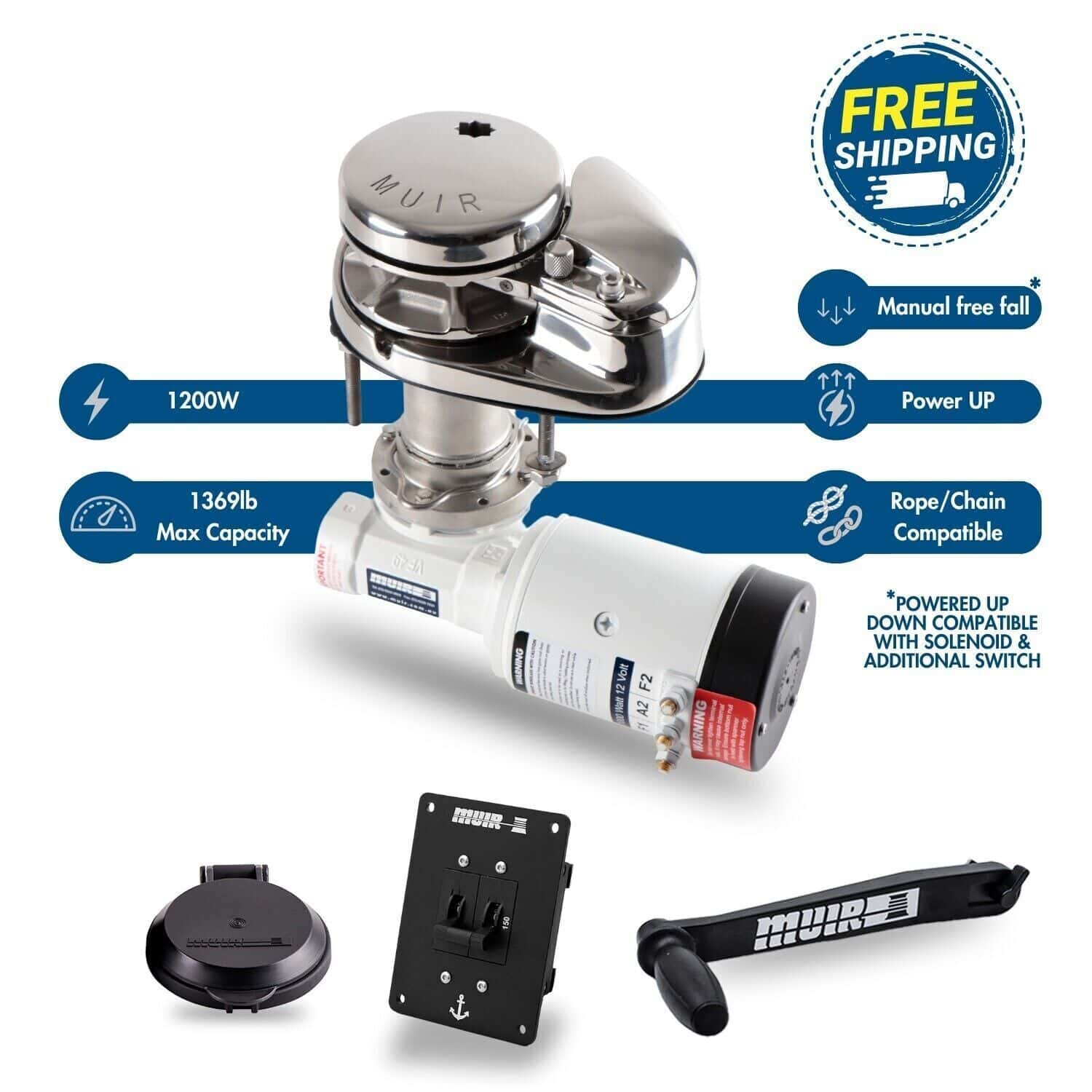
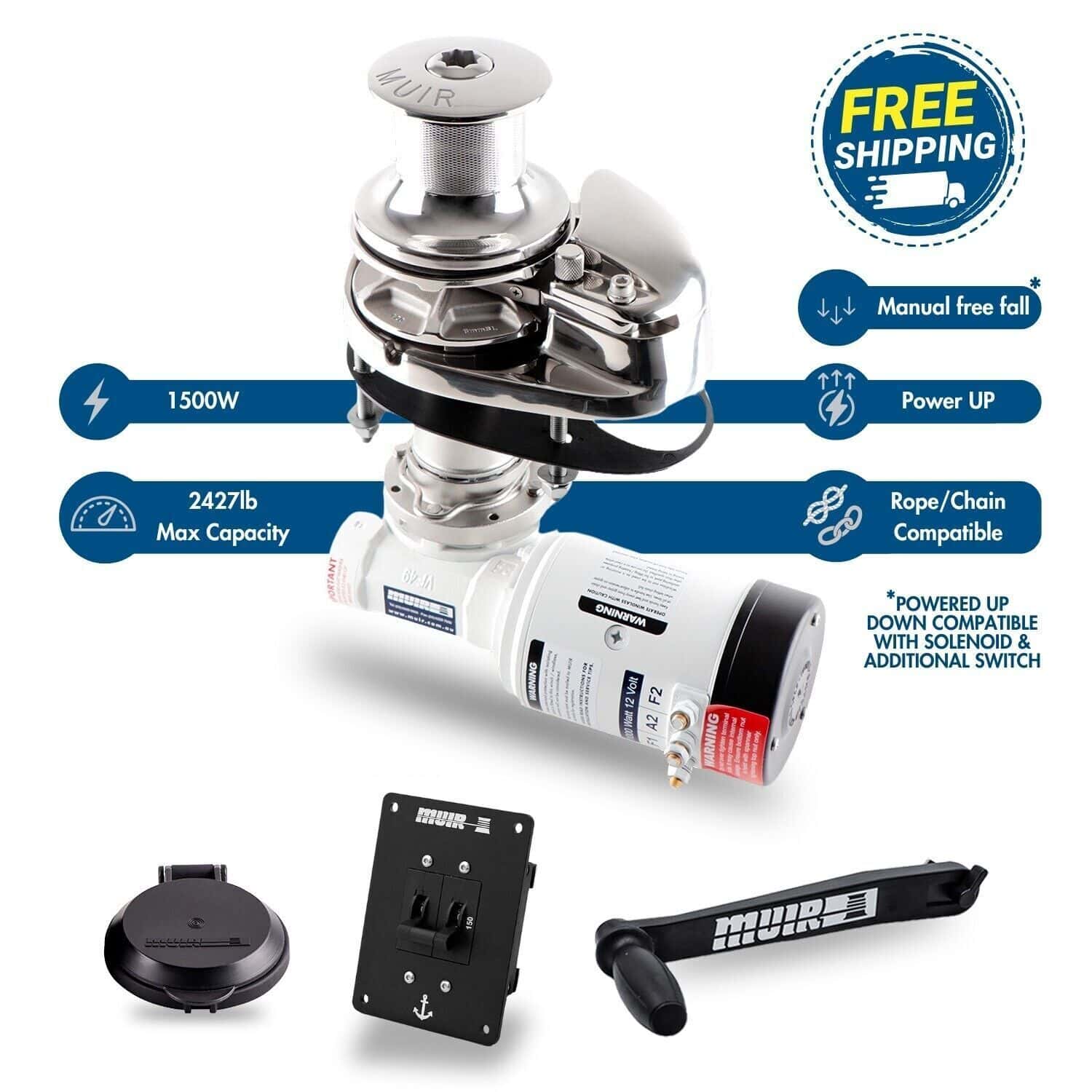
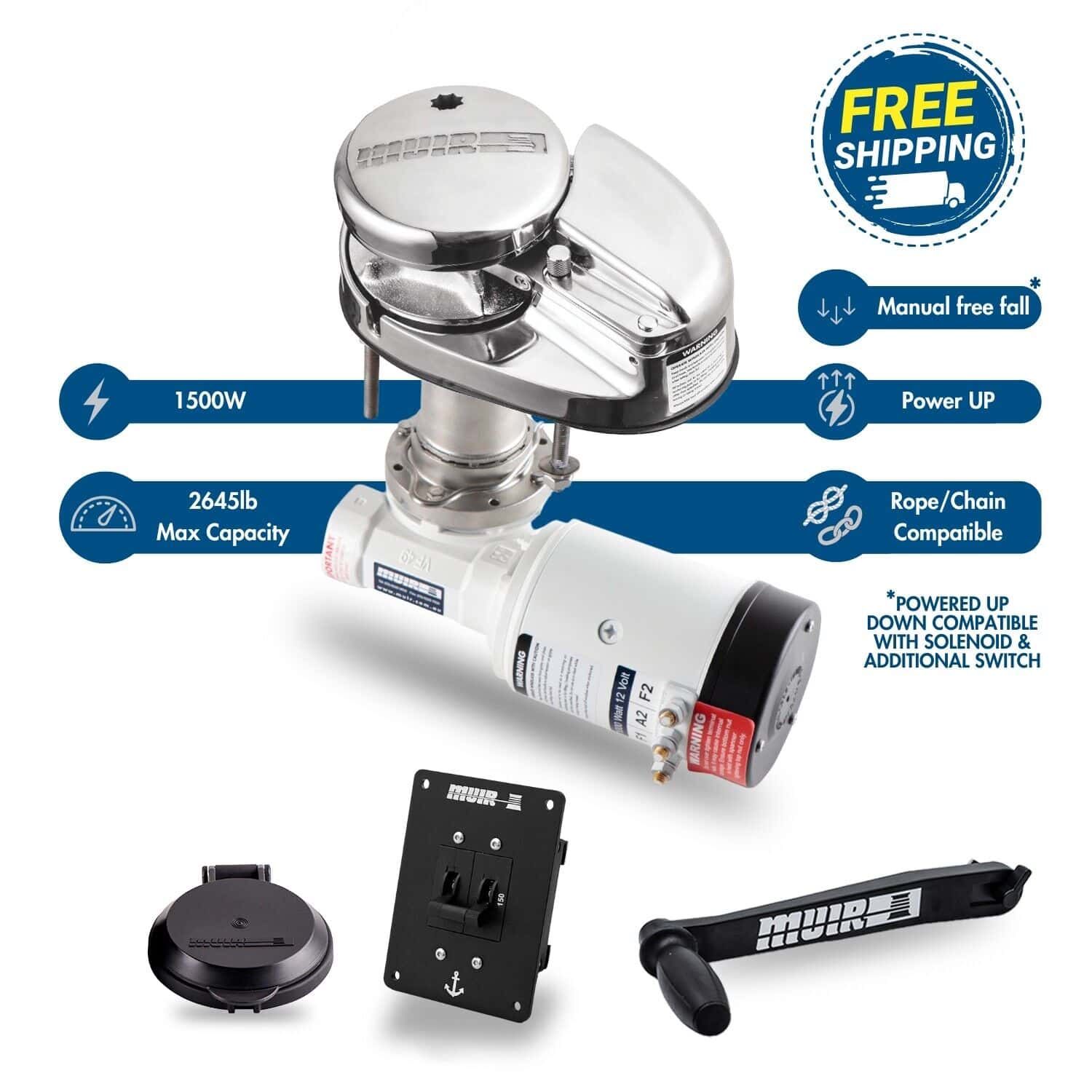
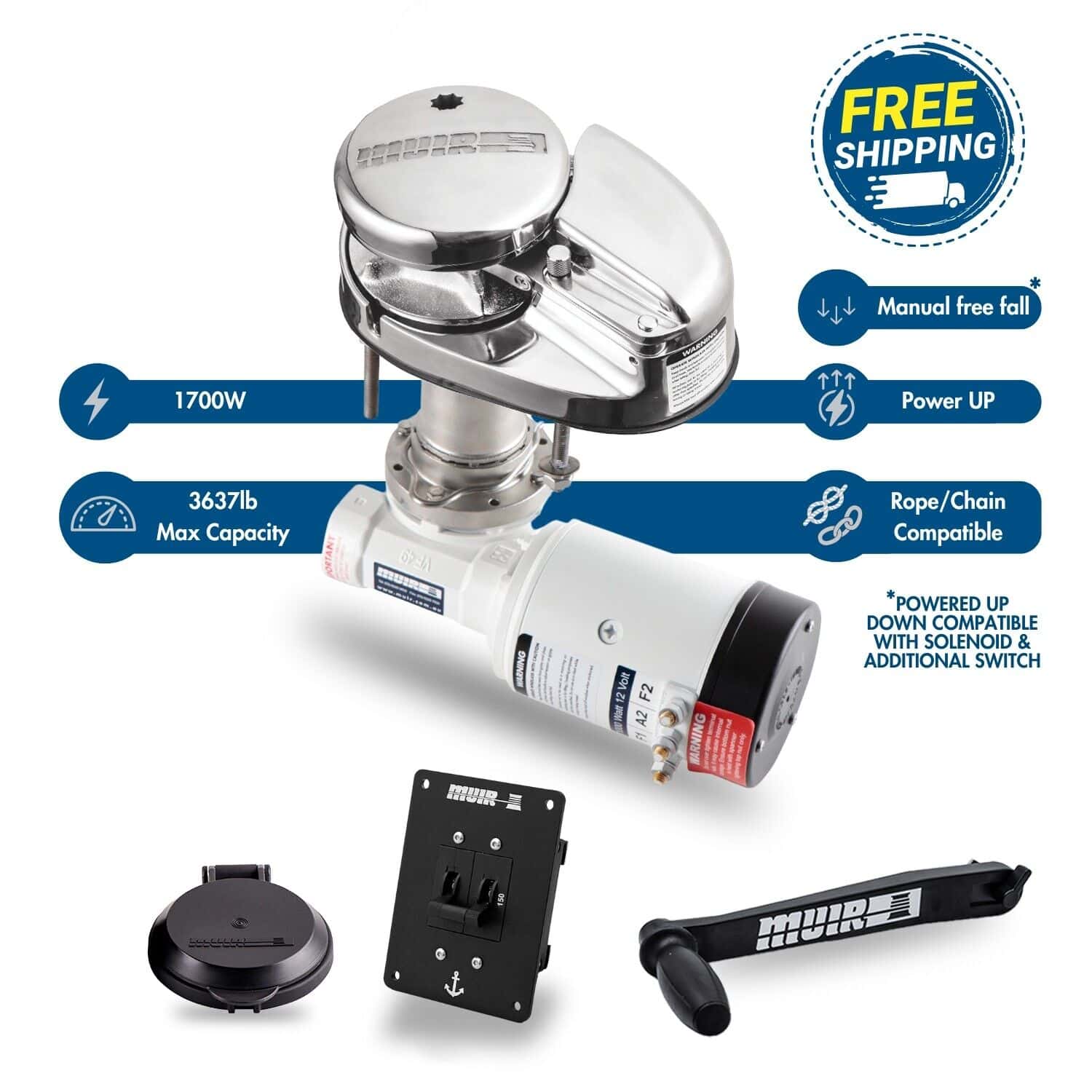
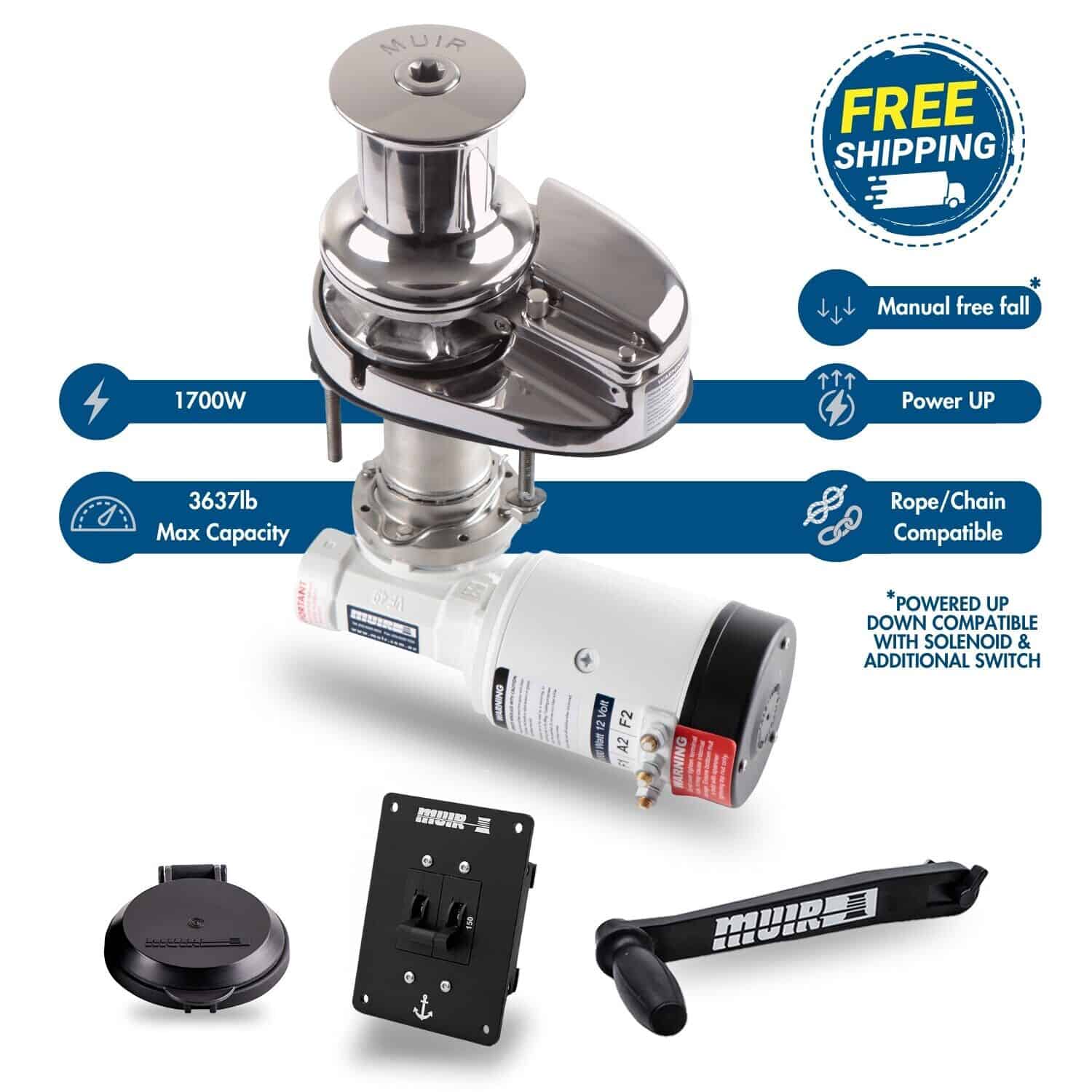
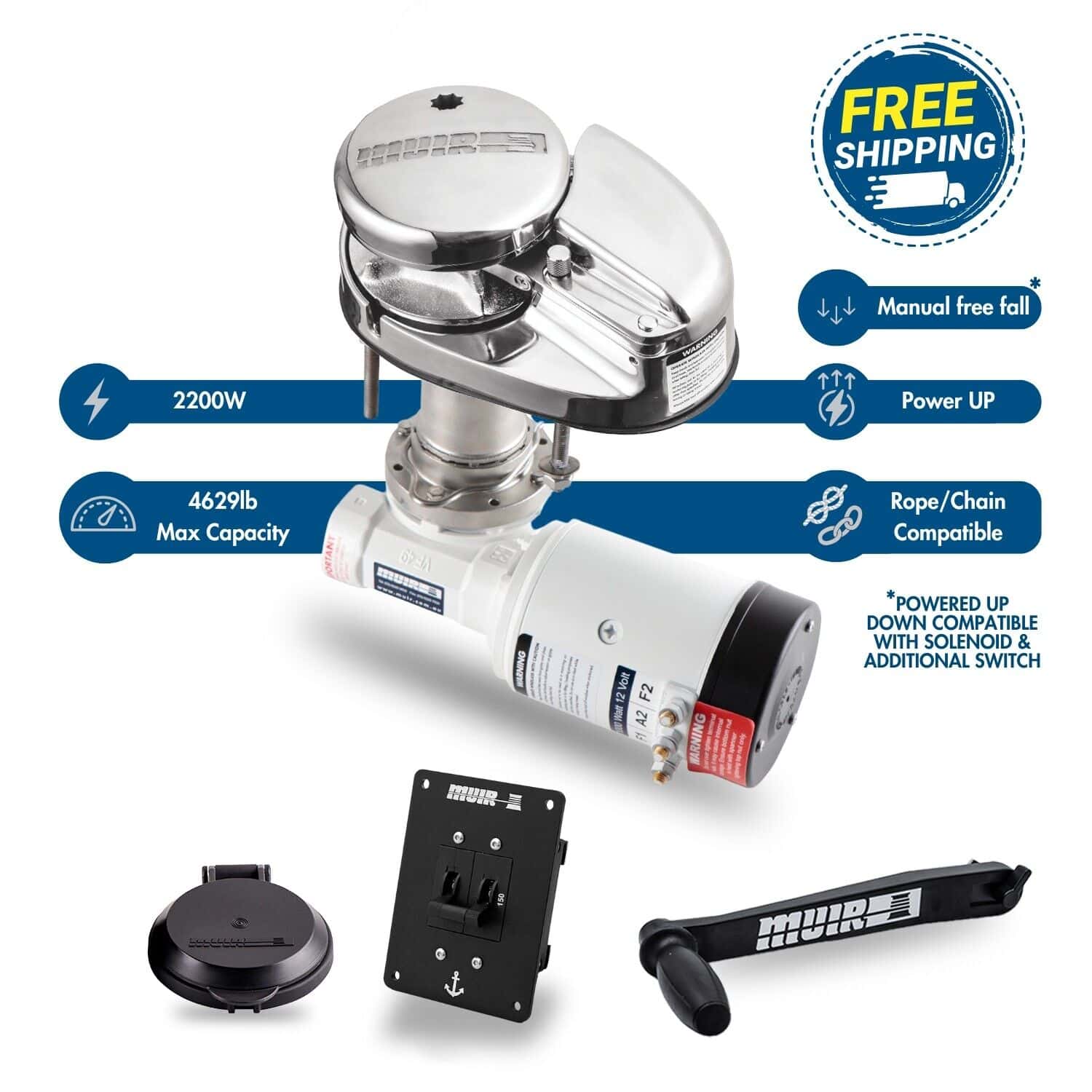
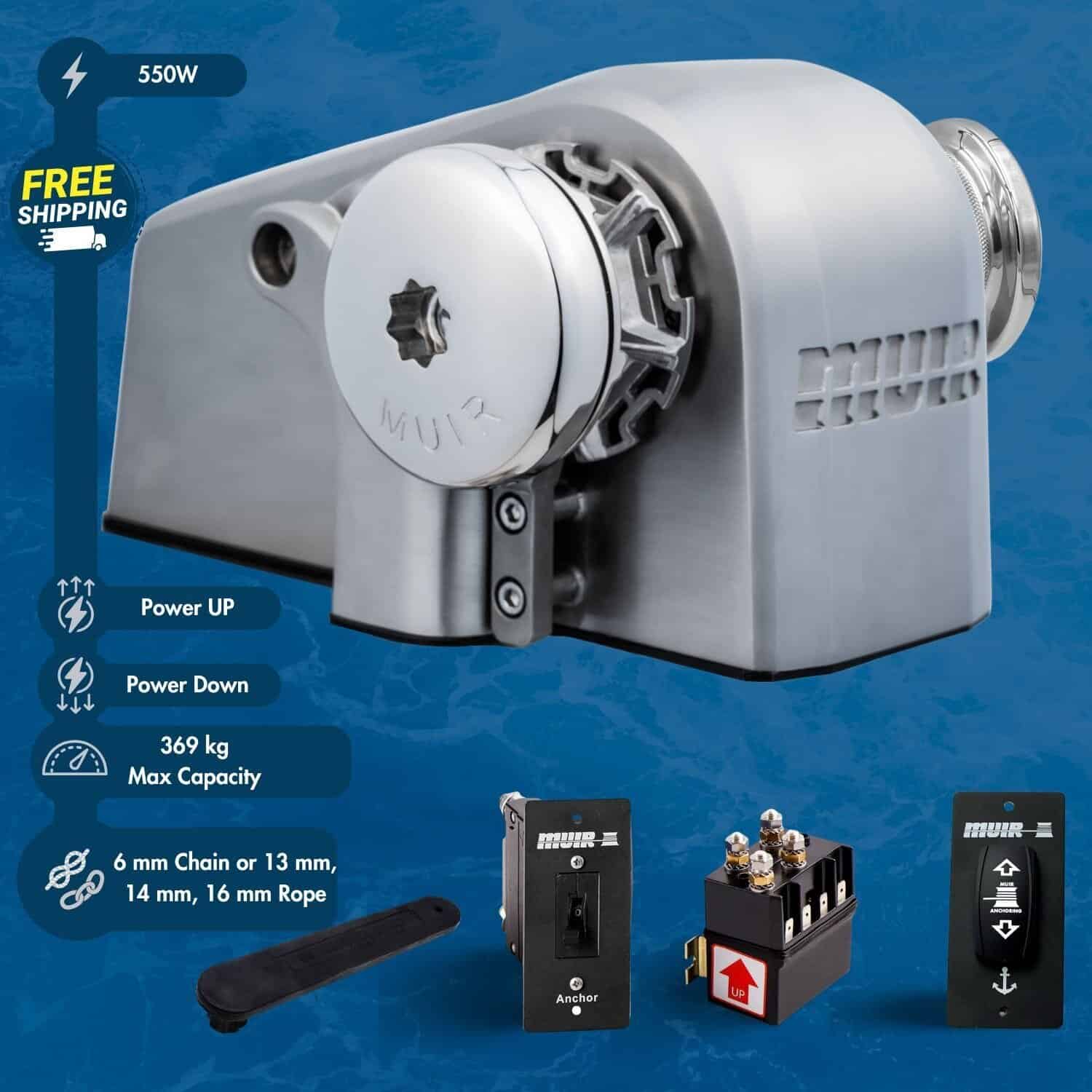
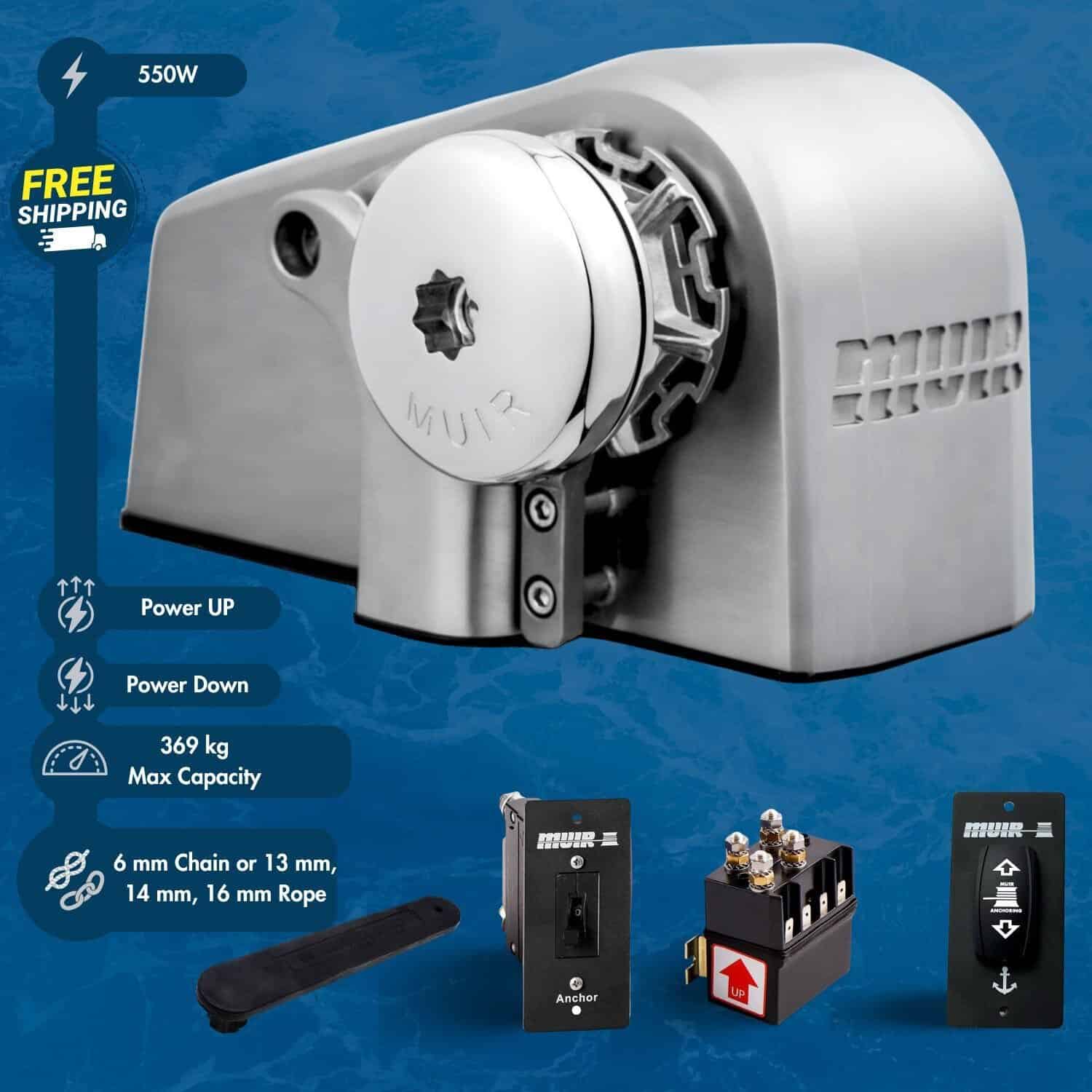
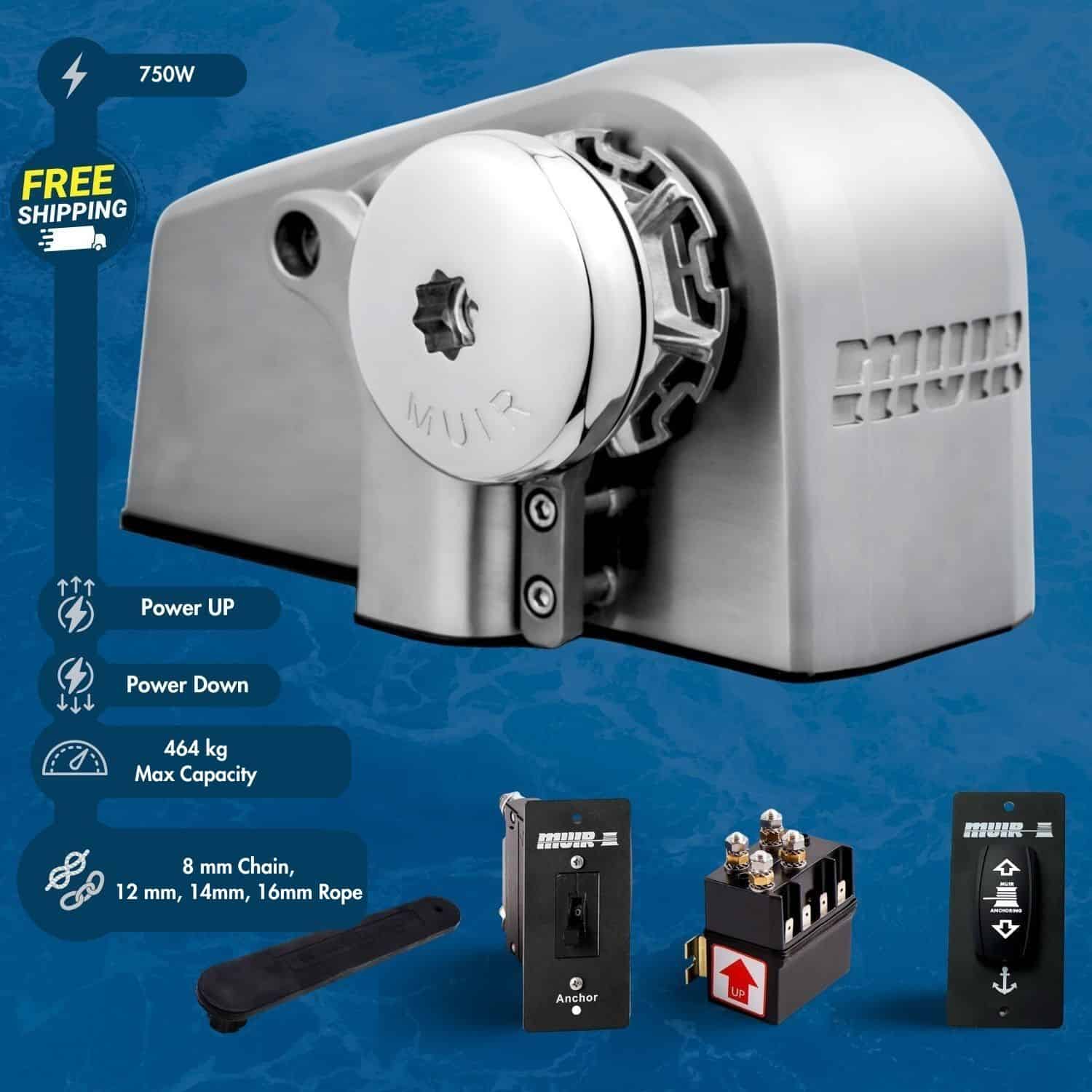
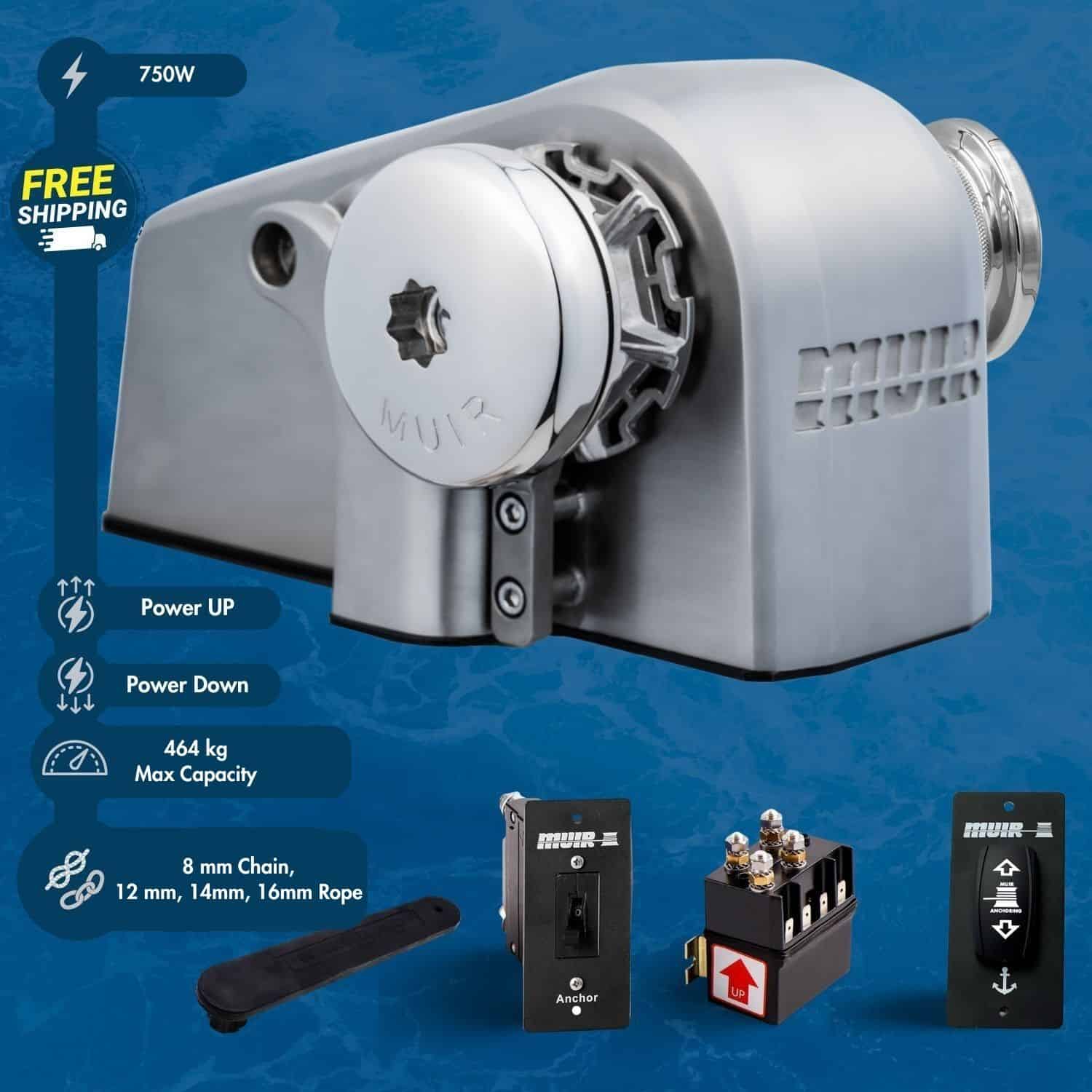
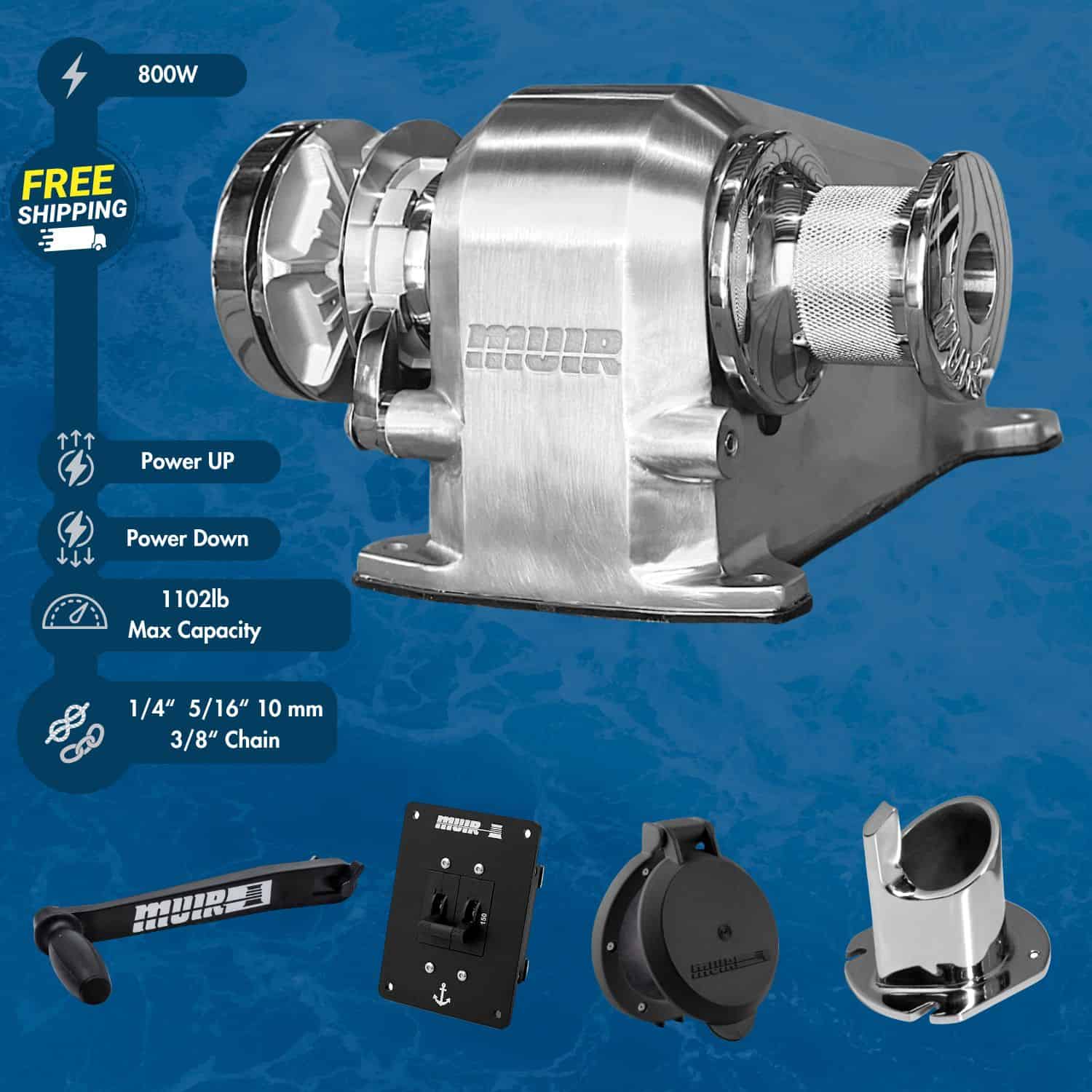
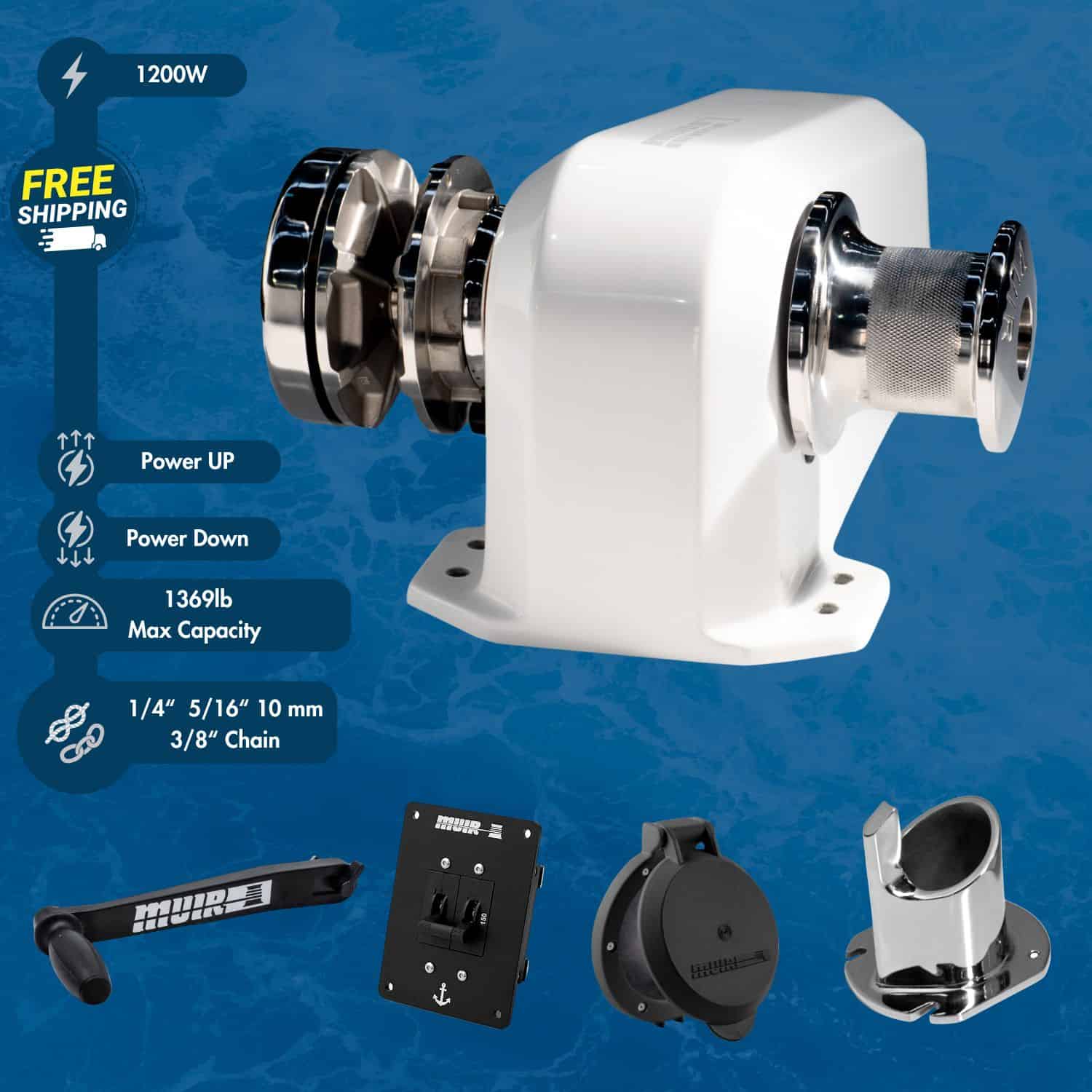
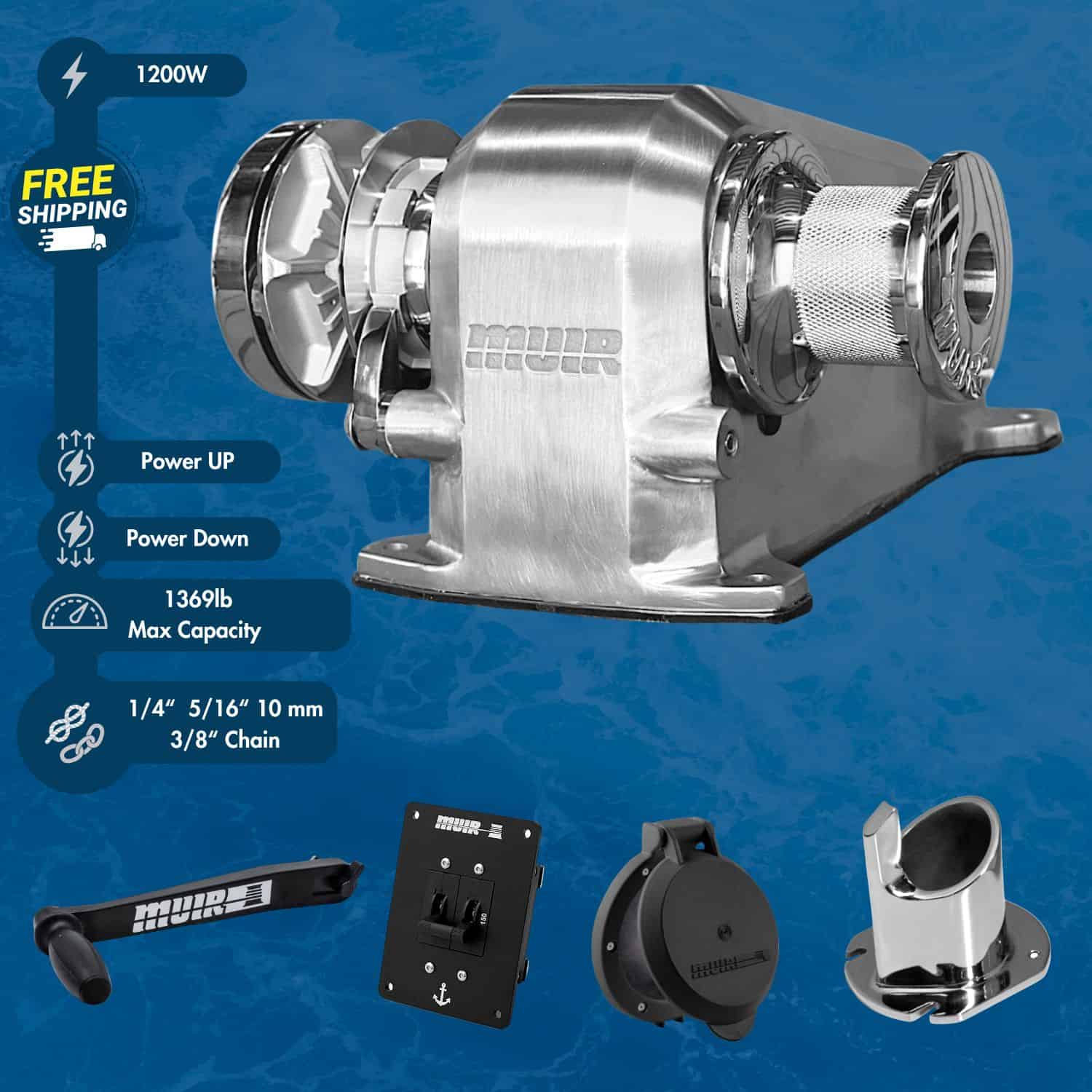
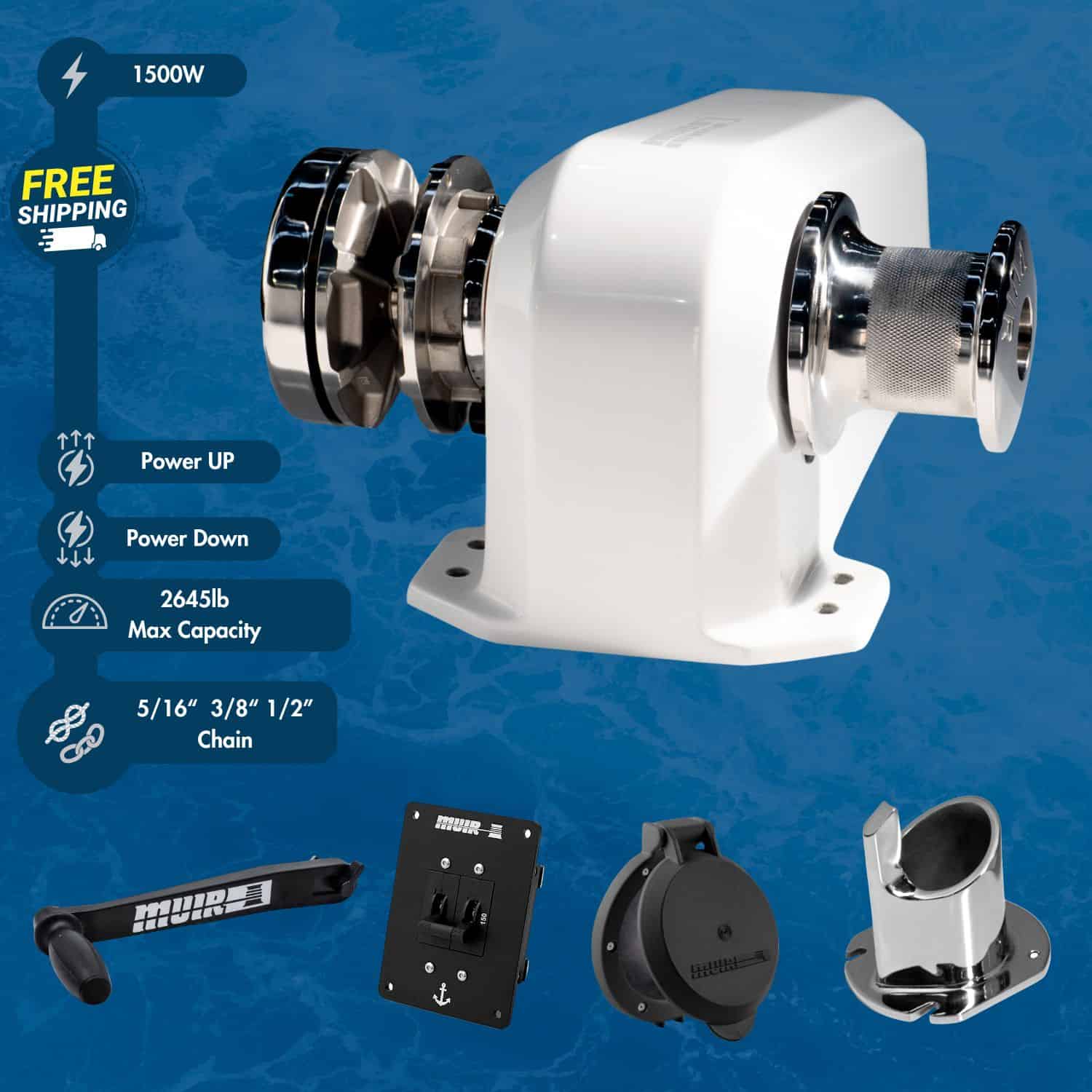
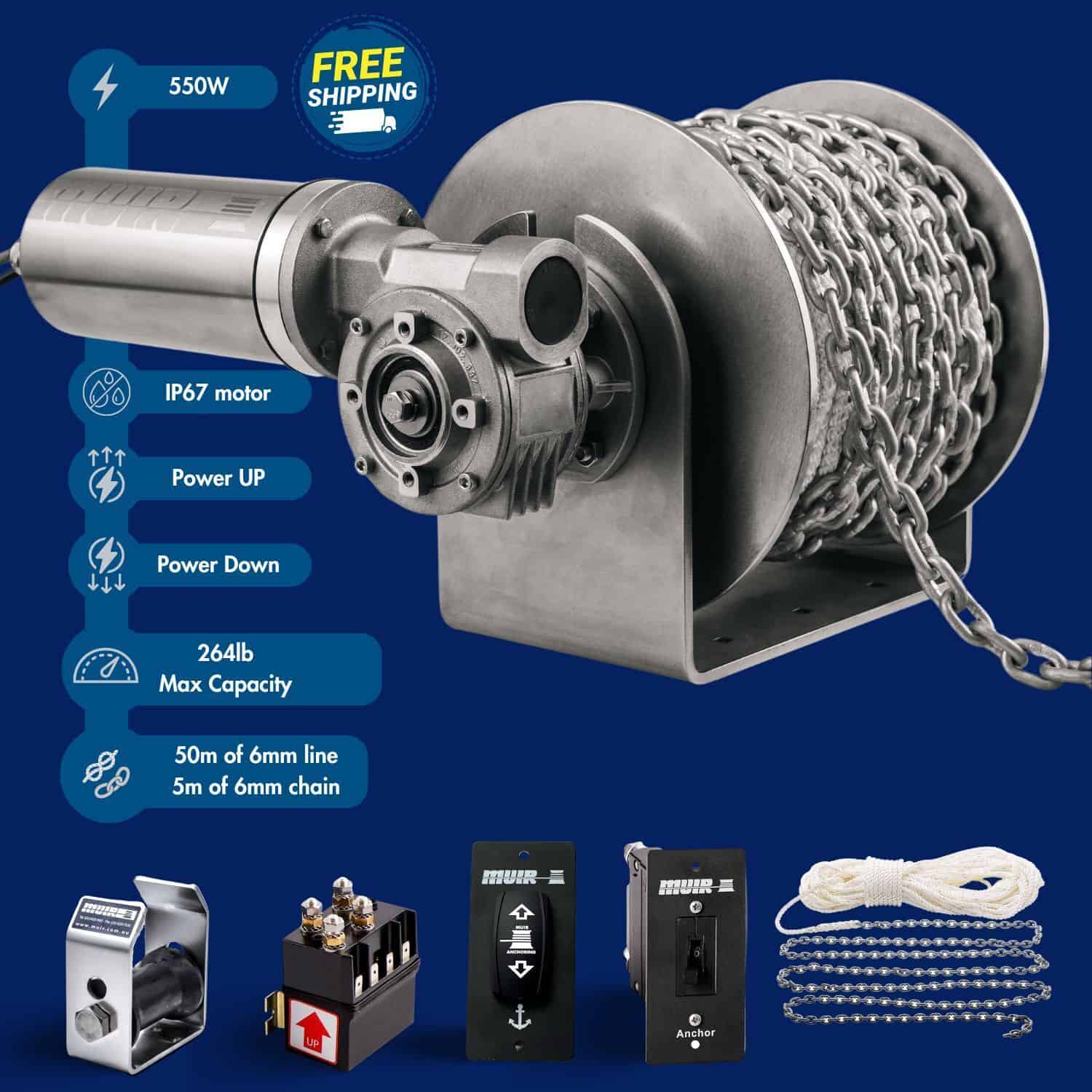
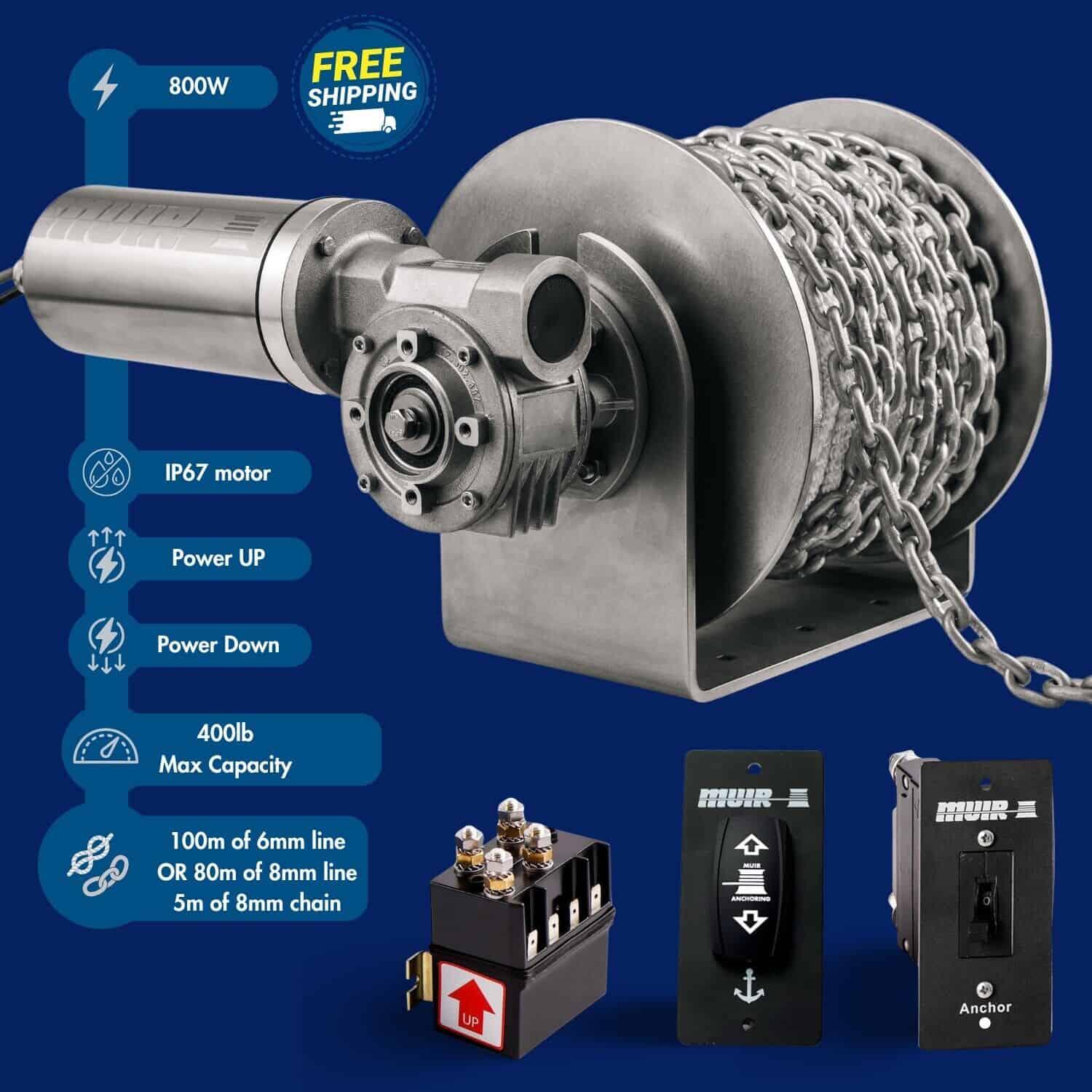
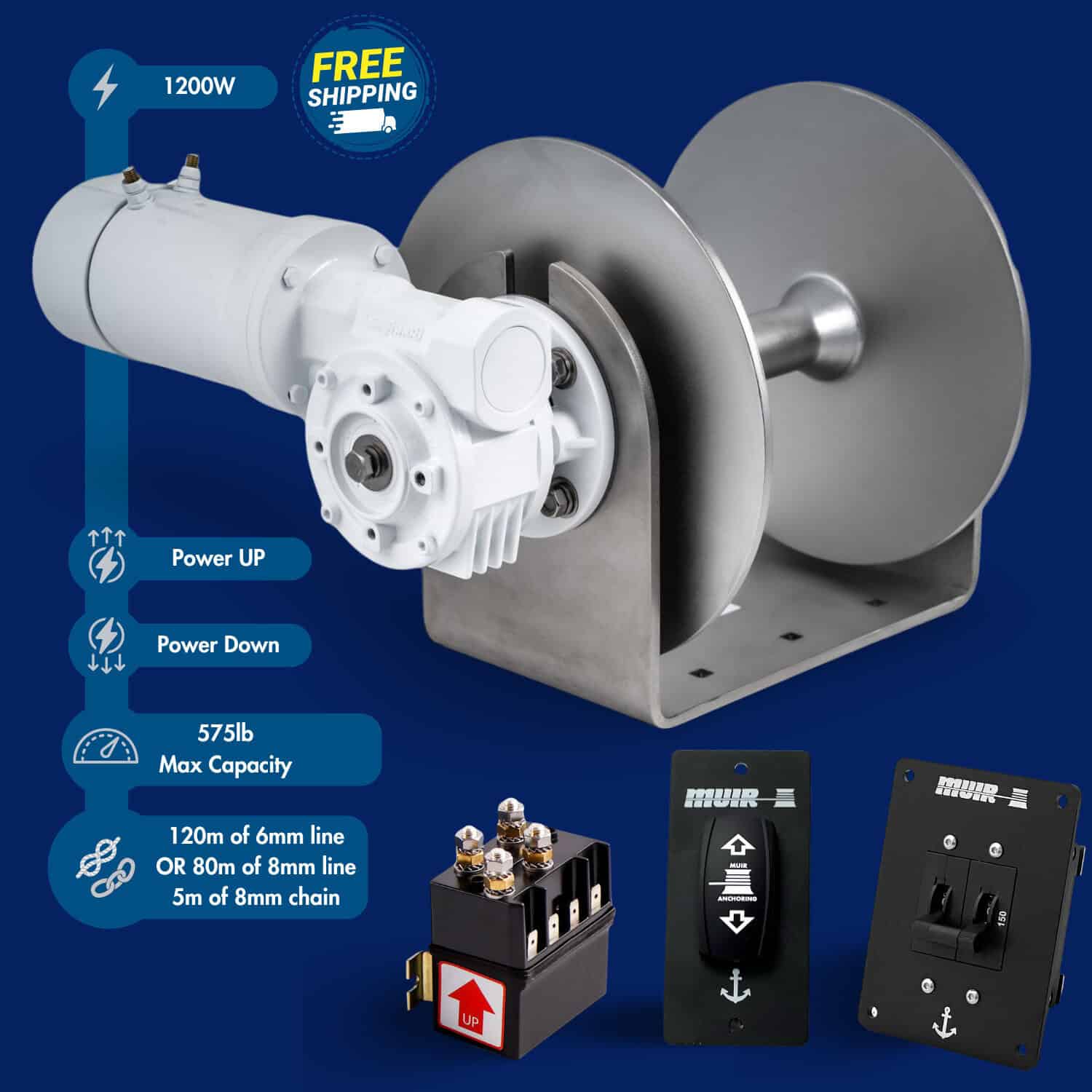
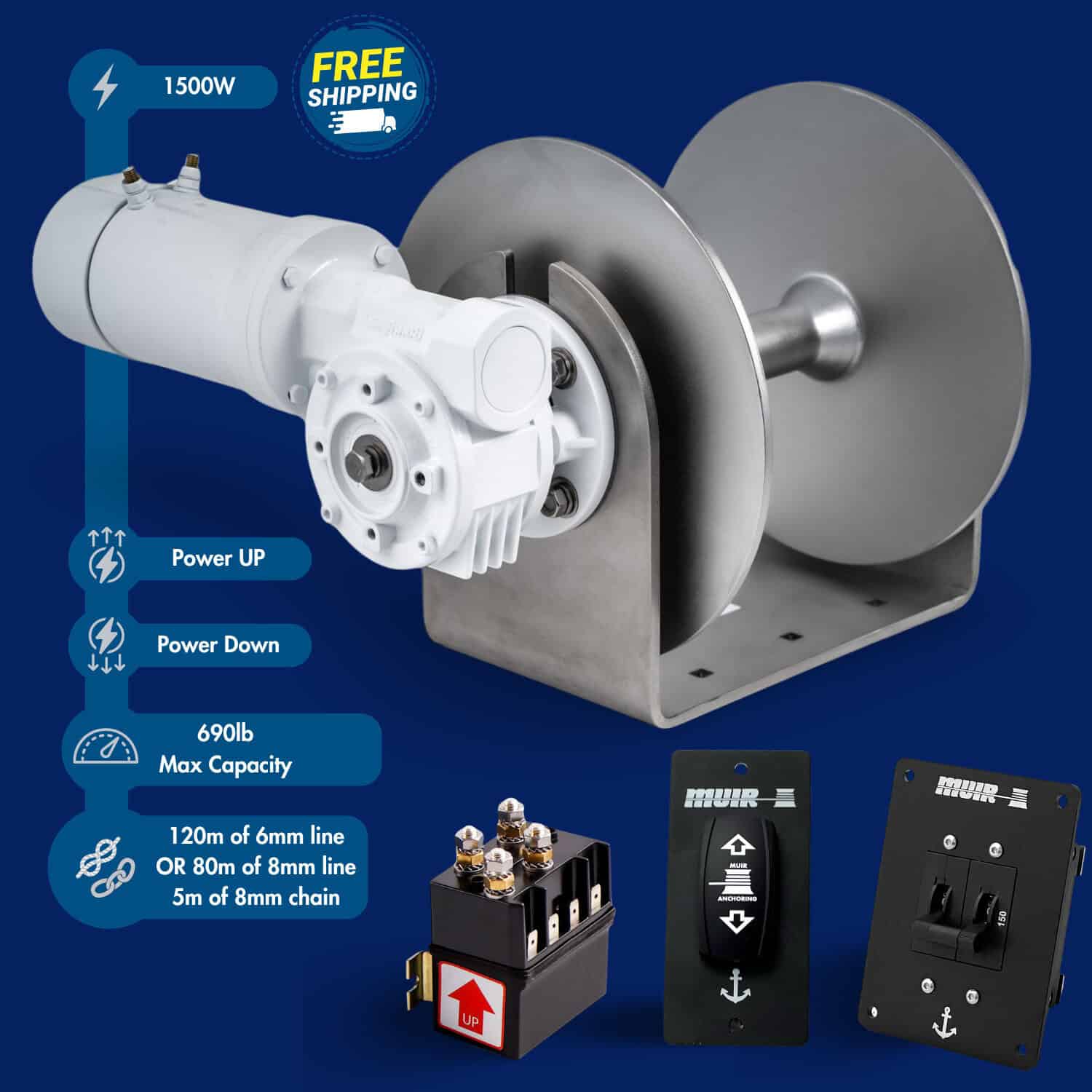
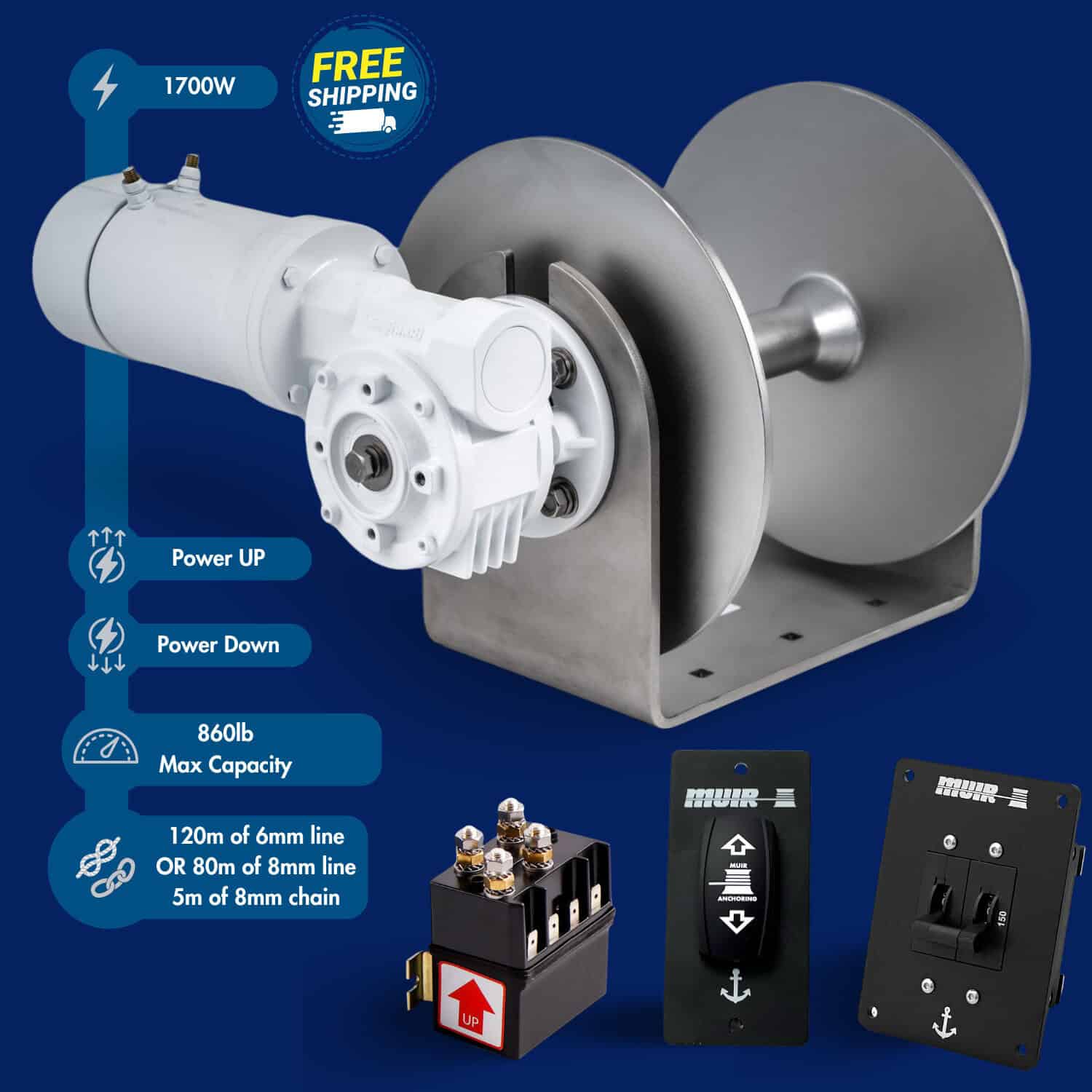
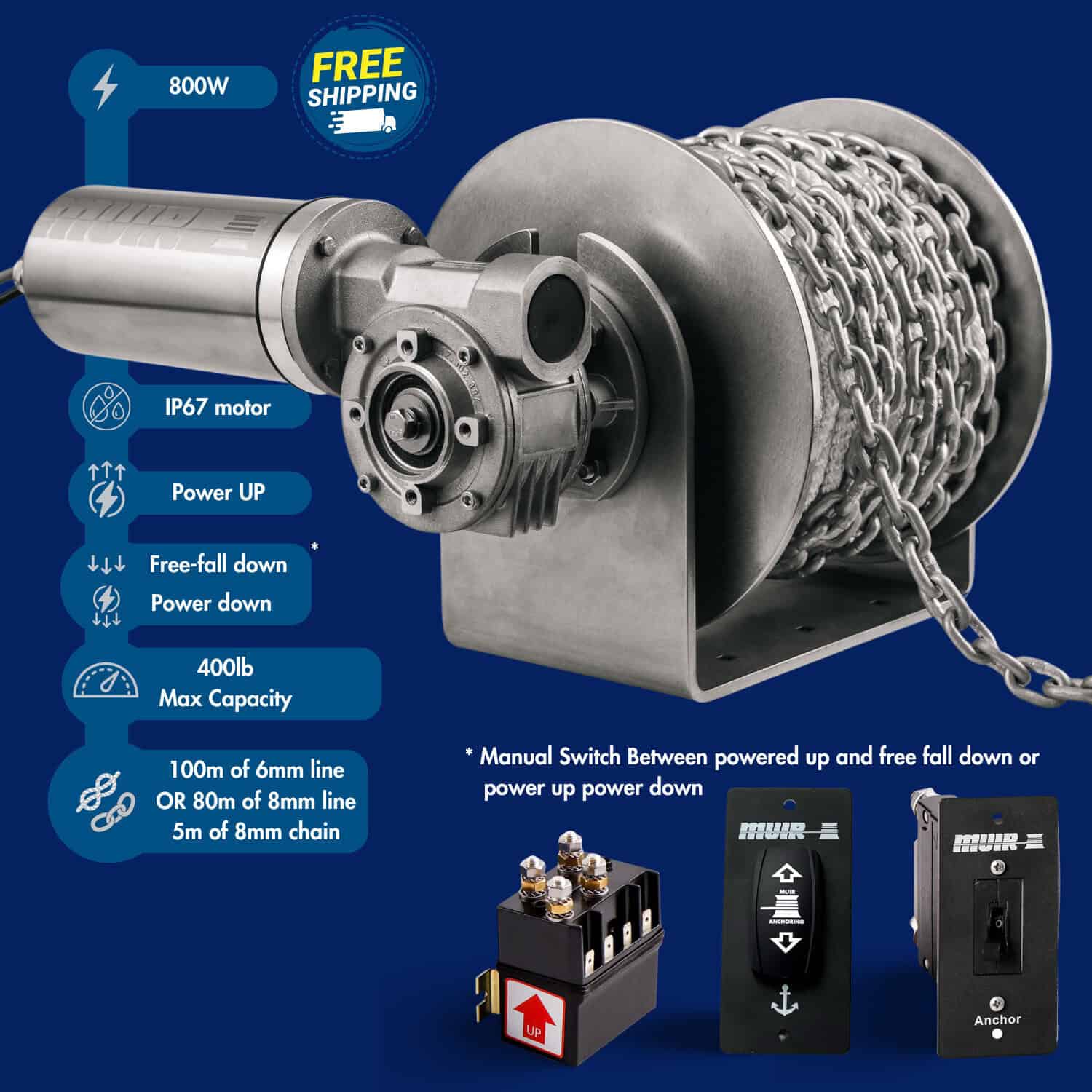
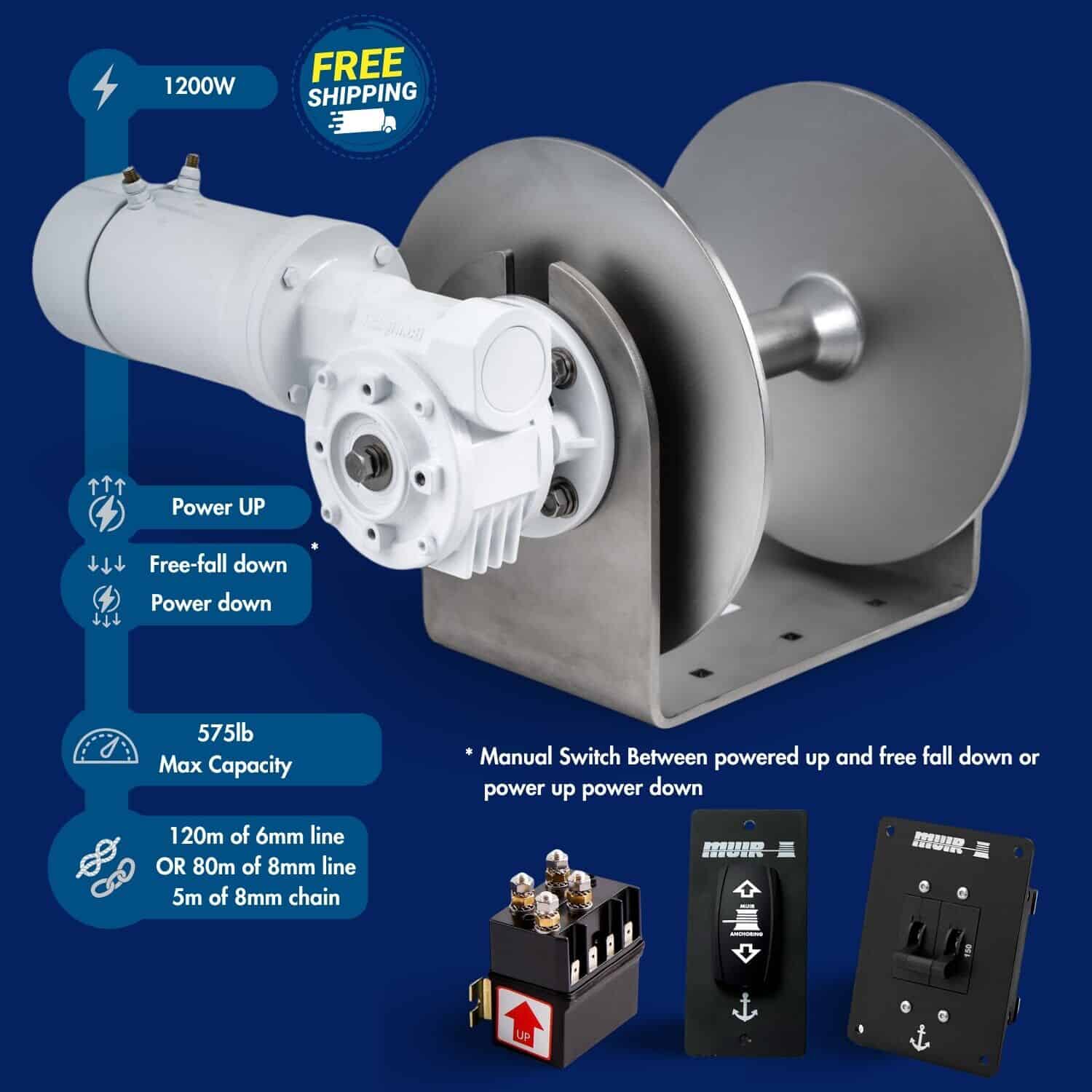
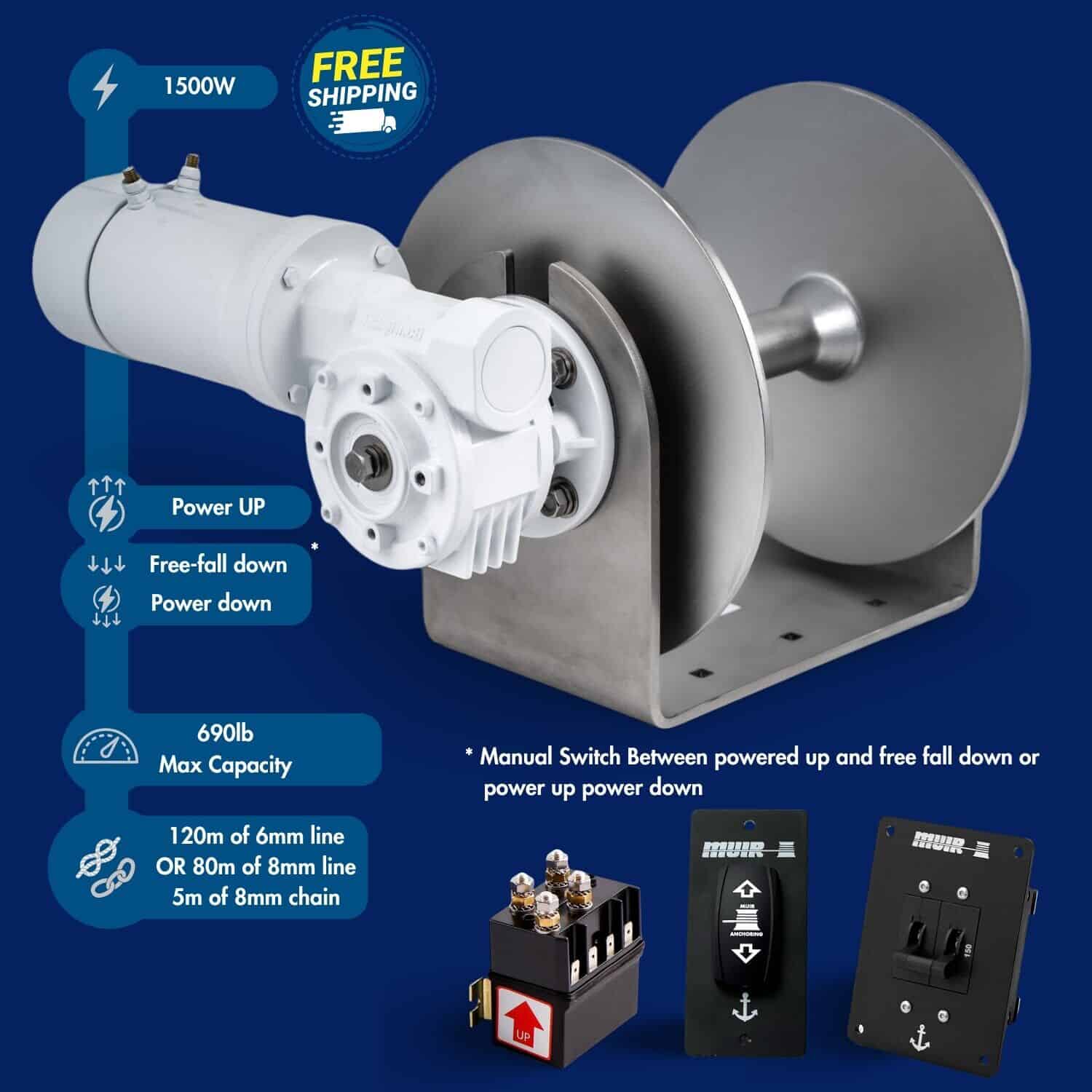
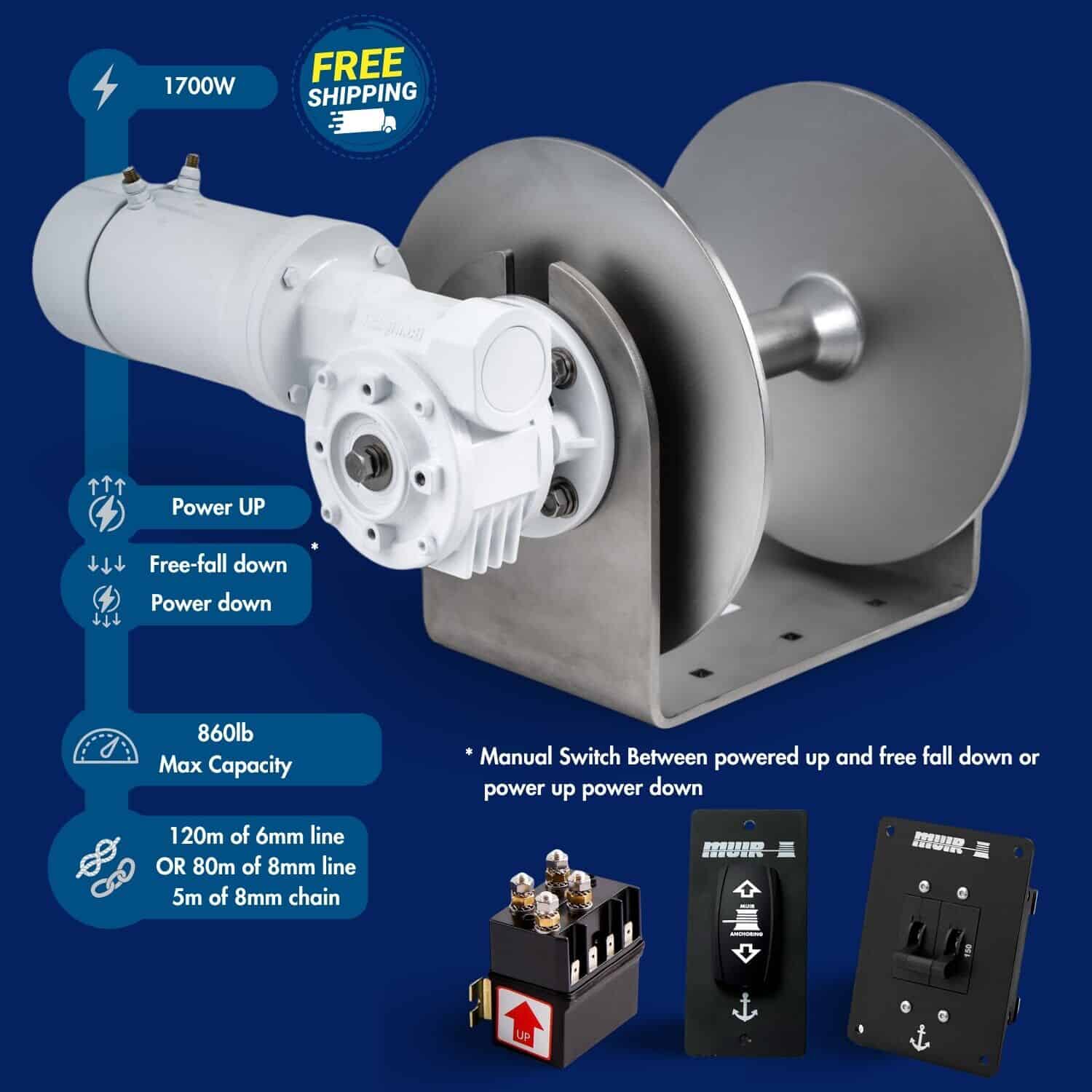
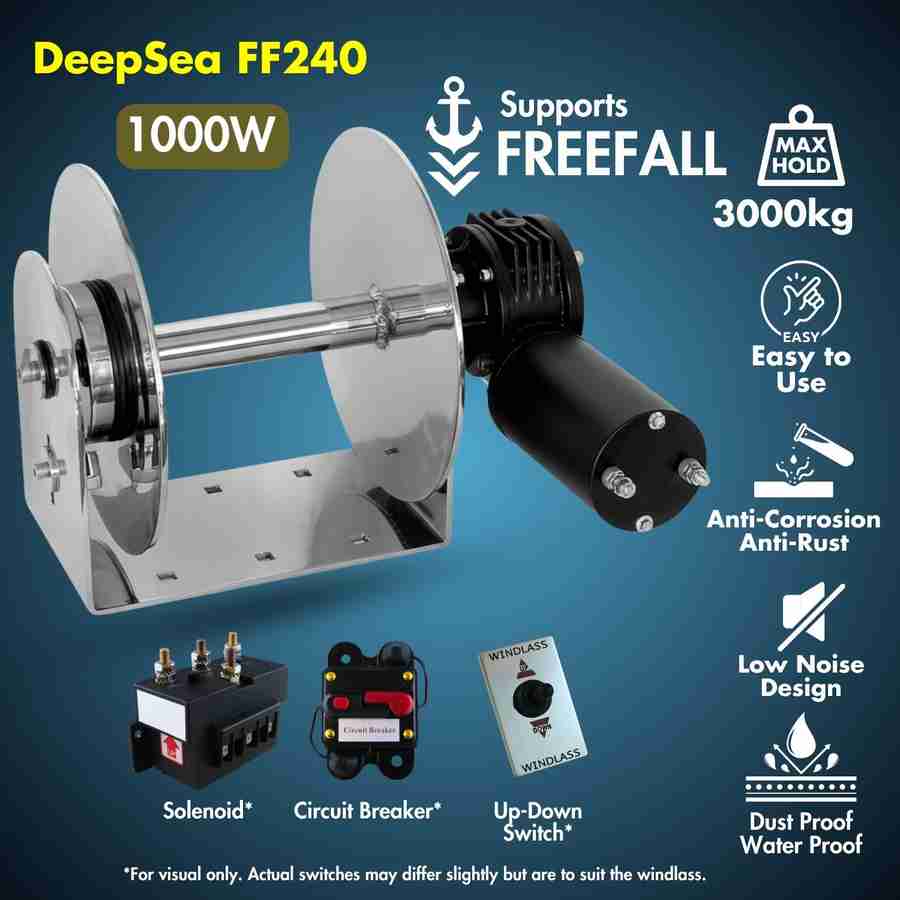
A free-fall winch is the same machine as its powered twin, with one thing added: you can release the drum and let the anchor drop under gravity instead of driving it down on the motor. Retrieval is identical. You are buying the drop and nothing else.
- Buy free-fall if you fish marks. Powered descent takes about 17 seconds in 30 ft of water, and you drift while it runs. Free-fall puts the anchor where you were, not where you have got to.
- Skip it if you anchor once and stay. Overnight in a bay, the 17 seconds costs you nothing and the premium buys nothing.
- The premium runs $107.84 to $769.71 depending on model. The DFF 08 is $363.19 over the DW 08.
What free-fall actually changes
On a power-down winch the motor controls the anchor all the way to the bottom. The rode pays out at the machine’s line speed, which on the Muir drums is 108 ft/min. In 30 ft of water that is about 17 seconds from waterline to seabed.
On a free-fall winch you declutch the drum and the anchor goes down on its own. The drum spins, the rode runs off it, and the anchor accelerates rather than descending at a fixed rate.
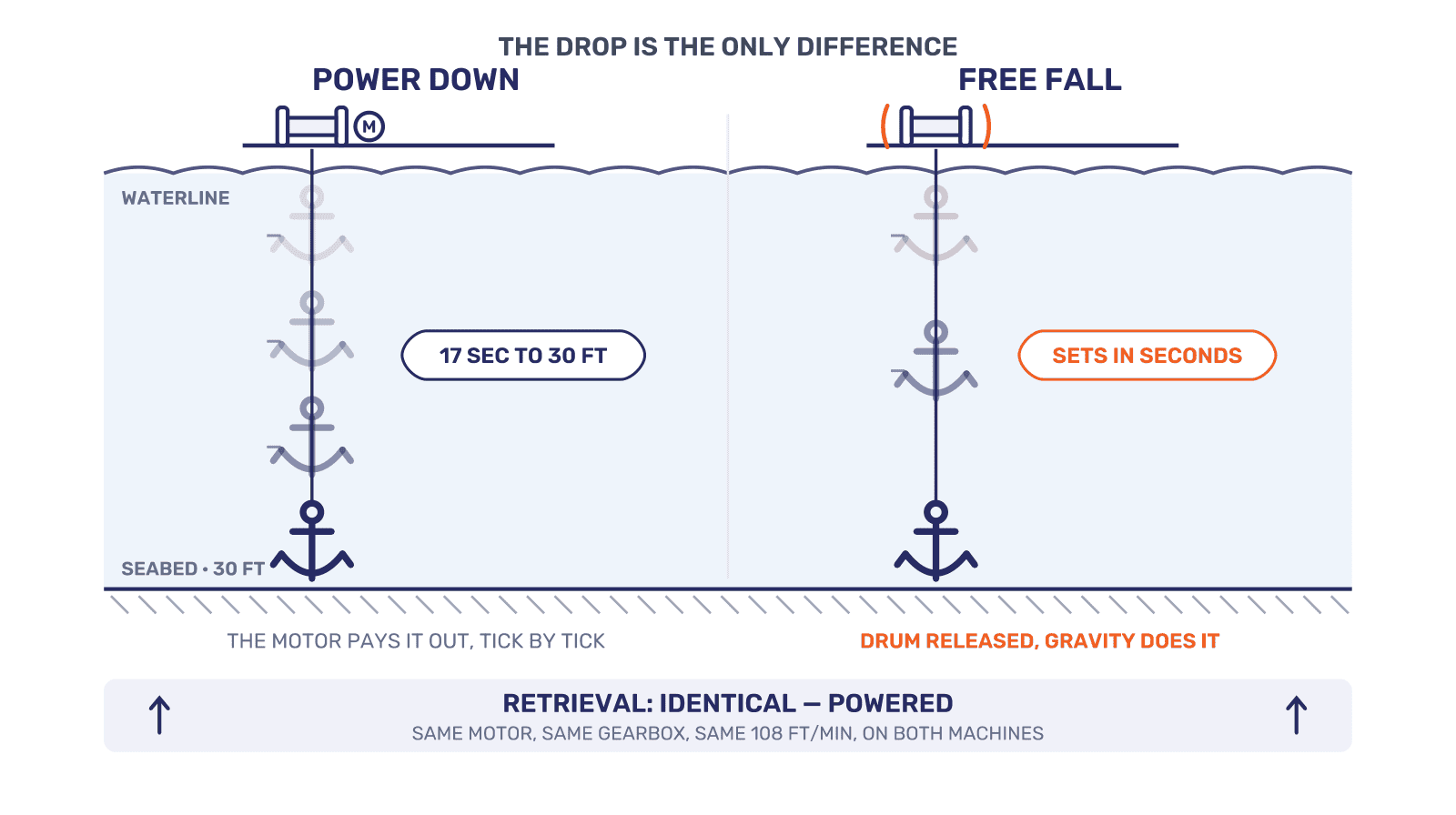
That is the whole mechanical difference. Everything above the clutch is the same machine.
Seventeen seconds matters more than it sounds
Read as a number, 17 seconds is nothing. What matters is what the boat does during them.
You come up on a mark, knock the engine out of gear and hit the down switch. For the next 17 seconds you are drifting with wind and tide while the anchor descends under power. If you are drifting at even one knot, the anchor lands roughly 30 ft from where you pressed the button. On a reef edge, a wreck or a bommie, that is the difference between fishing the mark and fishing next to it.
Free-fall collapses that window. The anchor leaves the boat where the boat is, and you set from there.
If you anchor to stop for lunch, to swim, or to sleep, none of this applies. The boat can drift 30 ft and it changes nothing.
What free-fall does not change
This is where most of the confusion lives. People assume a free-fall model is a bigger or stronger machine. It is not.
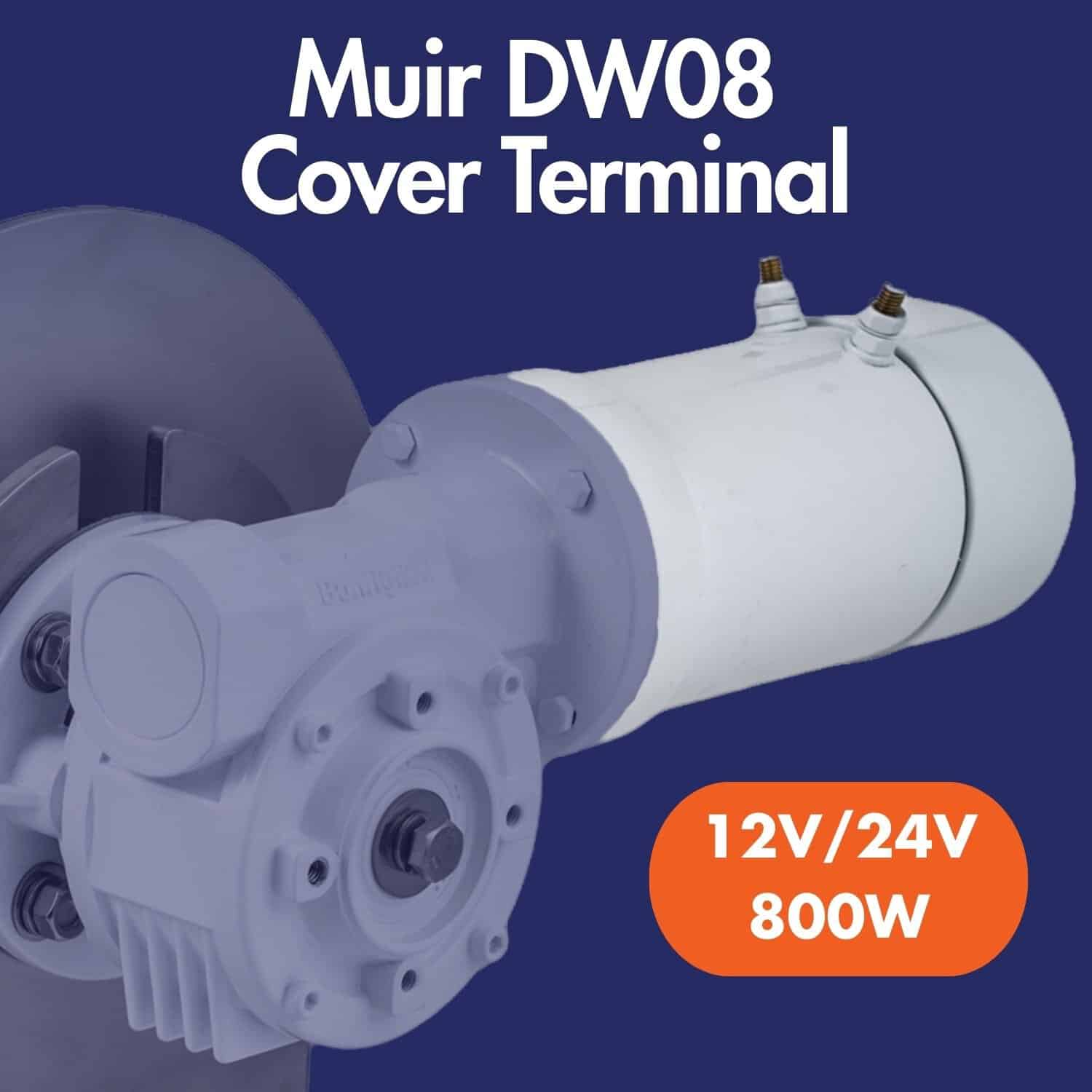
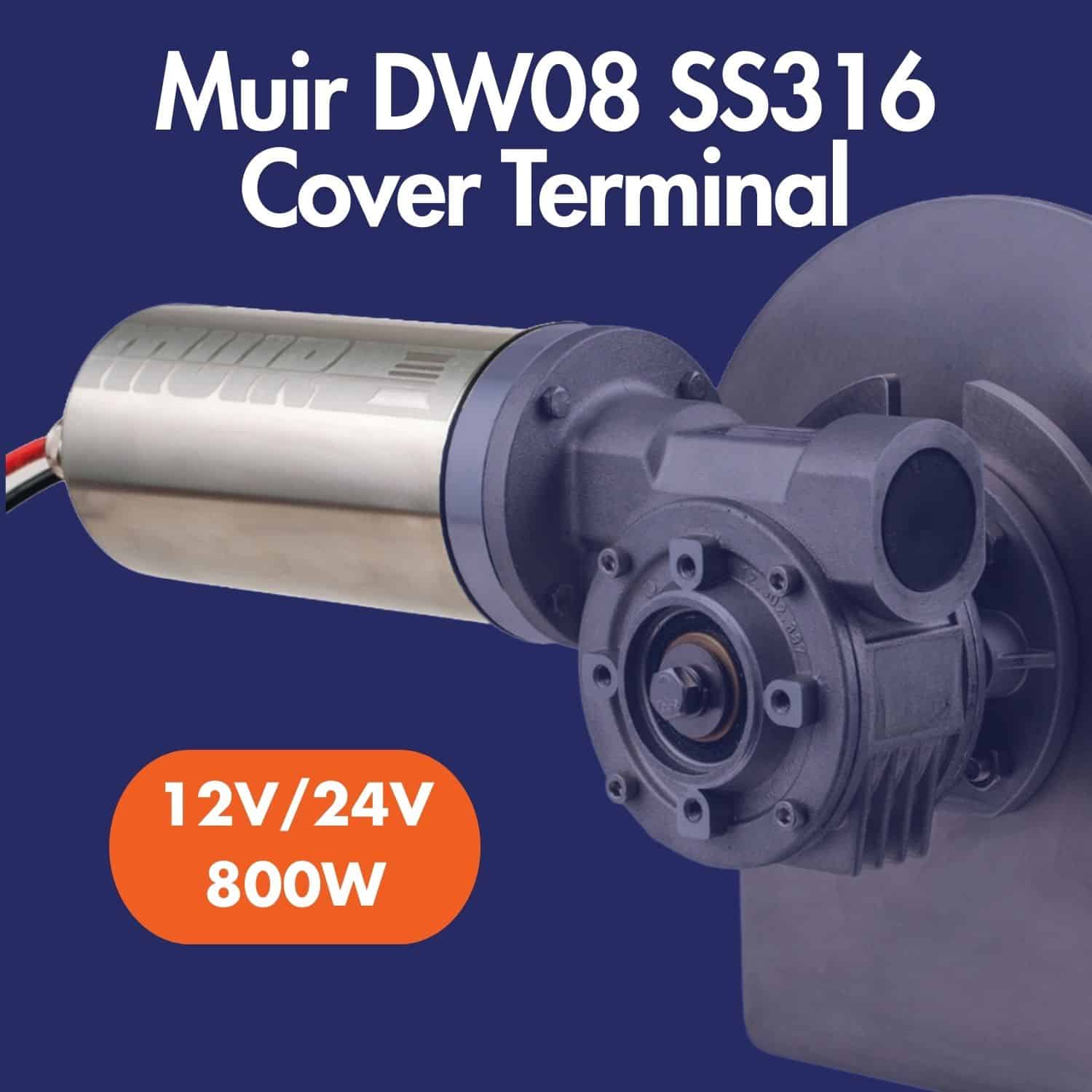
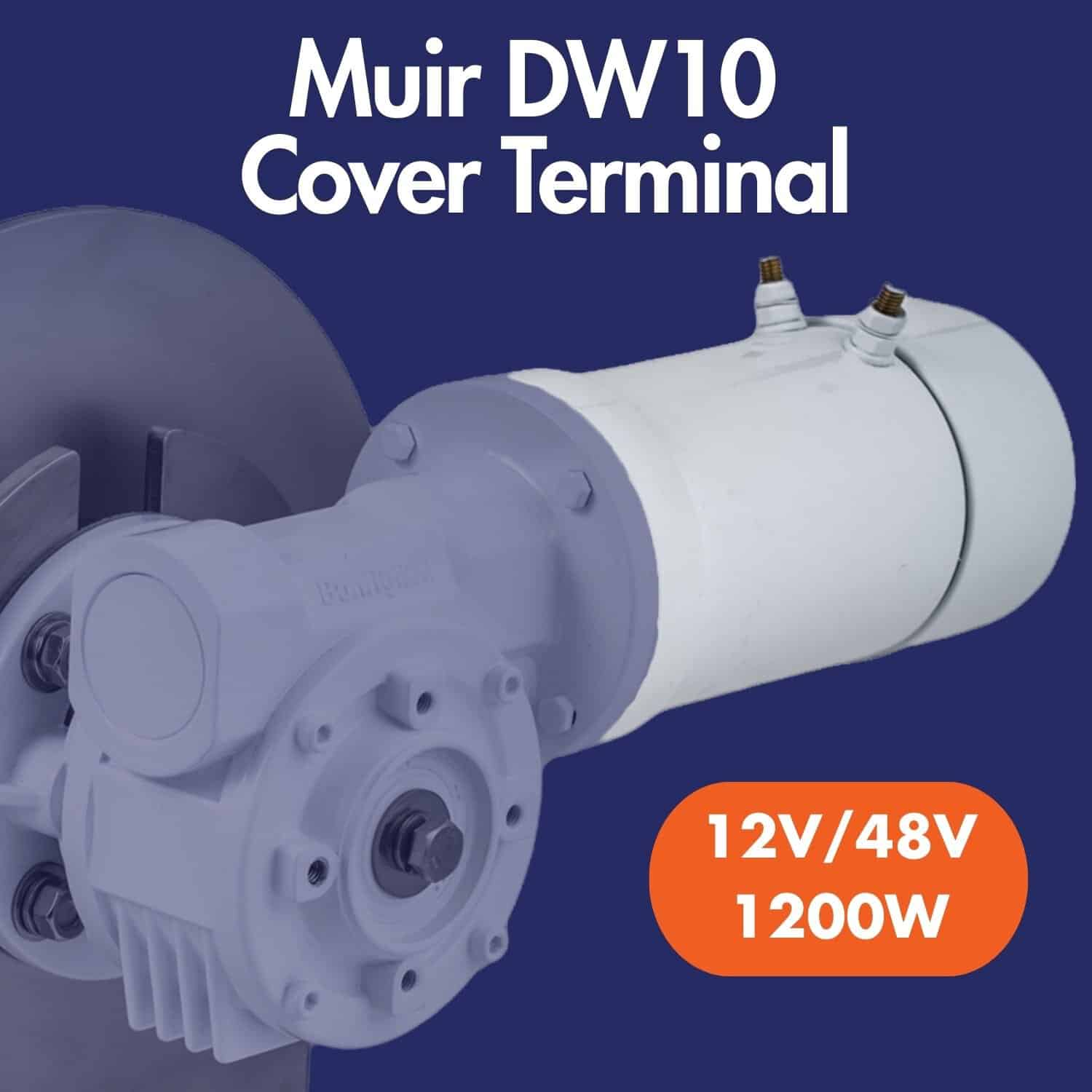
| DW 08 | DFF 08 | DW 10 | DFF 10 | |
|---|---|---|---|---|
| Boat length, up to | 26 ft (8 m) | 26 ft (8 m) | 33 ft (10 m) | 33 ft (10 m) |
| Working load | 132 lb (60 kg) | 132 lb (60 kg) | 192 lb (87 kg) | 192 lb (87 kg) |
| Line speed | 108 ft/min | 108 ft/min | 108 ft/min | 108 ft/min |
| Motor, nominal (peak) | 600 W (800 W) | 600 W (800 W) | 1000 W (1200 W) | 1000 W (1200 W) |
| Voltage | 12 V or 24 V | 12 V or 24 V | 12 V or 24 V | 12 V or 24 V |
| Solenoid | 2-pole | 2-pole | 3-pole | 3-pole |
| Circuit breaker in the kit | 80 A / 80 A | 80 A / 80 A | 100 A / 80 A | 100 A / 80 A |
| Gearbox oil | 75 mL | 75 mL | 120 mL | 120 mL |
From Muir’s master data. The DFF 10 matches the DW 10 in every recorded specification. The DFF 08 matches the DW 08 except for the gearbox ratio in its 24 V build.
So a DFF 08 will not pull harder than a DW 08, will not take a longer boat, and will not recover any faster. If you were hoping the free-fall model would buy you headroom as well, it does not. Size the machine on working load and boat length first, then decide about the drop.
What the drop costs
| Pair | Power-down | Free-fall | Premium |
|---|---|---|---|
| DW 08 → DFF 08 | $1,268.25 | $1,631.44 | $363.19 |
| DW 10 → DFF 10 | $1,800.25 | $2,569.96 | $769.71 |
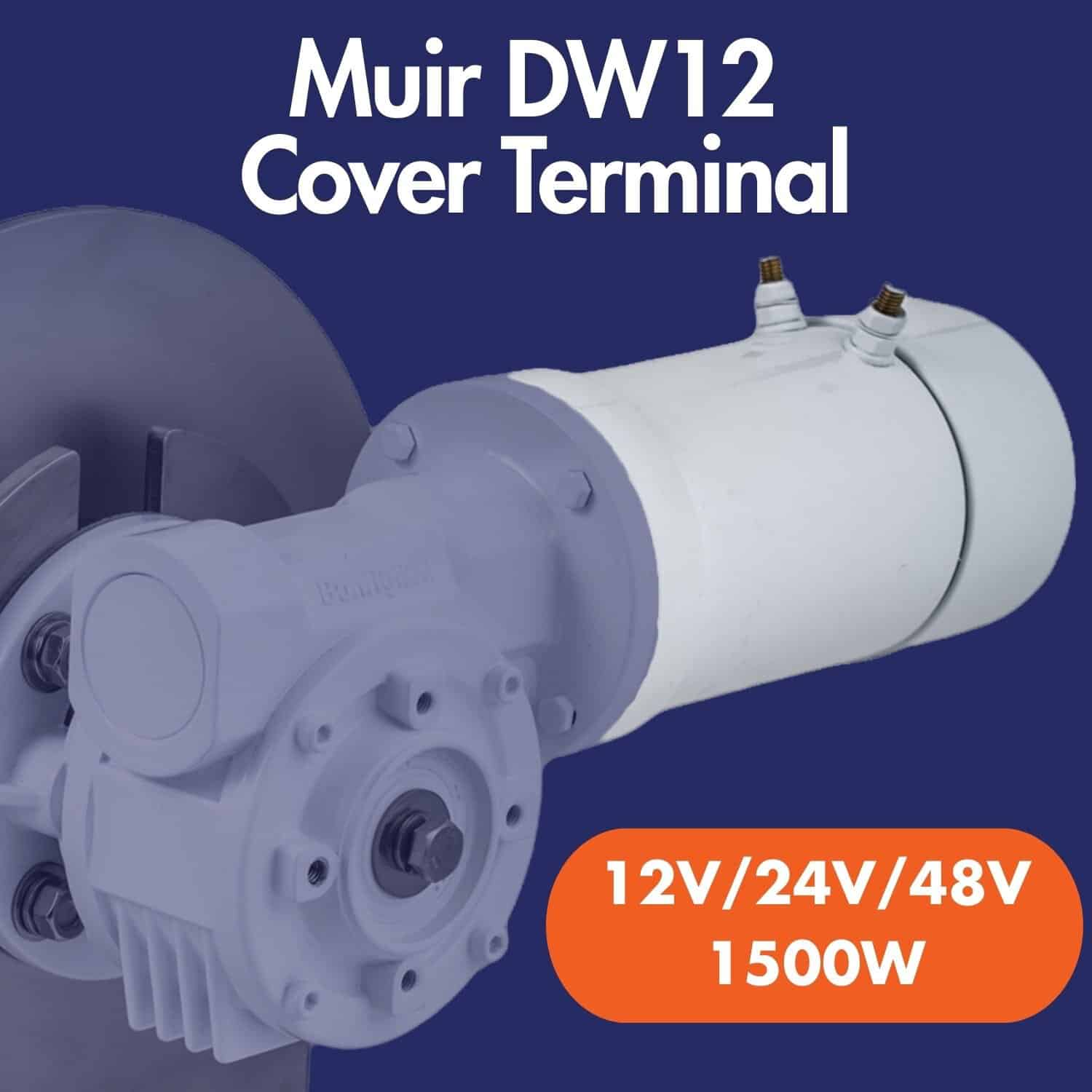
| DW 12 → DFF 12 | $2,778.75 | $2,886.59 | $107.84 |
| DW 15 → DFF 15 | $3,301.25 | $3,678.15 | $376.90 |
| Storm VR600 → VFF600 | $1,587.45 | $2,015.00 | $427.55 |
The premium is not proportional, and the DW 12 is the outlier worth knowing about: free-fall on that model costs $107.84, against $769.71 on the DW 10 below it. If you are choosing between a DFF 10 and a DFF 12 and the boat suits either, the bigger machine is only $316.63 more and it comes with free-fall almost thrown in.
Combo packages carry it too
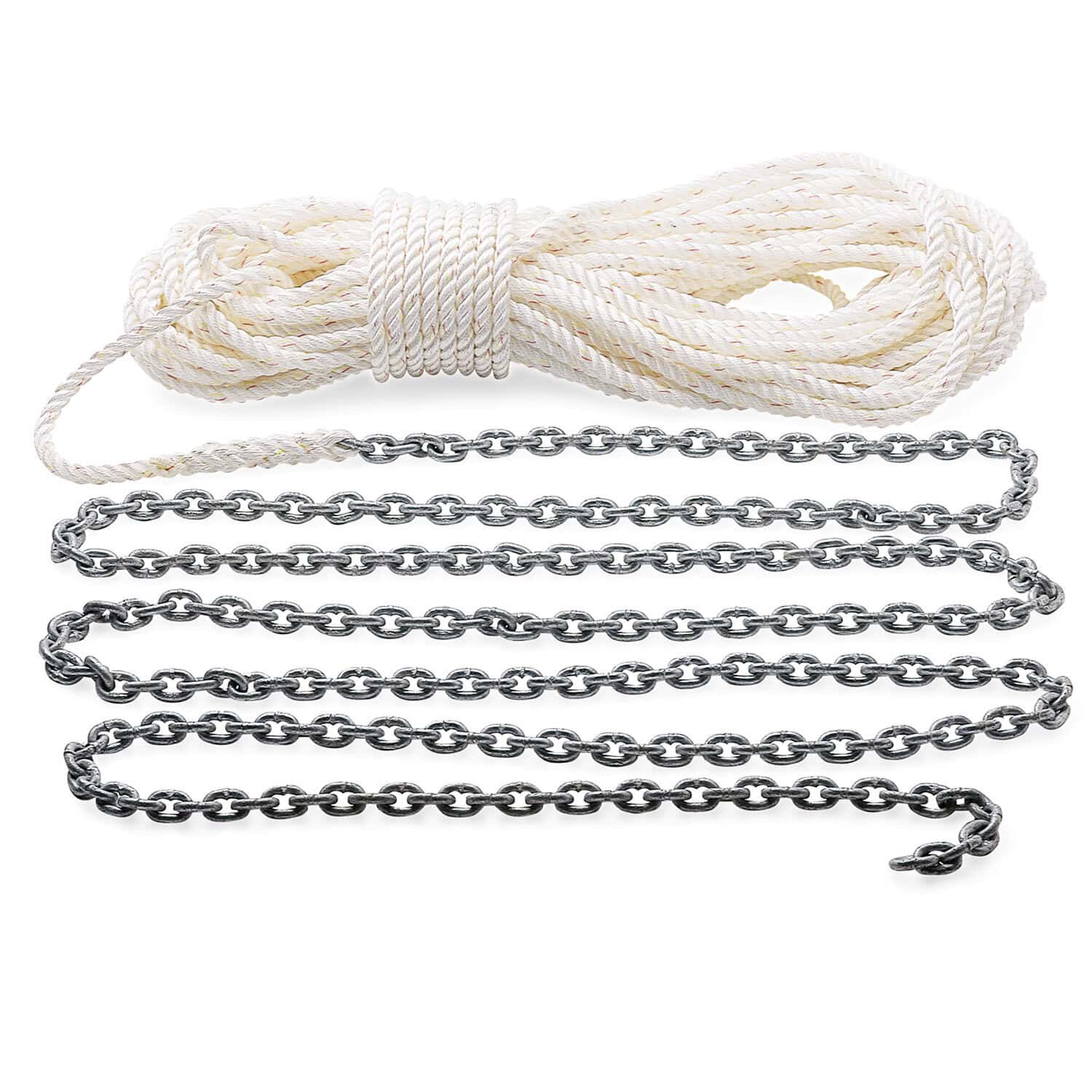
If you want the rode included, the DFF 08 Combo is $1,851.02 against $1,510.50 for the DW 08 Combo, a premium of $340.52. The DFF 10 Combo is $2,943.00 against $2,070.29, a premium of $872.71.
The honest case against free-fall
We sell both, so here is what the free-fall models ask of you.
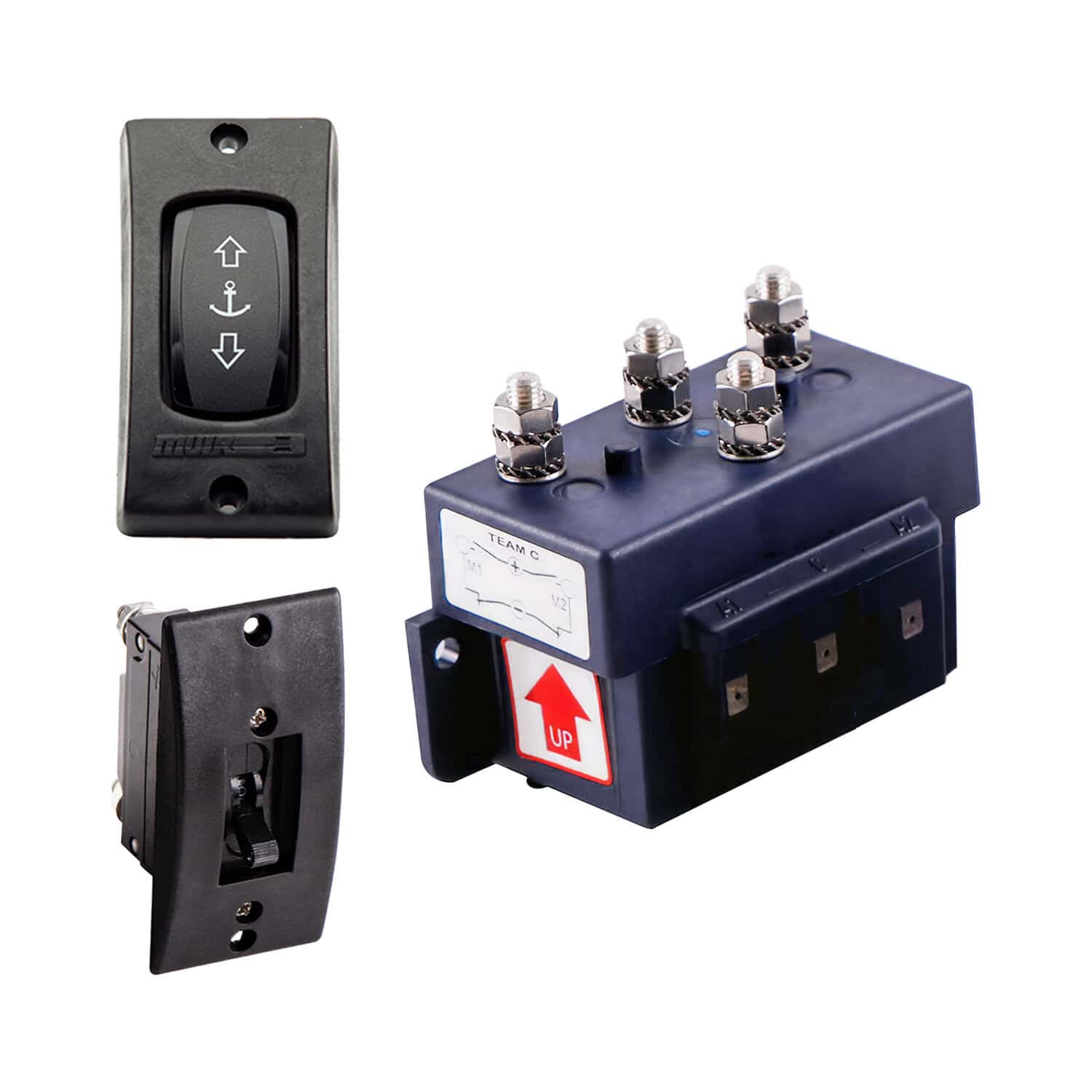
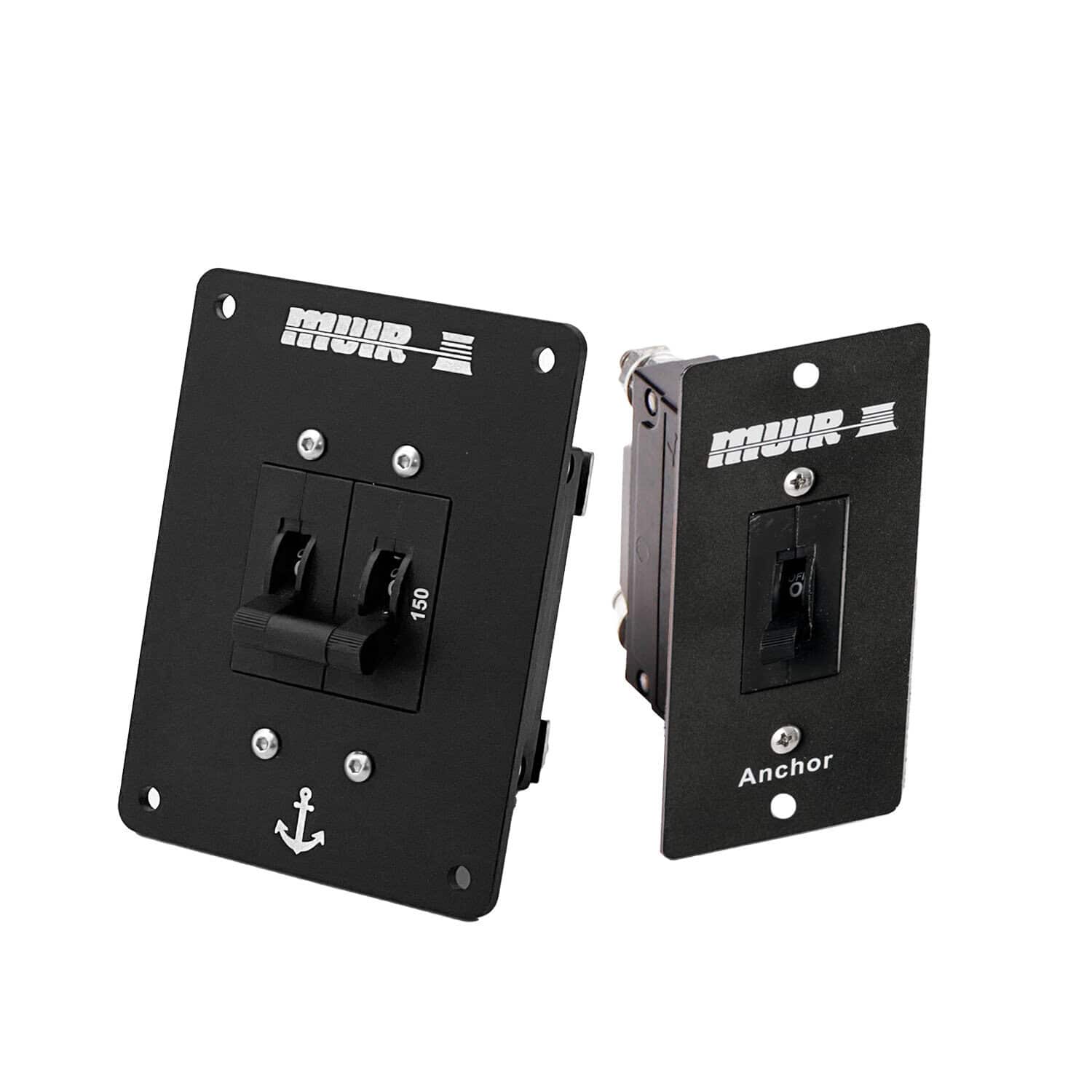
There is a clutch to get right. A power-down winch has one control: up and down. A free-fall winch adds a mechanical release you have to set before the drop and re-engage before you retrieve. It is not difficult, but it is a step, and it is a step done on a pitching foredeck.
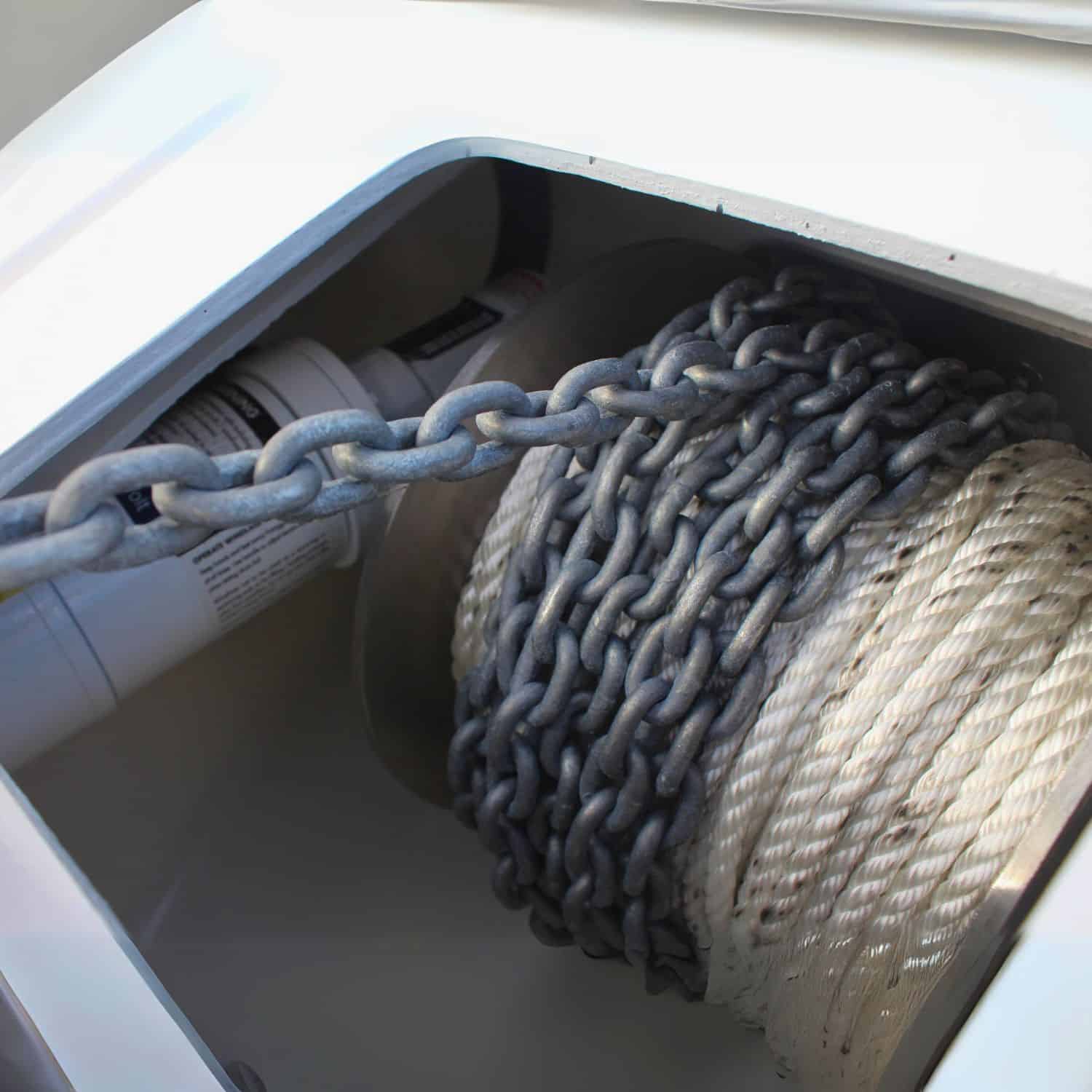
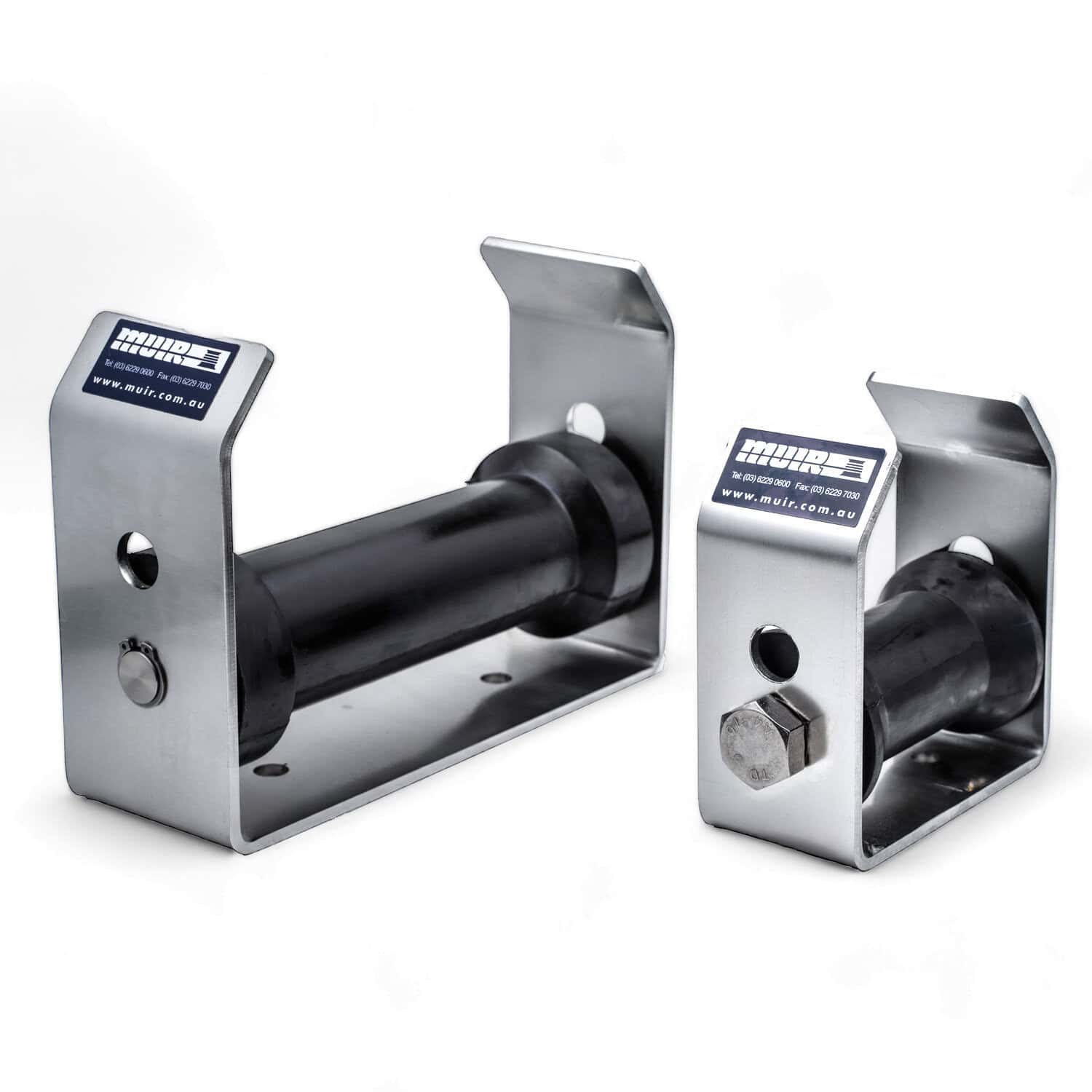
An uncontrolled drop can overrun. The rode leaves the drum faster than the anchor is falling once the anchor slows near the bottom, which is exactly how you get a bird’s nest on the drum. Free-fall wants a hand on the line or a guide roller, in the same way any drum winch does, only more so.
You cannot meter it. Power-down lets you pay out slowly, stop halfway, and feel the anchor touch. Free-fall is committed once released. In tight anchorages, among moorings, or where you want to lower gently onto a known bottom, powered descent is the better tool.
It is money that could go into the machine instead. On the DW 10 the free-fall premium is $769.71. That is most of the way from a DW 10 to a DW 12, which buys you 6 more feet of rated boat length and 37 lb more working load. If your boat is near the top of its band, spend it on size rather than on the drop.
Free-fall on a vertical windlass
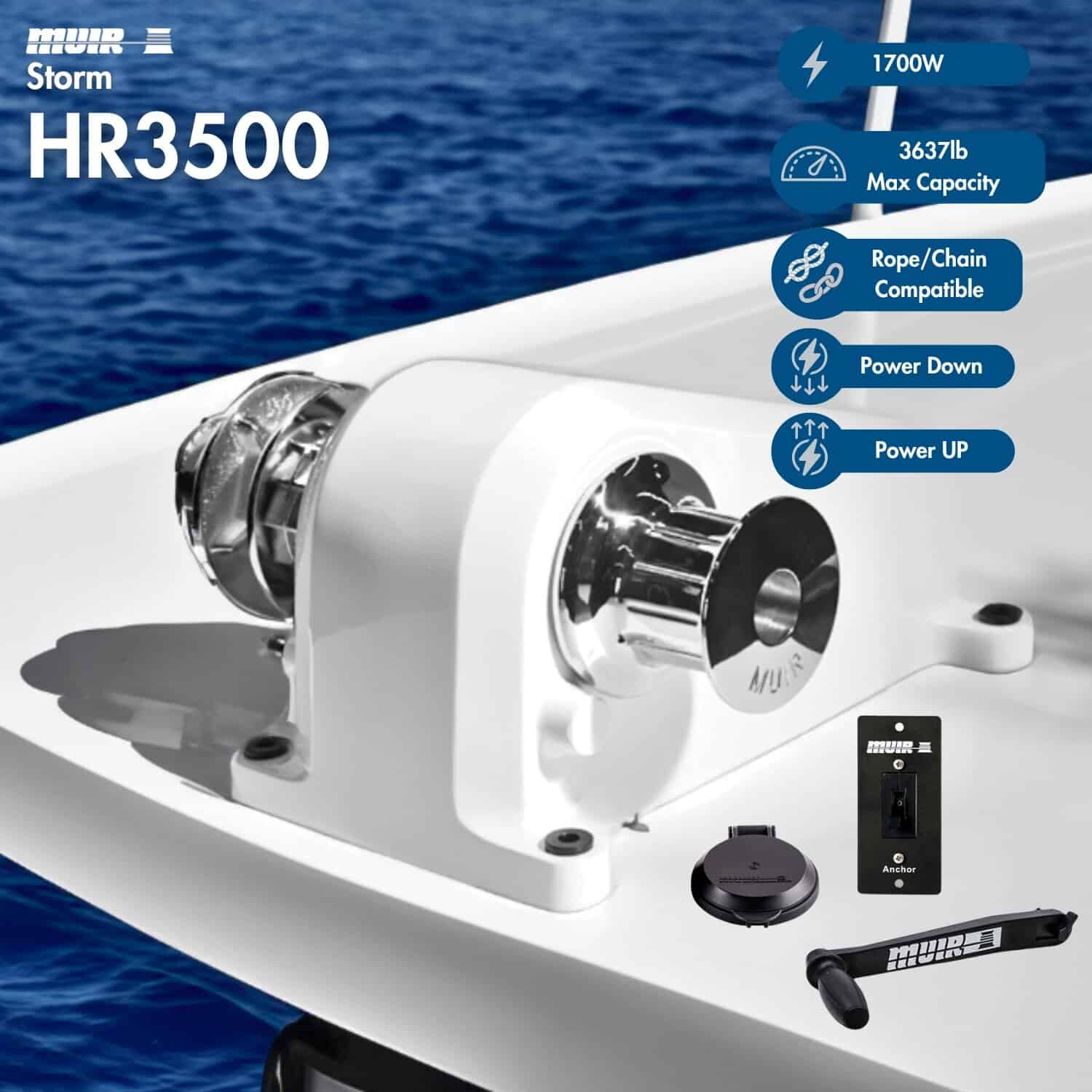
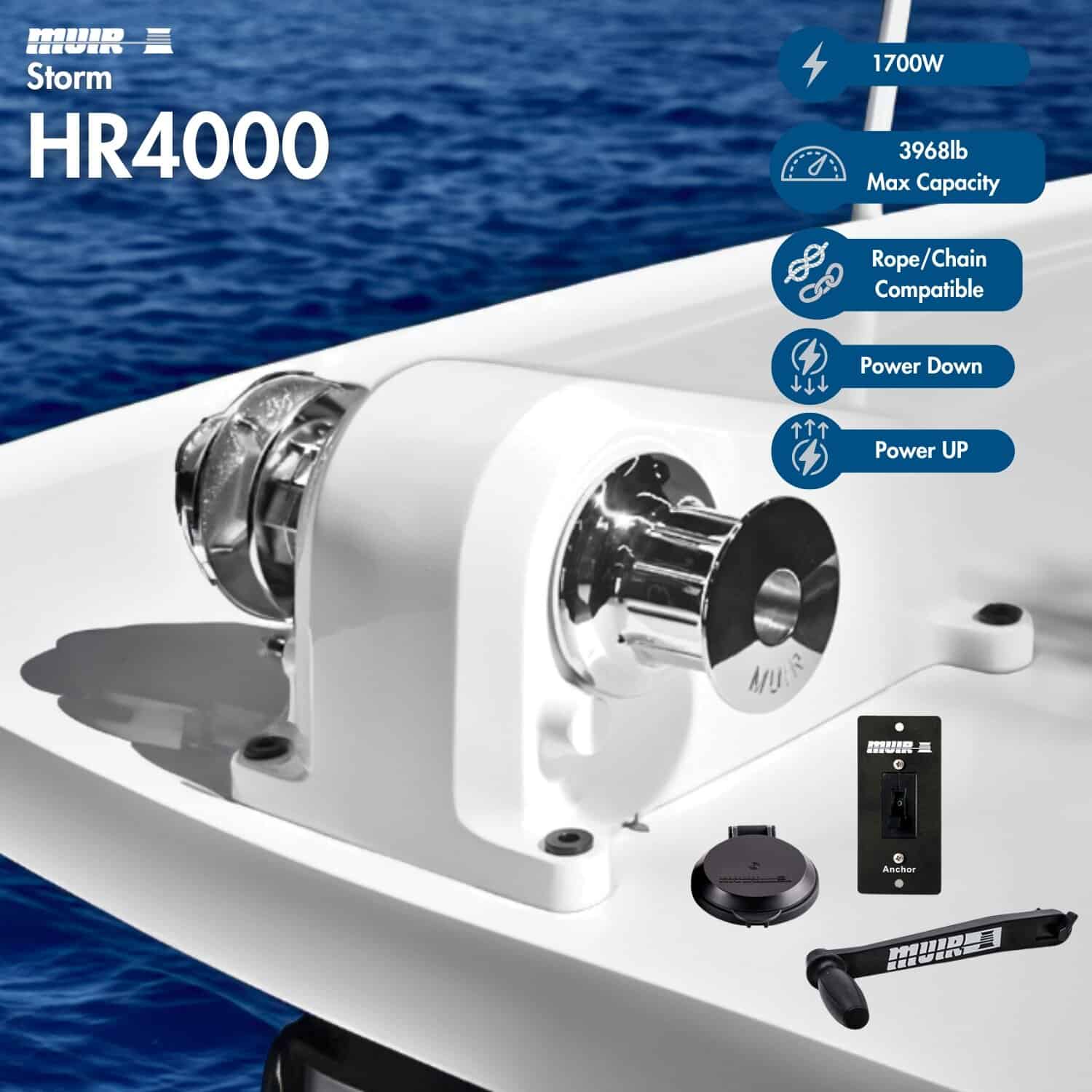
Free-fall is not only a drum thing. The Storm VFF600 is the free-fall version of the Storm VR600, at $2,015.00 against $1,587.45.
The specifications match: 30 ft (9 m) rated length, 271 lb (123 kg) working load, 82 ft/min line speed, 600 W nominal, 12 V or 24 V. Same trade as the drums, on a boat that has an anchor locker.
Worth saying plainly: a vertical windlass drops chain, and chain free-falls willingly. If you have the locker for a vertical and you fish marks, the VFF600 is the neatest version of this whole idea.
How to decide
- Count your drops. Anchoring a dozen times a day on marks is the case free-fall was built for. Anchoring twice a weekend is not.
- Size the machine first. Free-fall adds nothing to pull, speed or rated length. Get those right, then decide.
- Check where you anchor. Open water and known bottom suits free-fall. Crowded moorings and foul ground suit metered, powered descent.
- Compare against the next size up. On the DW 10 the premium nearly buys a DW 12. On the DW 12 it costs almost nothing. The answer changes by model.
Frequently asked questions
What is the difference between a DW and a DFF winch?
The DFF adds mechanical free-fall: you release the drum and the anchor drops under gravity instead of being driven down by the motor. Working load, line speed, motor, breaker and rated boat length are identical between each pair.
Is free-fall faster to retrieve?
No. Retrieval is powered and identical on both, at the same line speed through the same gearbox. Free-fall only affects the way down.
How long does a powered anchor drop take?
About 17 seconds to reach 30 ft on a Muir drum winch, which runs at 108 ft/min. Deeper water scales from there: about 33 seconds to 60 ft.
Is free-fall worth the money?
It depends how you anchor. If you drop on marks and the boat is drifting while the anchor descends, free-fall puts the anchor where you wanted it, and that is worth $363.19 on a DFF 08. If you anchor once and stay put, it buys you nothing.
Can free-fall damage the winch or tangle the rode?
An uncontrolled drop can overrun and heap rode on the drum, especially as the anchor slows near the bottom. Keep a light hand on the line, or fit a guide roller. This is the same discipline every drum winch needs, applied a little harder.
Which Muir models offer free-fall?
The DFF 08, DFF 10, DFF 12 and DFF 15 in the drum range, and the Storm VFF600 as a vertical windlass. Each is the free-fall twin of the equivalent powered model.
Why is free-fall so much cheaper on the DW 12?
The premium is $107.84 on that model against $769.71 on the DW 10. If your boat suits either machine, the DFF 12 is worth pricing before you settle on a DFF 10.
Do I still need a chain stopper with free-fall?
Yes. Once the anchor is set, the load belongs on a chain stopper or a snubber rather than on the winch, whichever way the anchor got down there.
Tell us how you anchor, how often, and in what depth. We will tell you whether the free-fall premium earns its money on your boat or whether it is better spent on a bigger machine.
Related guides
Stay Updated
Get the latest guides, tips, and product updates delivered to your inbox.